
Blog
Stories of saints, biblical events, angels, and sacred places.
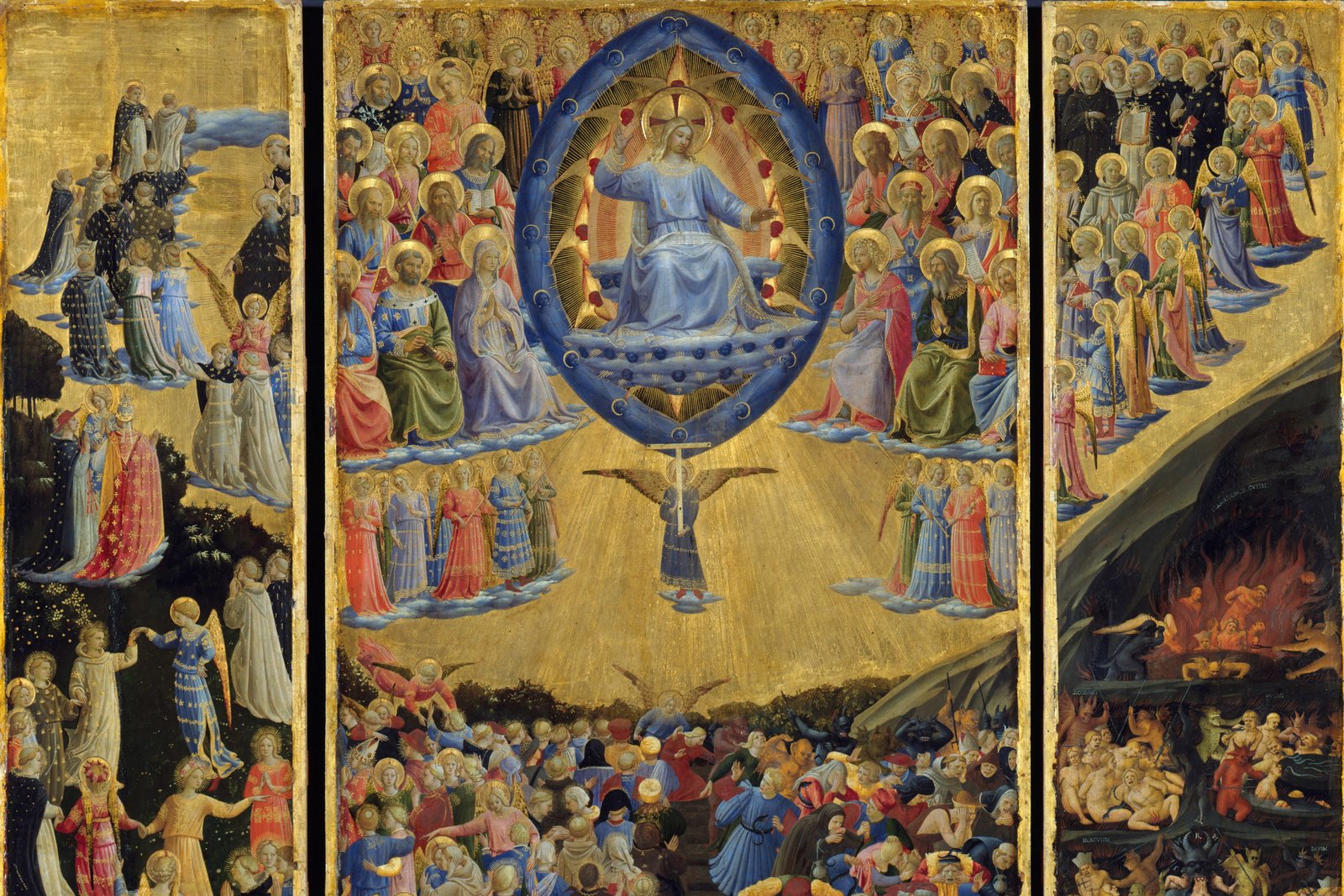
Fra Angelico as a Painter
Fra Angelico painted with a Dominican friar's discipline and a technical daring few contemporaries matched — here's what made his brushwork and workshop distinct.
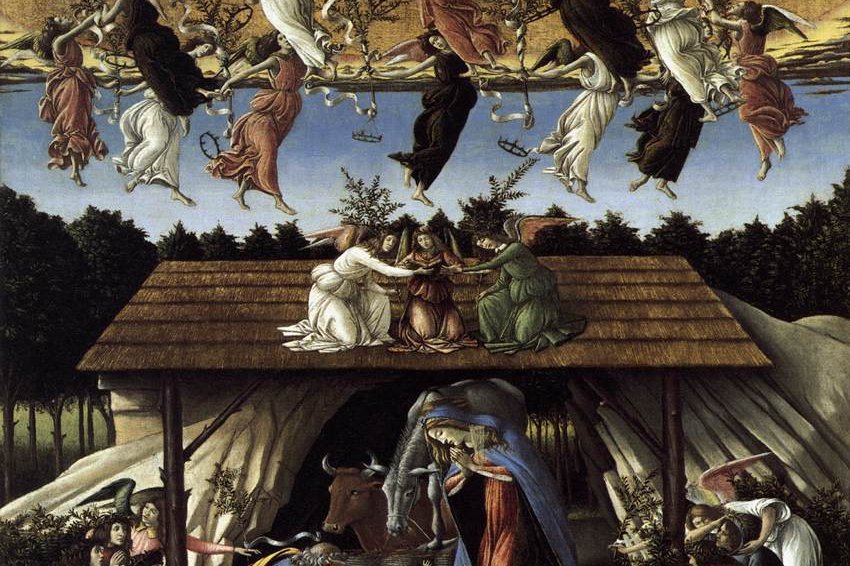
Botticelli's Mystic Nativity
The meaning behind Botticelli's Mystic Nativity painting in London, its cryptic Greek inscription, apocalyptic symbolism, and link to Savonarola's Florence.
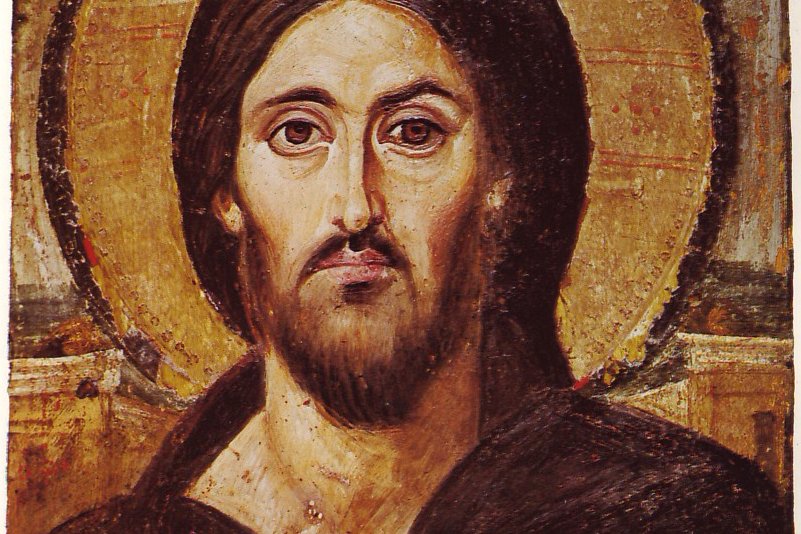
The Rules of Byzantine Icon Painting
Byzantine icons never use ordinary perspective — lines widen toward the viewer, gold replaces sky, and every proportion follows a canon meant to open onto heaven.
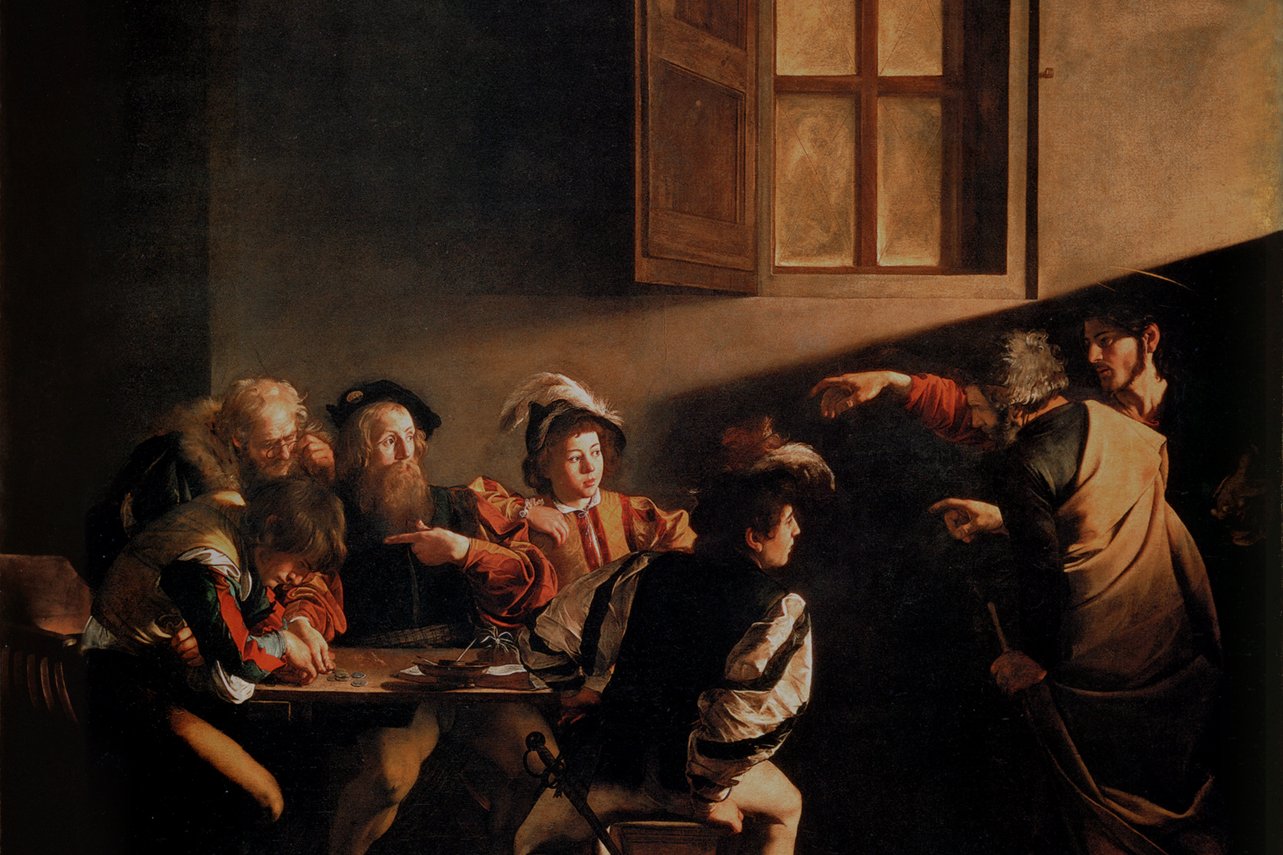
Caravaggio's The Calling of Saint Matthew
How Caravaggio's Calling of Saint Matthew in Rome's Contarelli Chapel used dramatic light, ordinary dress, and a pointing hand to reinvent sacred art.
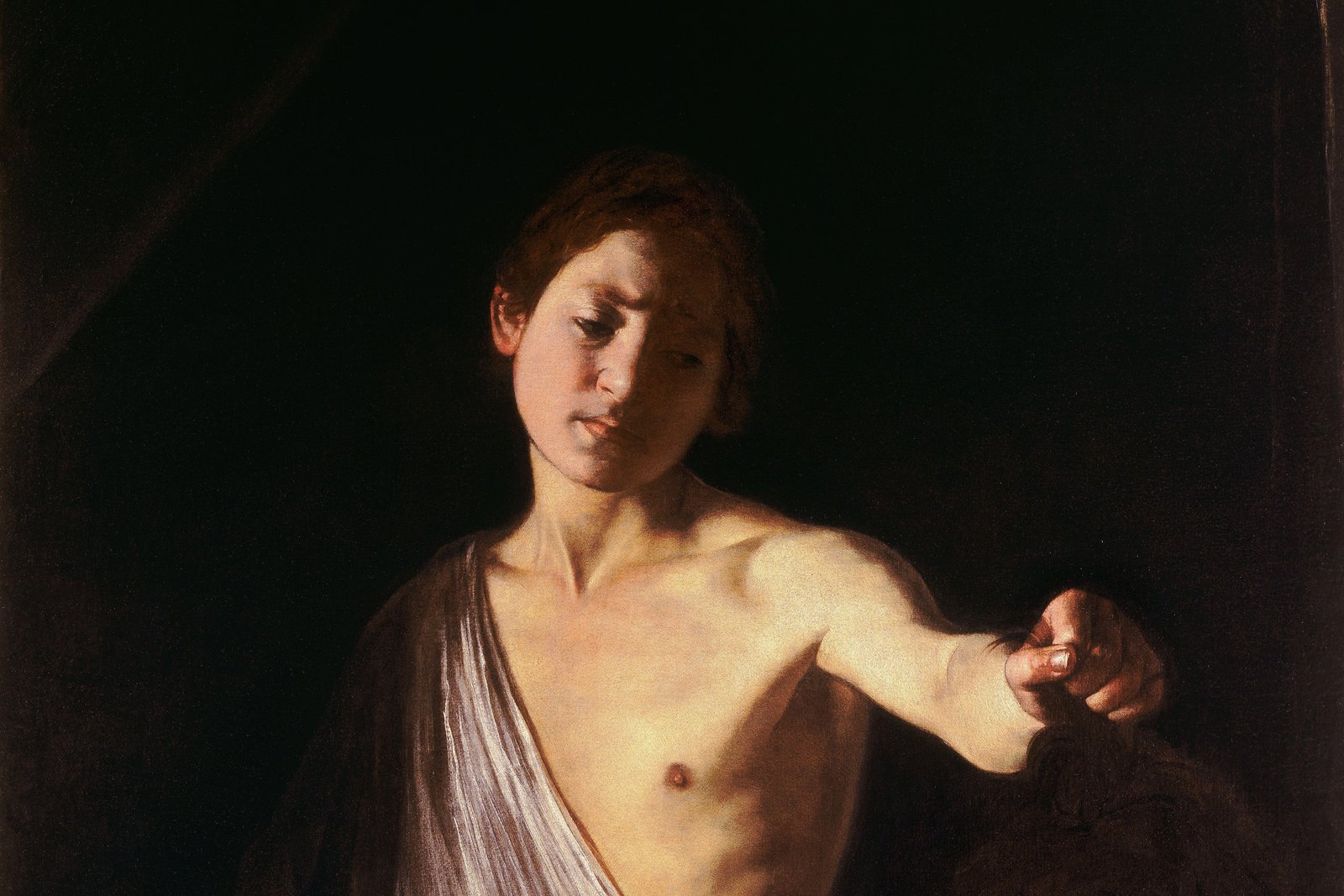
Caravaggio's Scandalous Life and Sacred Paintings
Caravaggio killed a man in a street fight, fled Rome as a fugitive, and kept painting altarpieces the whole time — his turbulent life shaped his religious art.
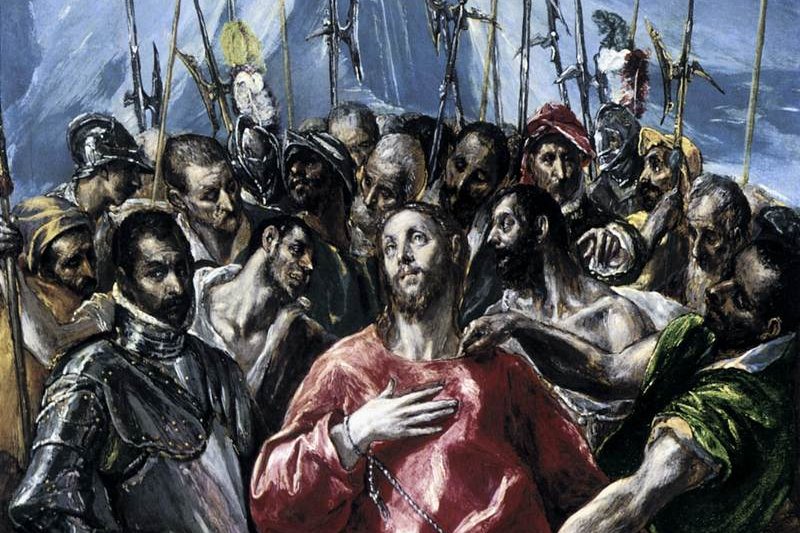
El Greco's The Disrobing of Christ
The history of El Greco's El Expolio altarpiece in Toledo Cathedral, the lawsuit over payment it sparked, its crowded composition, and Mannerist style.
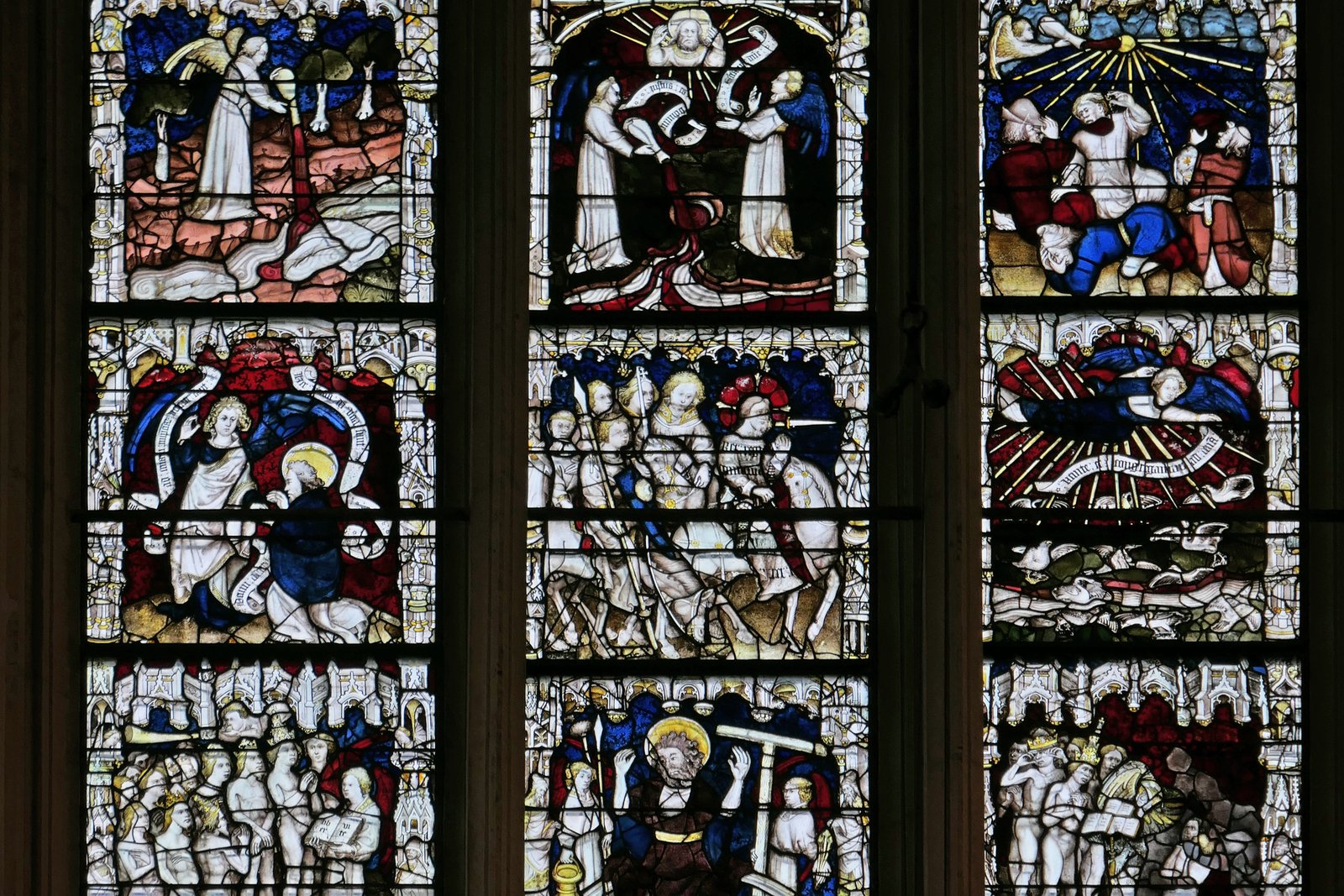
How Gothic Stained Glass Told Bible Stories
Medieval cathedrals used stained glass as picture-books for a congregation that couldn't read Latin, teaching Bible stories through sequenced, colored panels.
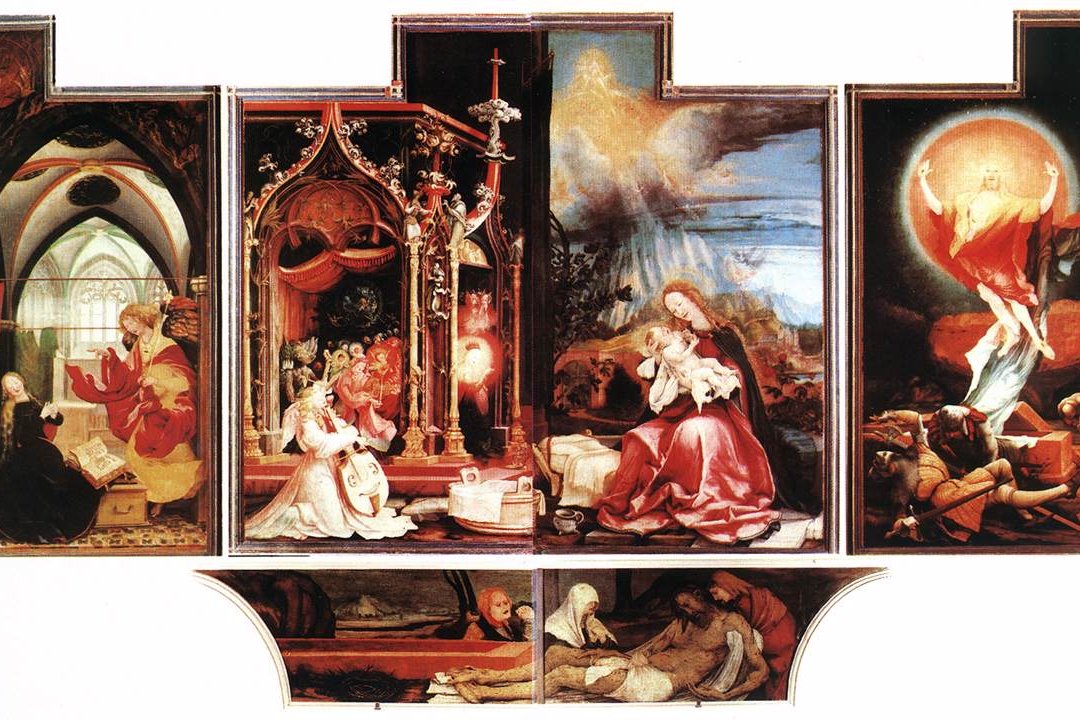
Grünewald's Isenheim Altarpiece
How Matthias Grünewald's Isenheim Altarpiece in Colmar, painted for a hospital treating plague and skin disease, used a brutal Crucifixion to console the sick.
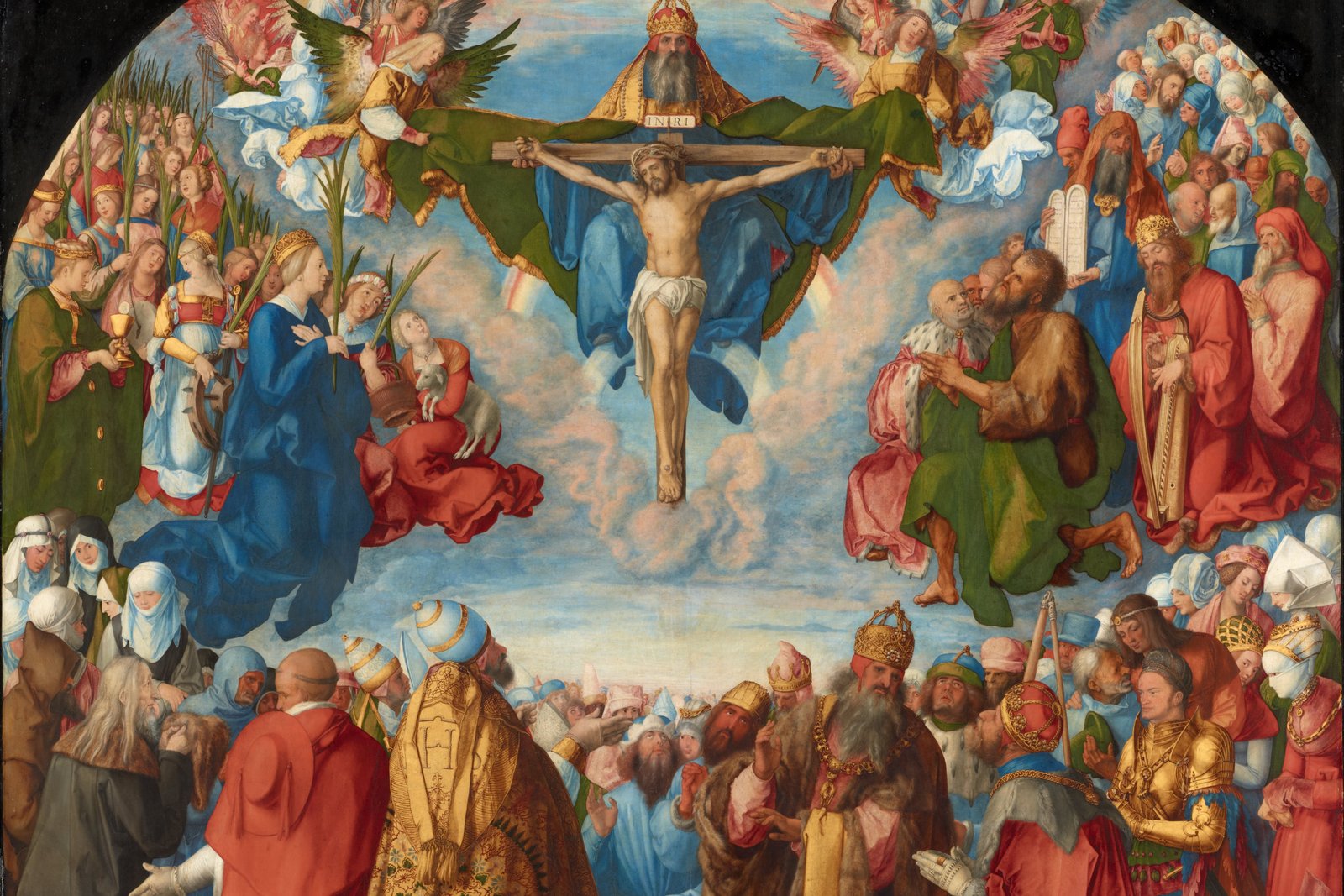
How to Identify Saints in Art
How to recognize saints in paintings by their attributes — the keys, swords, wheels, and arrows artists used for centuries as visual name tags for each one.
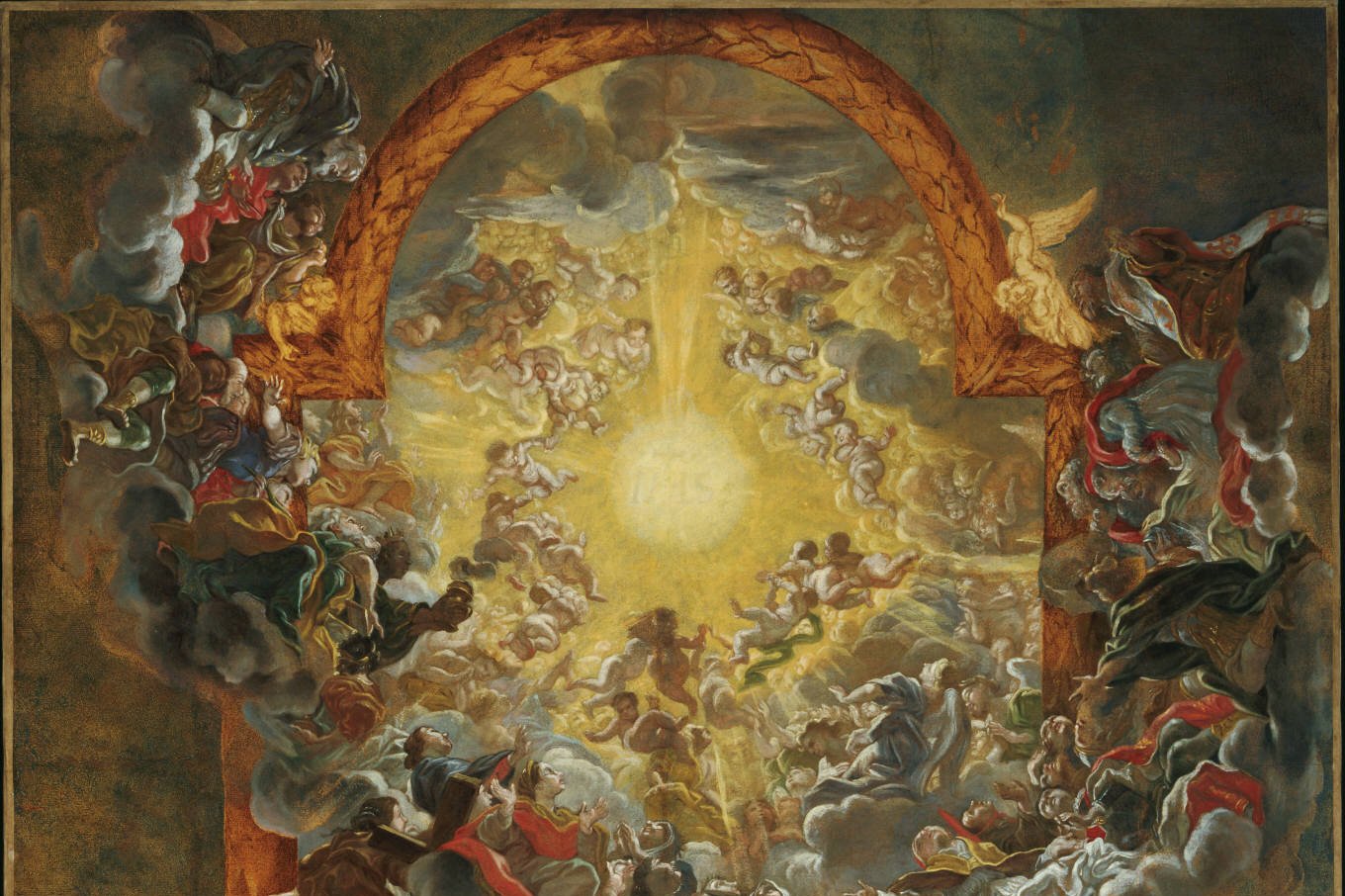
IHS and Christ Monograms Explained
What the IHS monogram, the Chi-Rho symbol, and the letters Alpha and Omega actually stand for, and why each became a lasting symbol for Christ in art.
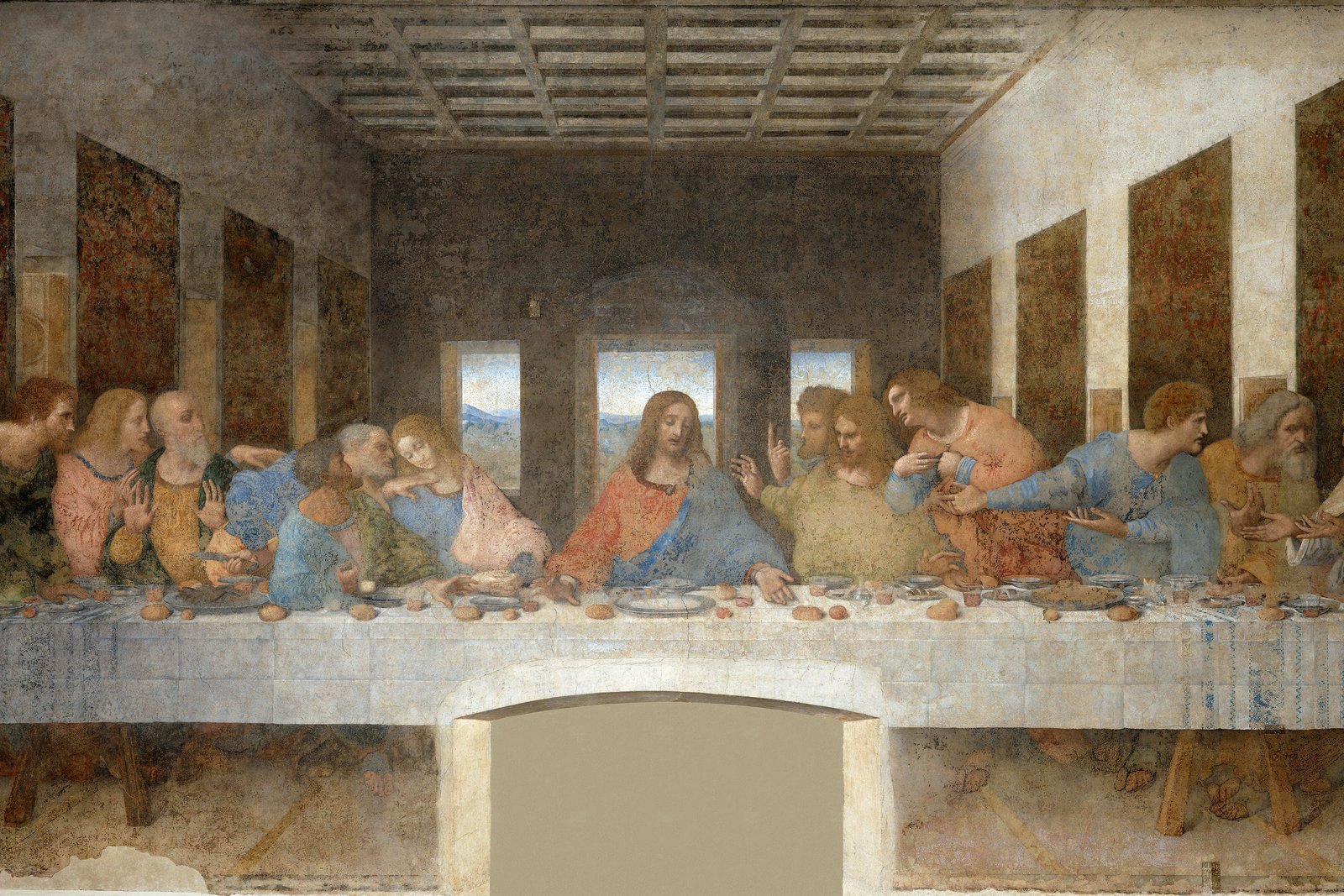
Leonardo da Vinci's The Last Supper
How Leonardo painted The Last Supper in Milan, why his experimental technique caused it to decay almost immediately, and what centuries of restoration revealed.
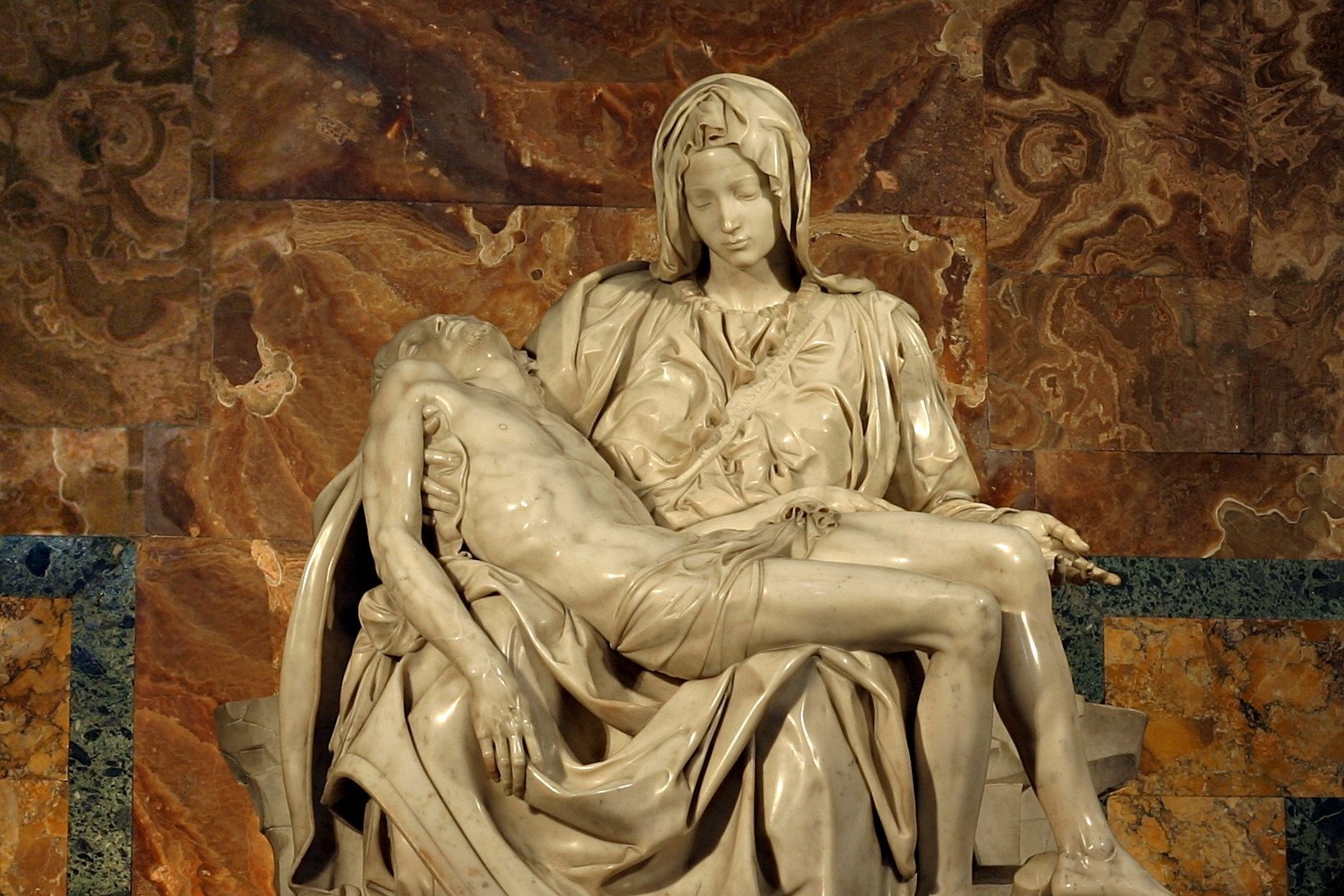
Michelangelo's Faith and Religious Work
Michelangelo carved and painted some of Christianity's most enduring images, and late in life wrote poems confessing that art itself had nearly cost him his soul.
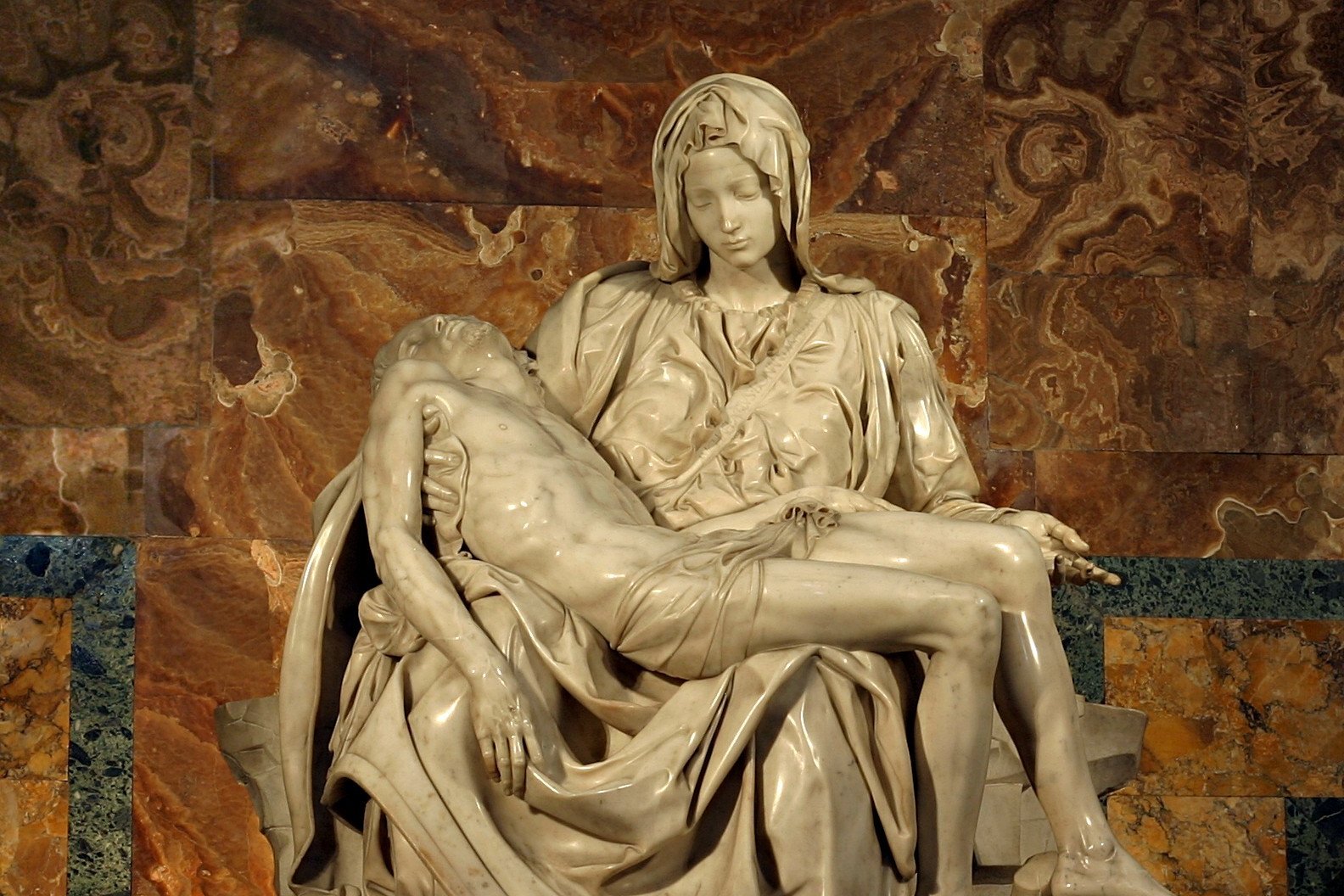
Michelangelo's Pietà
The history, composition, and meaning of Michelangelo's Pietà sculpture in St. Peter's Basilica, Vatican City — carved in 1499 by an artist barely 24 years old.
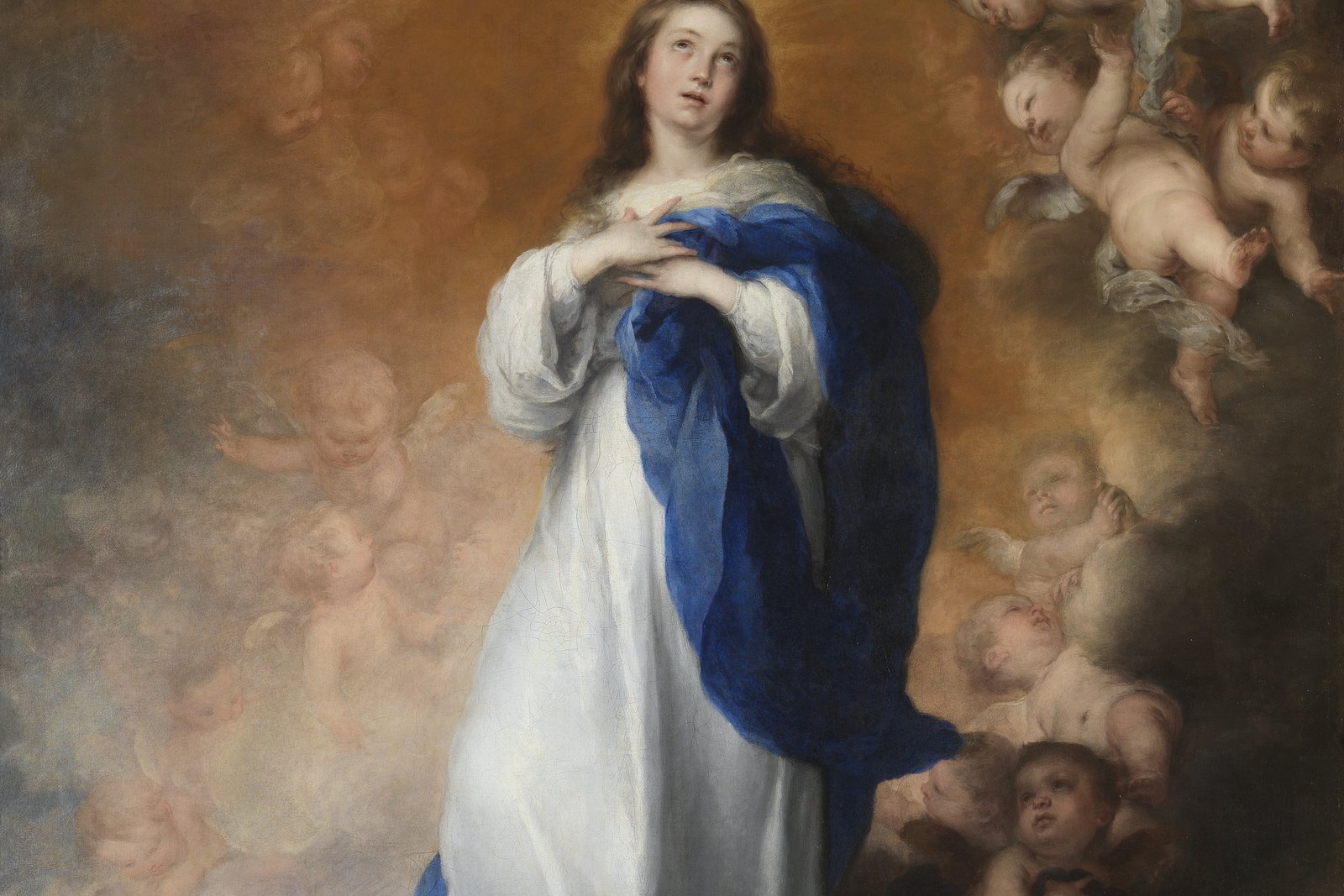
Murillo's Immaculate Conception
How Murillo defined the visual image of the Immaculate Conception in Baroque Seville, and the story behind his most famous version, the Soult Immaculate.
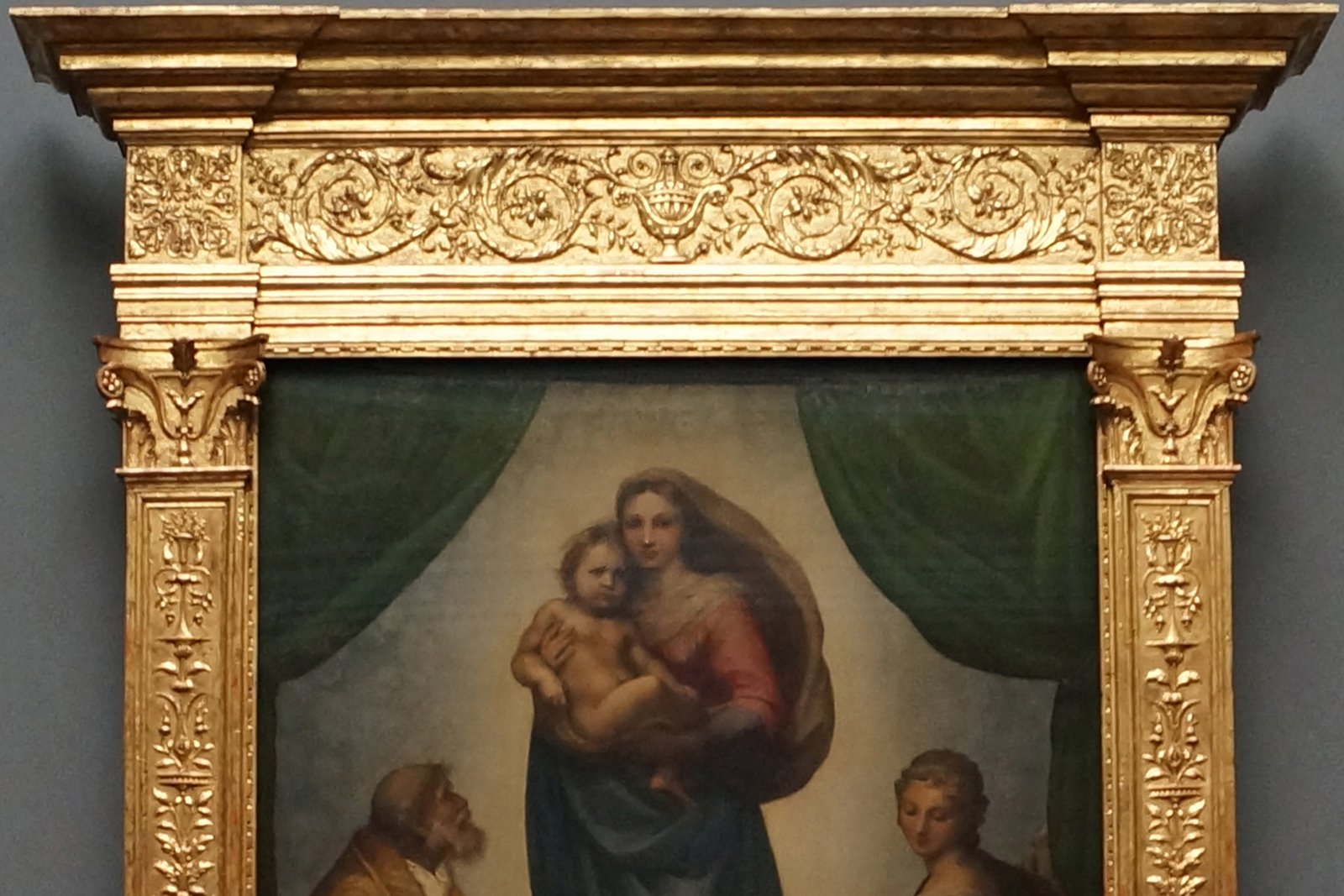
Raphael's Sistine Madonna
The story behind Raphael's Sistine Madonna in Dresden, the altarpiece's original monastery purpose, its famous winged cherubs, and why they became so iconic.
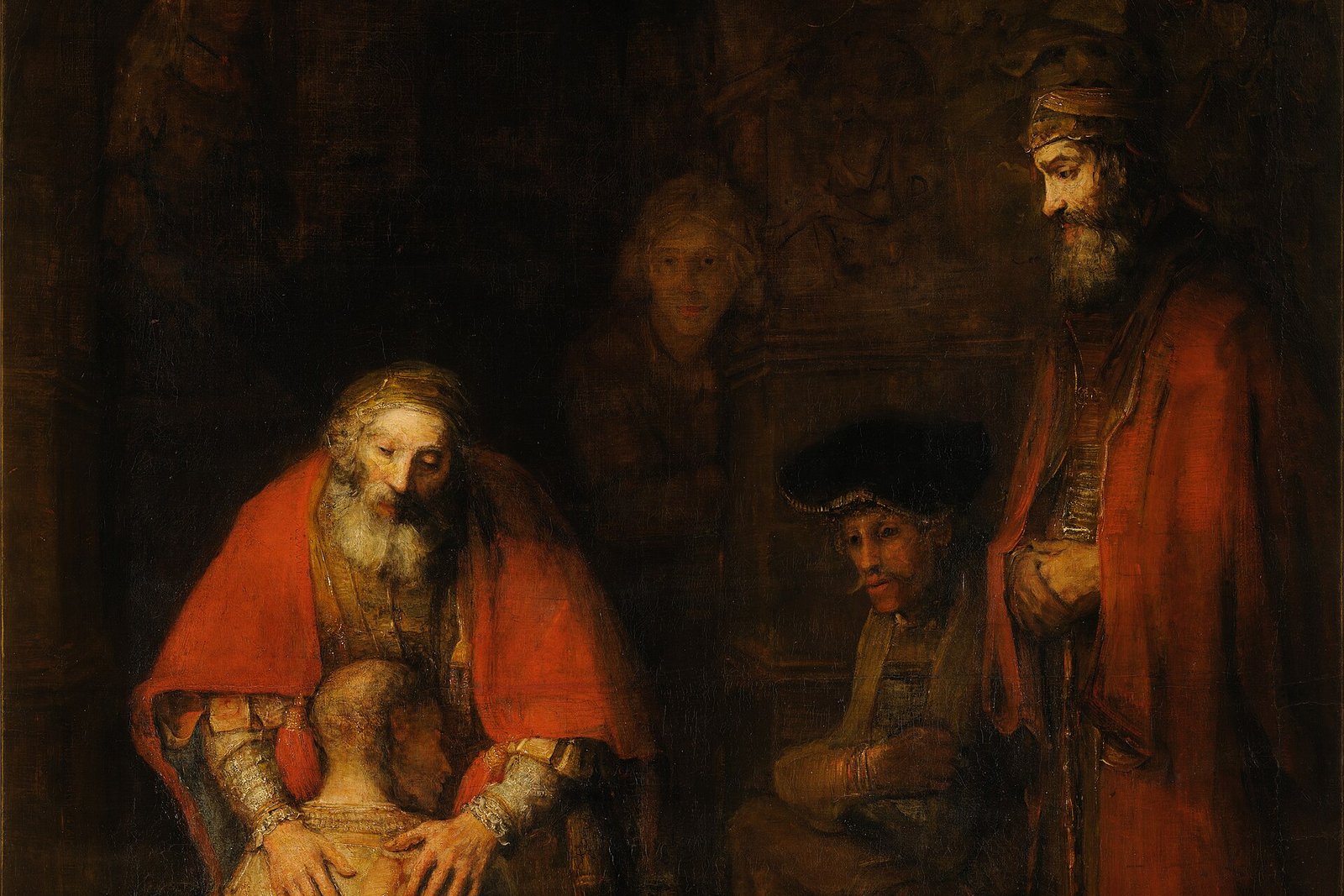
Rembrandt's The Return of the Prodigal Son
The history and meaning of Rembrandt's late masterpiece The Return of the Prodigal Son at the Hermitage, painted near the end of his own hard life story.
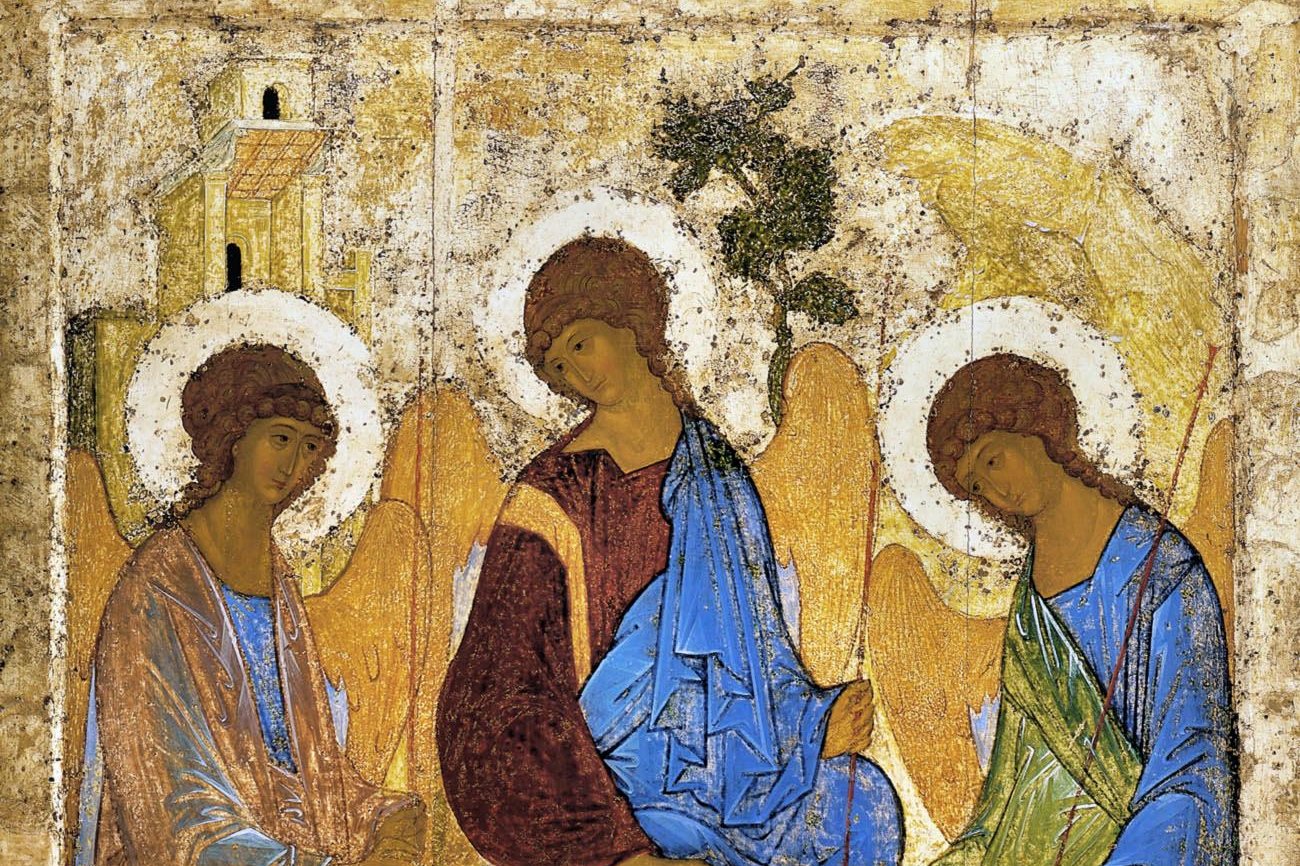
The Russian Icon Painting Tradition
Andrei Rublev painted three angels sharing a meal and made it the most celebrated icon in Russian history — a study in restraint that still shapes Orthodox art.
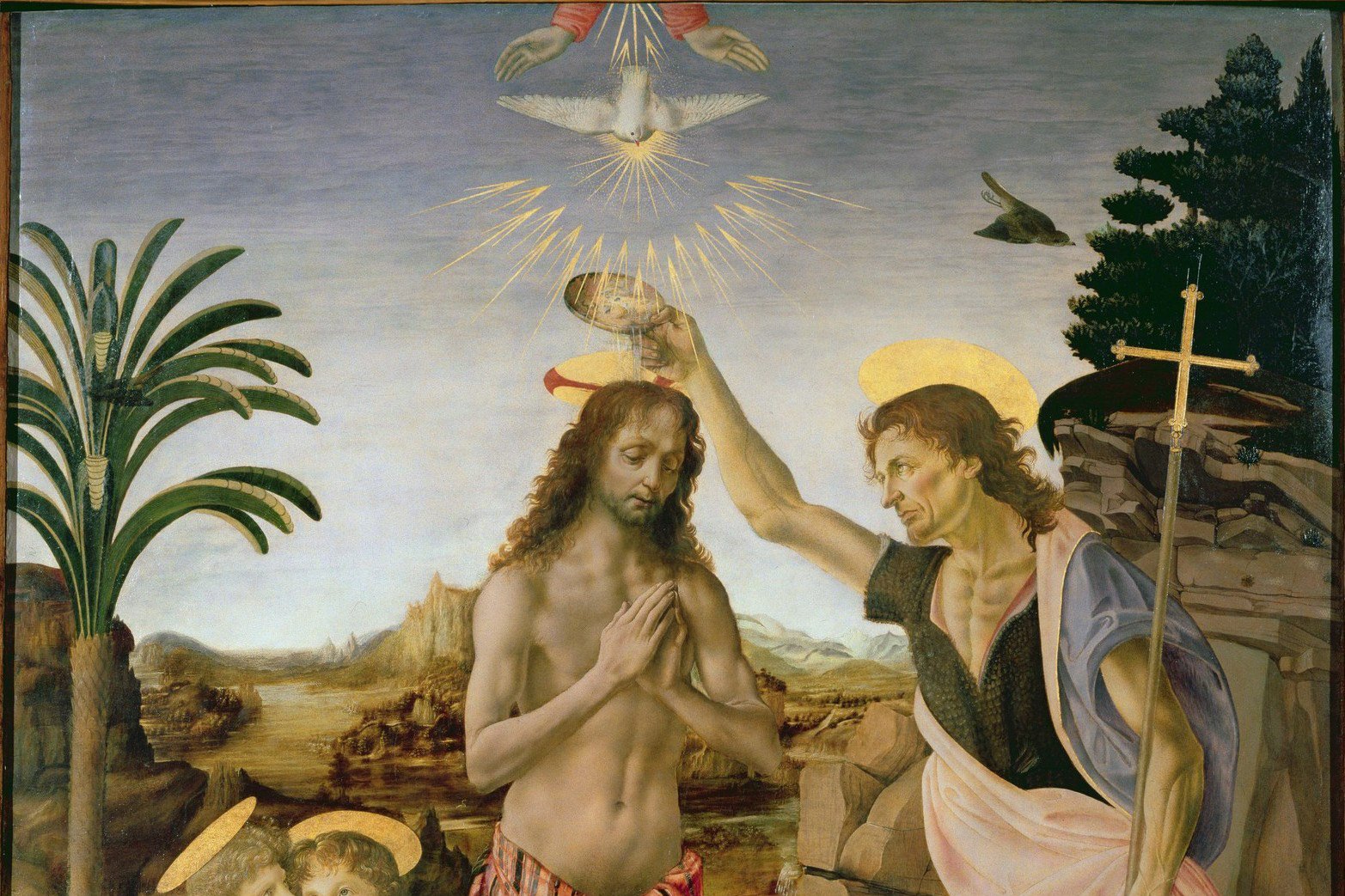
The Dove as a Symbol of the Holy Spirit
Why the Holy Spirit is shown as a dove in Christian art, tracing the image from Noah's ark through Christ's baptism to Pentecost and church architecture.
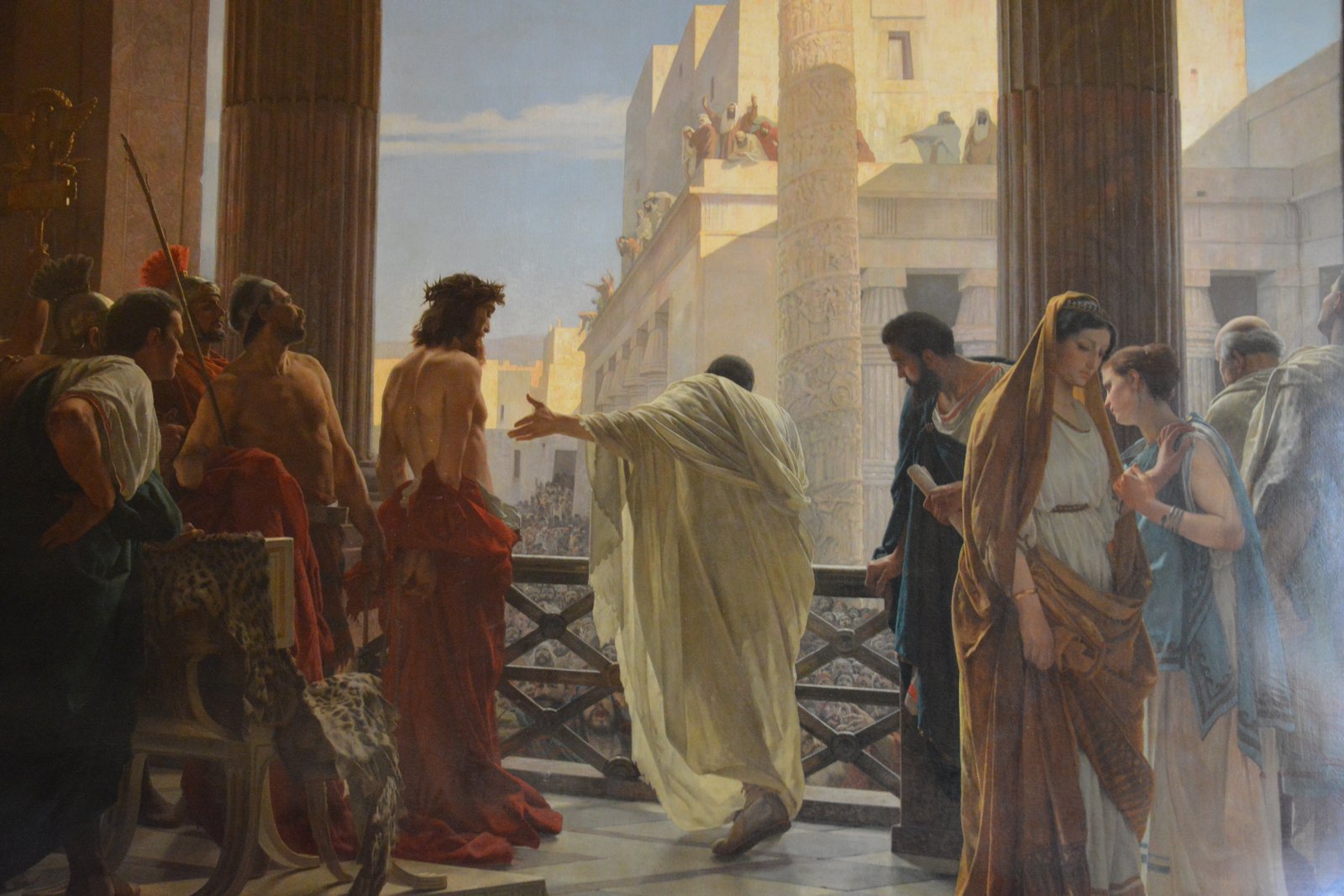
The Ecce Homo Motif in Art
"Behold the man" — Pilate's words to a hostile crowd became one of art history's most painted moments, reimagined across centuries from Bosch to Ciseri.
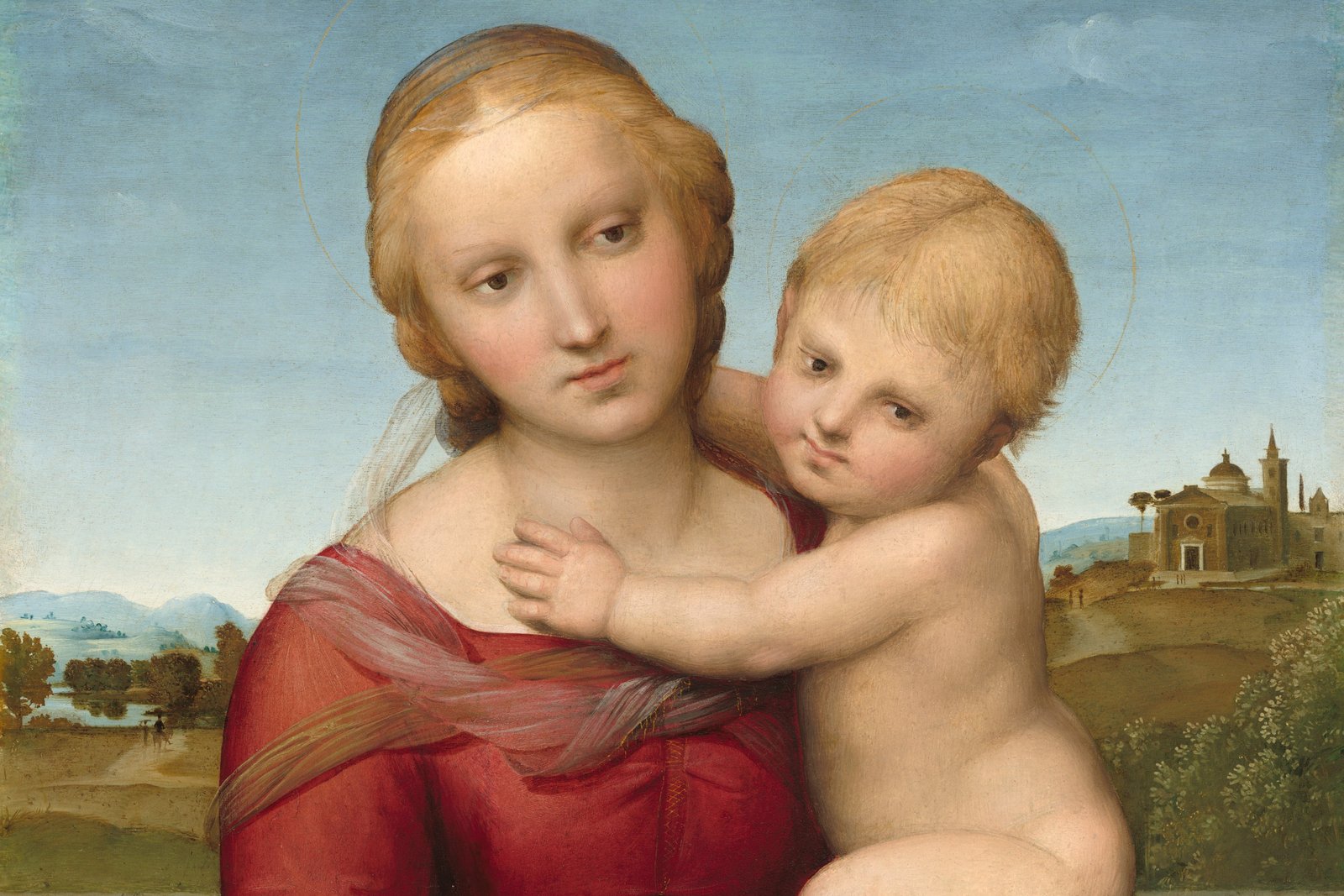
The Evolution of Renaissance Madonnas
Cimabue painted Mary enthroned and remote; a century later Raphael painted her cradling her son like any young mother. Here's how that shift happened.