Marian Feasts Through the Year — A Guide

Two kinds of Marian feast, and why the distinction matters
Before working through the calendar, it helps to know the Church is actually running two different kinds of claim under one general heading. Some Marian feasts rest on defined dogma — teaching the Church holds is formally, permanently true, and that a Catholic cannot simply set aside as optional. Others rest on approved private revelation — apparitions the Church, after investigation, has judged worthy of belief and not contrary to faith, without requiring belief in them the way it requires assent to dogma. Conflating the two is the single most common source of confusion about Marian devotion, so each feast below is marked plainly.
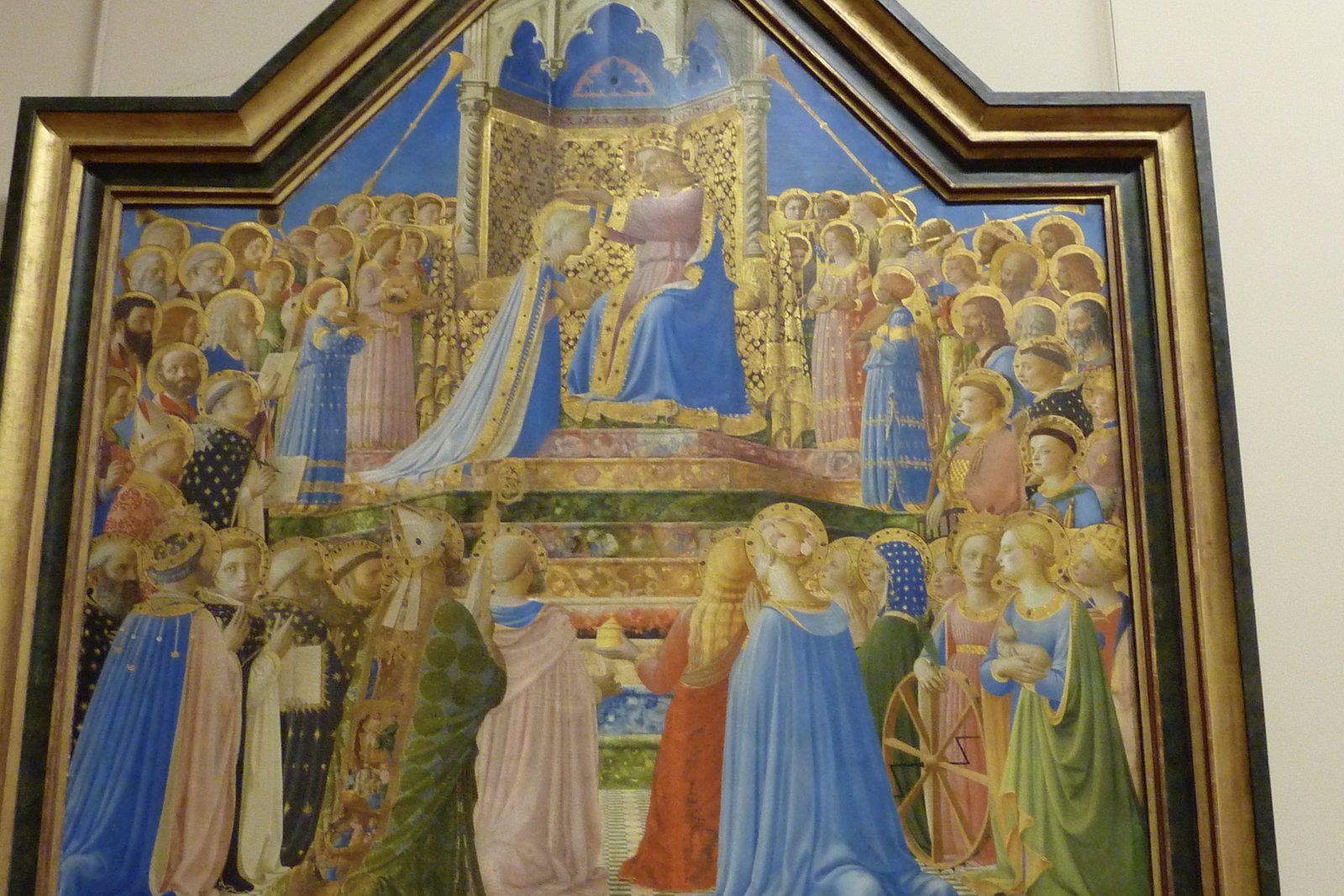
Fra Angelico, Coronation of the Virgin, Musée du Louvre — public domain.
January 1 — Solemnity of Mary, Mother of God (dogma)
The year opens, appropriately, with the oldest and most doctrinally load-bearing Marian feast on the calendar. The title Theotokos, Greek for "God-bearer" or "Mother of God," was formally affirmed at the Council of Ephesus in 431, against a rival view that wanted to call Mary only "Mother of Christ," treating his humanity and divinity as more loosely joined than the Church accepted. The Council's point wasn't really about elevating Mary for her own sake — it was a statement about Jesus. Because the person she bore is fully God and fully man, not two separate individuals sharing one body, the woman who bore him can rightly be called Mother of God (CCC 495). Placing this solemnity on the octave day of Christmas, January 1, keeps that logic close to the Nativity itself.
March 25 — The Annunciation (dogma, tied to the Incarnation)
Nine months before Christmas almost to the day, the Annunciation marks the moment, recorded in Luke 1:26-38, when the angel Gabriel told a young woman in Nazareth that she would conceive a son through the Holy Spirit. Mary's answer — "let it be done to me according to your word" — is traditionally read as the moment of the Incarnation itself, God the Son taking on human nature within her. This site's own article on the Annunciation covers the scene in more depth. Doctrinally, the feast is really about Christ becoming man; Mary's consent is essential to the story but the dogmatic weight sits on the Incarnation itself.
August 15 — The Assumption (dogma)
The Assumption teaches that Mary, "having completed the course of her earthly life, was assumed body and soul into heavenly glory" (CCC 966). Pope Pius XII formally defined this as dogma in 1950 in the apostolic constitution Munificentissimus Deus, closing a question that Christian tradition had already widely believed — in various forms, East and West — for well over a thousand years before the formal definition. One detail often gets flattened in casual retellings: the Church has deliberately not defined whether Mary died before being assumed, leaving that question open even while the fact of the Assumption itself is settled teaching. This site covers the fuller history in The Assumption of the Blessed Virgin Mary.
December 8 — The Immaculate Conception (dogma)
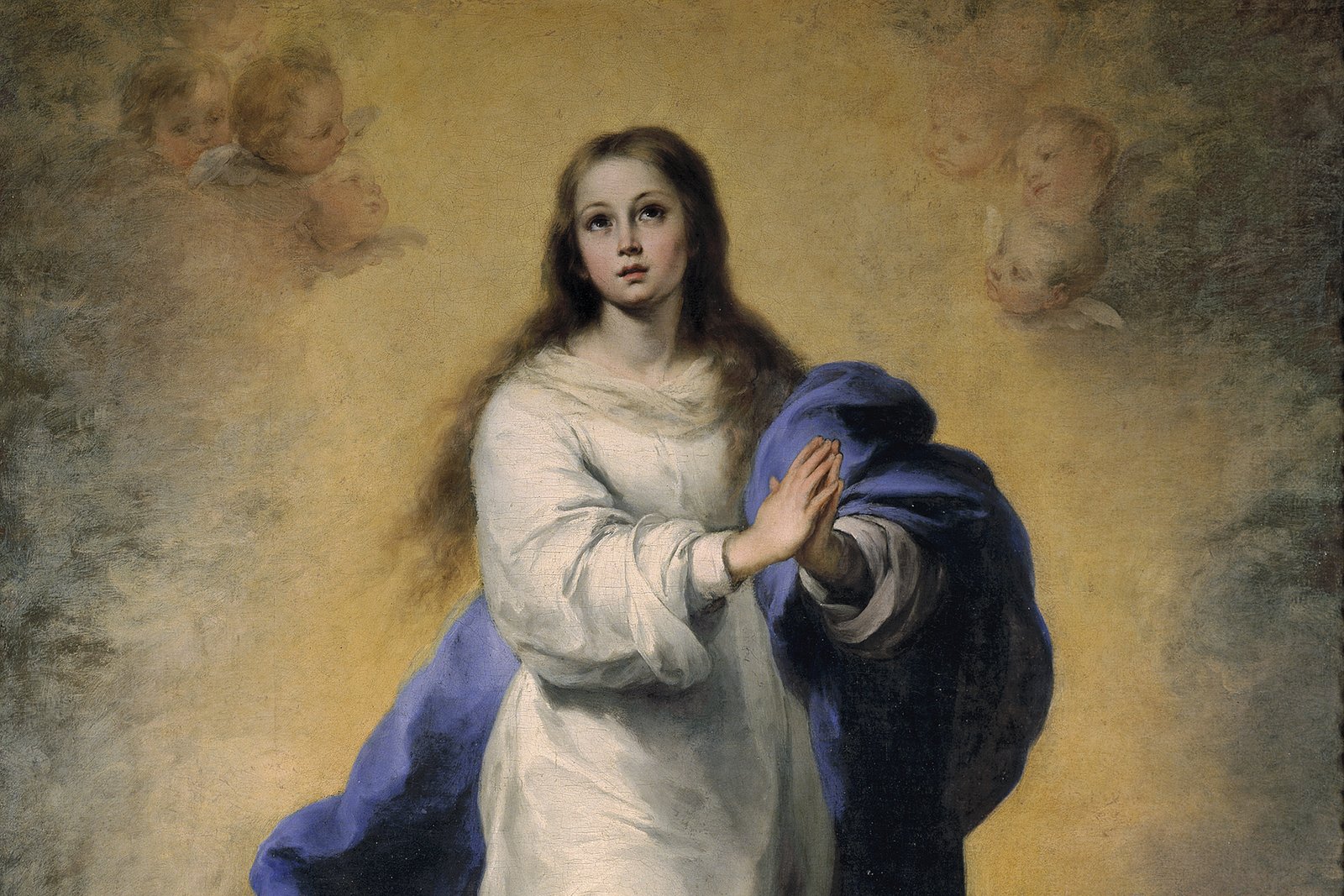
Frequently confused with the Virgin Birth, this feast is actually about an earlier and different event: Mary's own conception in her mother Anne's womb, free from original sin from the first moment of her existence. Pope Pius IX defined this as dogma in 1854, teaching that Mary was "preserved immune from all stain of original sin" by a singular grace, in view of the merits of Christ her son (CCC 491). The distinction from the Virgin Birth is worth holding onto carefully: the Immaculate Conception concerns how Mary herself came into existence; the Virgin Birth, celebrated at the Annunciation and again at Christmas, concerns how Jesus was conceived without a human father. Two separate claims, nine months and roughly two millennia of confusion apart in the popular imagination.
December 12 — Our Lady of Guadalupe (approved apparition, devotional)
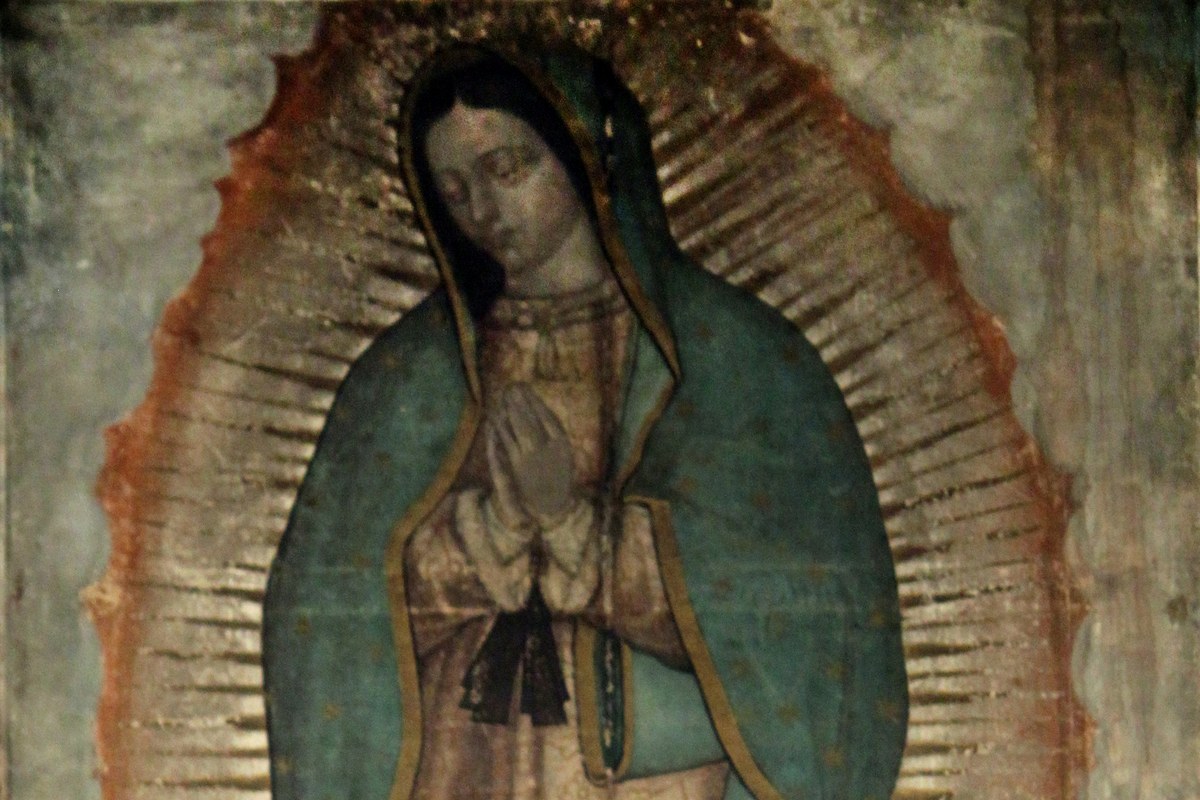
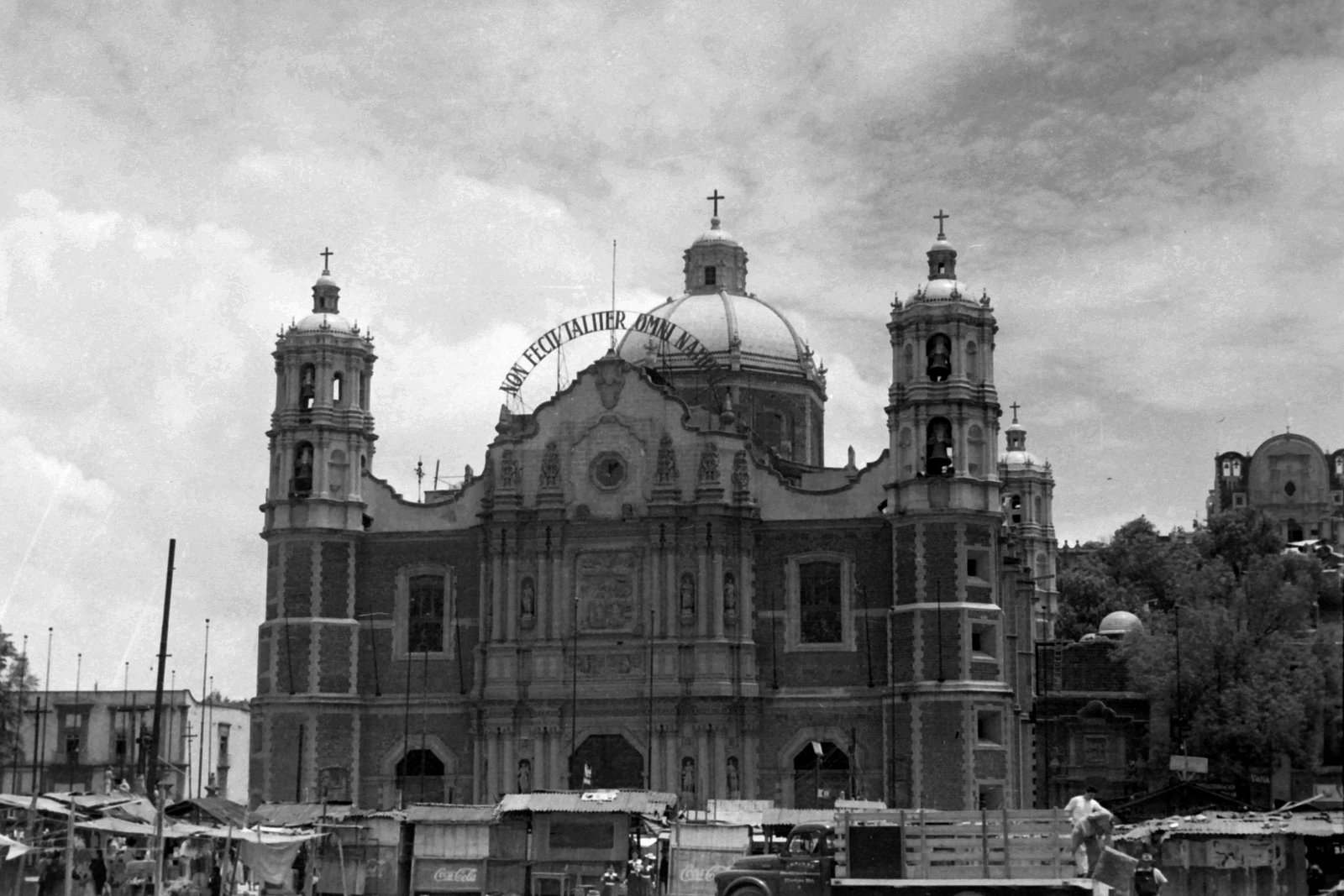
Unlike the four feasts above, Our Lady of Guadalupe rests on an approved apparition rather than defined dogma. Tradition holds that Mary appeared to Juan Diego, an indigenous convert, near Mexico City in 1531, leaving an image understood to be miraculously imprinted on his cloak. The Church's approval of the devotion doesn't require Catholics to believe the apparition occurred as an article of faith in the way they must accept the Assumption — it's a judgment that the devotion is worthy of belief and spiritually fruitful, not a dogmatic pronouncement. The full story, including why the image became so closely tied to the Americas, is told in Our Lady of Guadalupe.
Lourdes, Fatima, and other apparition feasts
Our Lady of Lourdes (February 11) and Our Lady of Fatima (May 13) follow the same devotional, rather than dogmatic, category as Guadalupe — each tied to a nineteenth- or twentieth-century apparition that received formal Church approval after investigation. Catholics are free to hold personal devotion to any of these without that devotion carrying the binding weight of dogma; the Church's stance toward approved private revelation has always been permissive rather than obligatory. Where a feast falls in the calendar often reflects the date of the apparition itself rather than any deeper doctrinal logic — Lourdes and Fatima both commemorate the anniversary of the first reported appearance.
Marian titles, one by one
Feast days mark dates; titles describe roles. Mary carries dozens of them across the Church's history, each one attached to a specific claim about who she is or what Catholics believe she has done. A few of the most significant, explored in full elsewhere on this site:
- Mary, Mother of the Church — a title with roots in Christ's words from the cross, formally added to the universal calendar by Pope Francis in 2018.
- Titles of the Virgin Mary Explained — a broader guide sorting apparition names like Fatima and Lourdes from defined dogmas like the Immaculate Conception.
- Our Lady Star of the Sea (Stella Maris) — an ancient title, by one account traceable to a medieval translator's error, that became sailors' patronage.
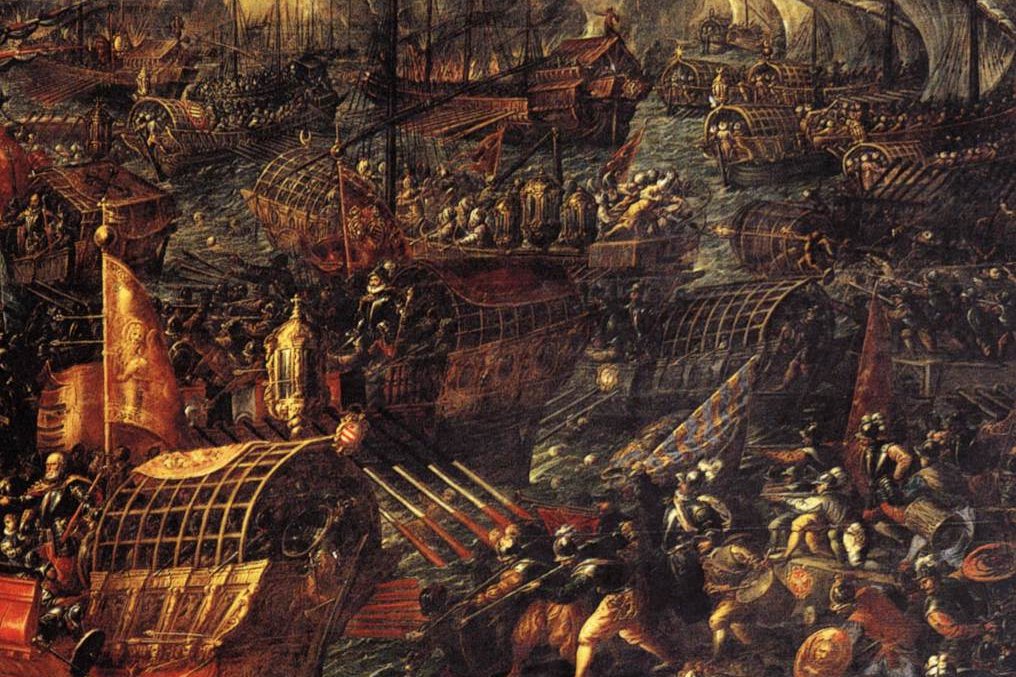
- The Holy Name of Mary — a feast that began as gratitude for a battlefield victory against an Ottoman siege but still turns on what her name actually means.
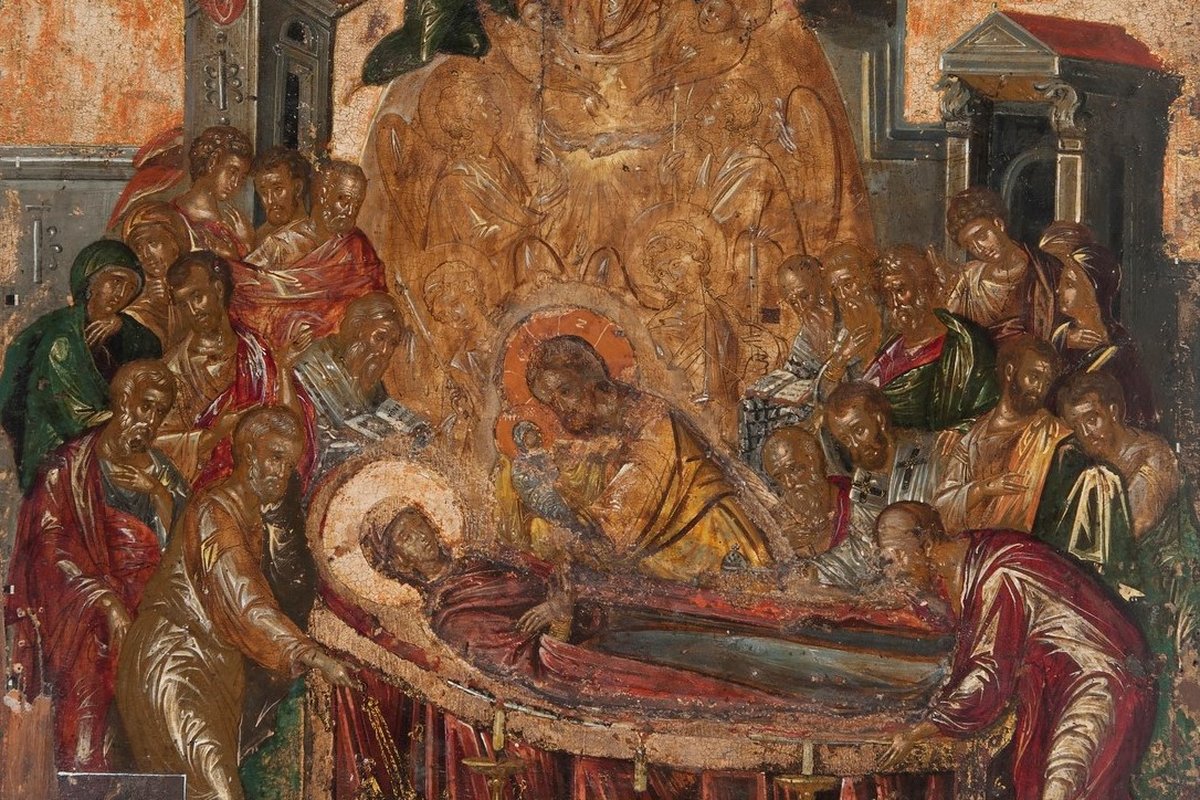
- The Dormition of the Virgin Mary — the Eastern Christian name for the end of Mary's earthly life, and the old story of an apostle who arrived too late to find her tomb empty.
- Immaculate Conception vs. Virgin Birth — a direct, side-by-side answer to one of the most commonly confused pairs of Marian doctrine, expanded here with the full explanation.
Devotions and specific apparitions worth knowing
Beyond the titles above, a cluster of specific devotions and apparition traditions each have their own detailed article on this site:
- Our Lady of Loreto — the story of a small stone house in an Italian hill town that became one of Catholicism's most visited shrines, and why Mary under this title is patroness of air travel.
- The Saturday Memorial of the Blessed Virgin Mary — how a custom rooted in early monastic prayer set aside Saturdays for Mary and became fixed in the universal liturgical calendar.
- The Life of Mary: A Timeline — every stage of Mary's life, from a childhood outside Scripture to her Assumption, traced event by event through the Gospels and the Church's oldest traditions.
- Feast of Our Lady of the Rosary — how the October 7 feast began as thanksgiving for the 1571 Battle of Lepanto.
- Our Lady Undoer of Knots — a devotion traced to a forgotten 1700 German painting that Pope Francis carried from Germany to Argentina and, eventually, the world.
- Our Lady of Perpetual Help — the centuries-old icon that disappeared from public view for decades after being stolen from a Roman church, until a dying child's dream helped bring it back to light.
Reading the calendar with the right lens
None of this is meant to rank the feasts by importance in a way that diminishes the devotional ones — generations of Catholics have found real spiritual depth in Guadalupe, Lourdes, and Fatima specifically. The point of separating dogma from devotion isn't to demote anything, but to be accurate about what kind of claim is being made on each date. Four fixed points of defined doctrine — Theotokos, the Incarnation, the Assumption, the Immaculate Conception — anchor the year, and a wider set of approved apparitions fill in around them, each inviting devotion without requiring it. Learning to tell the two apart is what turns a crowded-looking calendar into a coherent one.
Trivia
What is the difference between the Immaculate Conception and the Virgin Birth?
Is the Assumption of Mary the same as the Ascension of Jesus?
Which Marian feasts are dogma and which are devotional tradition?
Why is the Solemnity of Mary, Mother of God celebrated on January 1?
Are Marian apparitions like Fatima and Lourdes required beliefs for Catholics?
Related Reading