The Twelve Apostles — The Full List, at a Glance

One calling, twelve very different men
The Gospels give the list of the twelve four separate times, with small differences in order and naming that scholars generally read as reflecting the different sources and emphases of each writer rather than any real disagreement about who belonged to the group. What's consistent across all four lists is the core idea: twelve men, deliberately chosen — a number that echoes the twelve tribes of Israel and signals, from the very start, that Jesus is forming something meant to stand alongside and fulfill that older story.
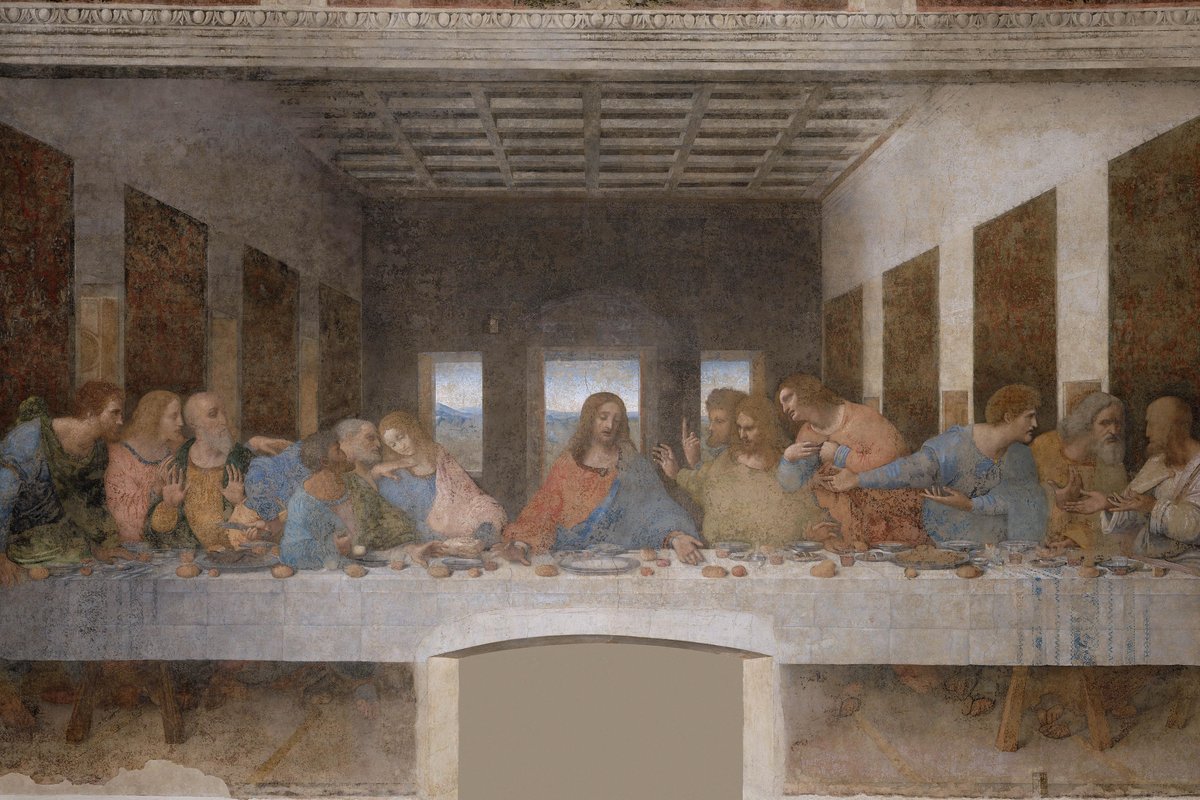
Leonardo da Vinci, 'The Last Supper,' 1495-1498, Santa Maria delle Grazie, Milan — public domain.
The Gospels describe the choosing itself as a deliberate act rather than something that simply happened over time: Luke's Gospel says Jesus spent a night in prayer on a mountainside before selecting the twelve from a larger group of disciples who had already been following him. Once chosen, the twelve occupied a distinct role even among Jesus's other followers — Mark's Gospel describes their appointment in terms of a double purpose, to stay close to Jesus and to be sent out to preach, and that dual role of companionship and mission shapes how the Gospels portray them from that point forward: traveling with Jesus through Galilee, sent out in pairs to preach and heal, and eventually commissioned after the resurrection to carry the message to every nation.
Most of what's known about individual apostles beyond their names comes not from the Gospels themselves, which say very little about most of them personally, but from later Church tradition, early historians, and local legends that grew up around the places each man is said to have preached and died. That means the biographical detail below varies a great deal in reliability from one apostle to the next — Peter, Paul, and John are attested in real depth by multiple ancient sources, while several others are known mostly through tradition alone. Below is the full roster, each name linking to a fuller article where one already exists on this blog.
The inner circle
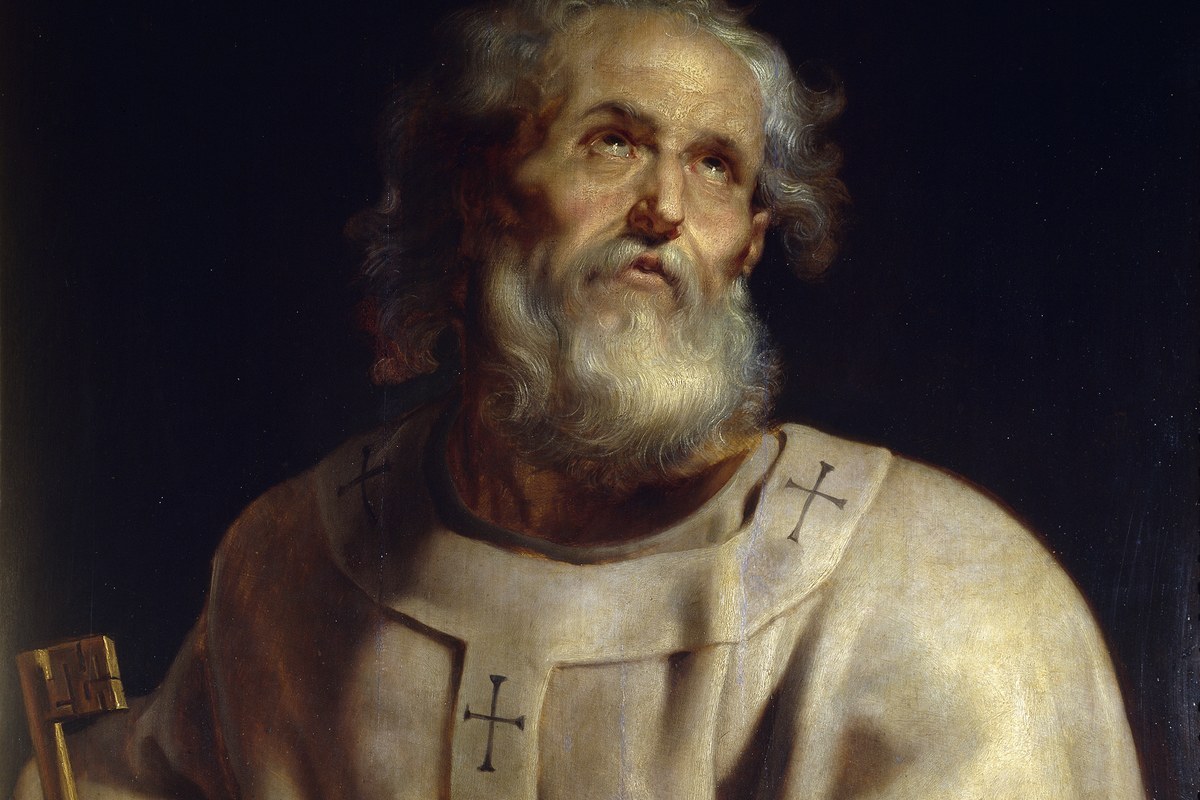
- Peter — born Simon, a fisherman from Bethsaida whom Jesus renamed "Rock" and entrusted with a leading role among the twelve; tradition holds he was crucified in Rome, reportedly upside down at his own request.
- Andrew — Peter's brother and, according to John's Gospel, the first apostle Jesus called; tradition holds he was martyred on an X-shaped cross, later adopted as the national symbol of Scotland, of which he is patron.
- James the Greater — son of Zebedee, nicknamed a "Son of Thunder" alongside his brother John, and the first apostle martyred, beheaded on the order of King Herod Agrippa I around 44 AD.
- John — James's brother, remembered as "the disciple Jesus loved," present at the foot of the cross, and traditionally the only apostle not martyred, dying of old age at Ephesus after exile on Patmos.
The rest of the twelve
- Philip — the apostle Jesus tested about feeding the five thousand and who later asked to be shown the Father directly; tradition holds he was martyred at Hierapolis.
- Bartholomew — widely identified with Nathanael, the man Jesus called "an Israelite indeed, in whom is no guile"; tradition remembers one of the most brutal apostolic martyrdoms, death by flaying.
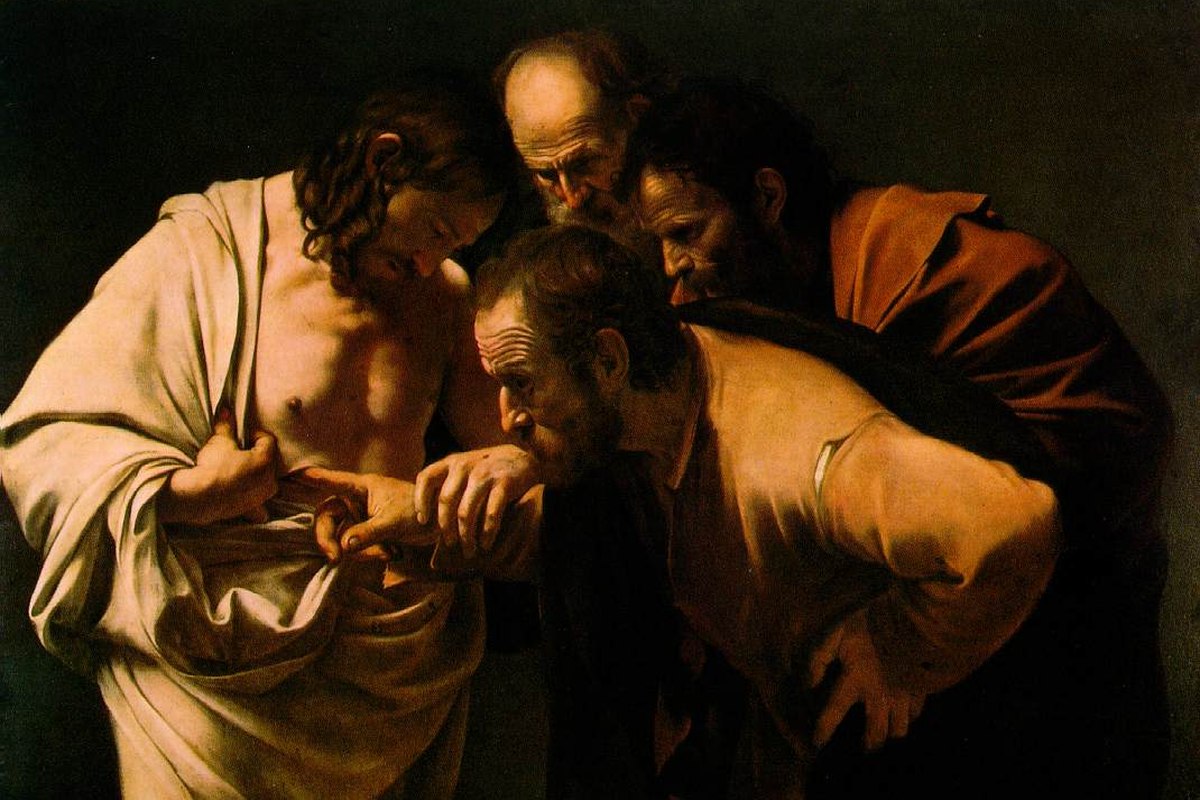
- Thomas — remembered as "Doubting Thomas" for refusing to believe the resurrection until he touched Christ's wounds; a separate tradition credits him as the apostle who carried the Gospel to India.
- Matthew — a tax collector in Capernaum before Jesus called him, traditionally credited as the author of the Gospel that bears his name.
- James the Lesser — son of Alphaeus, distinguished from James the Greater by age or stature rather than importance, and one of the least individually documented of the twelve.
- Jude Thaddaeus — also called Thaddaeus, who asked Jesus at the Last Supper why he would reveal himself only to believers and not to the world; now widely invoked as patron of hopeless causes.
- Simon the Zealot — identified by a title likely tied to religious zeal rather than the later political Zealot movement; almost nothing else about him survives in Scripture.
- Matthias — chosen by lot after the resurrection to replace Judas Iscariot and restore the number of the twelve before Pentecost (Acts 1:15-26).
How to tell them apart in art
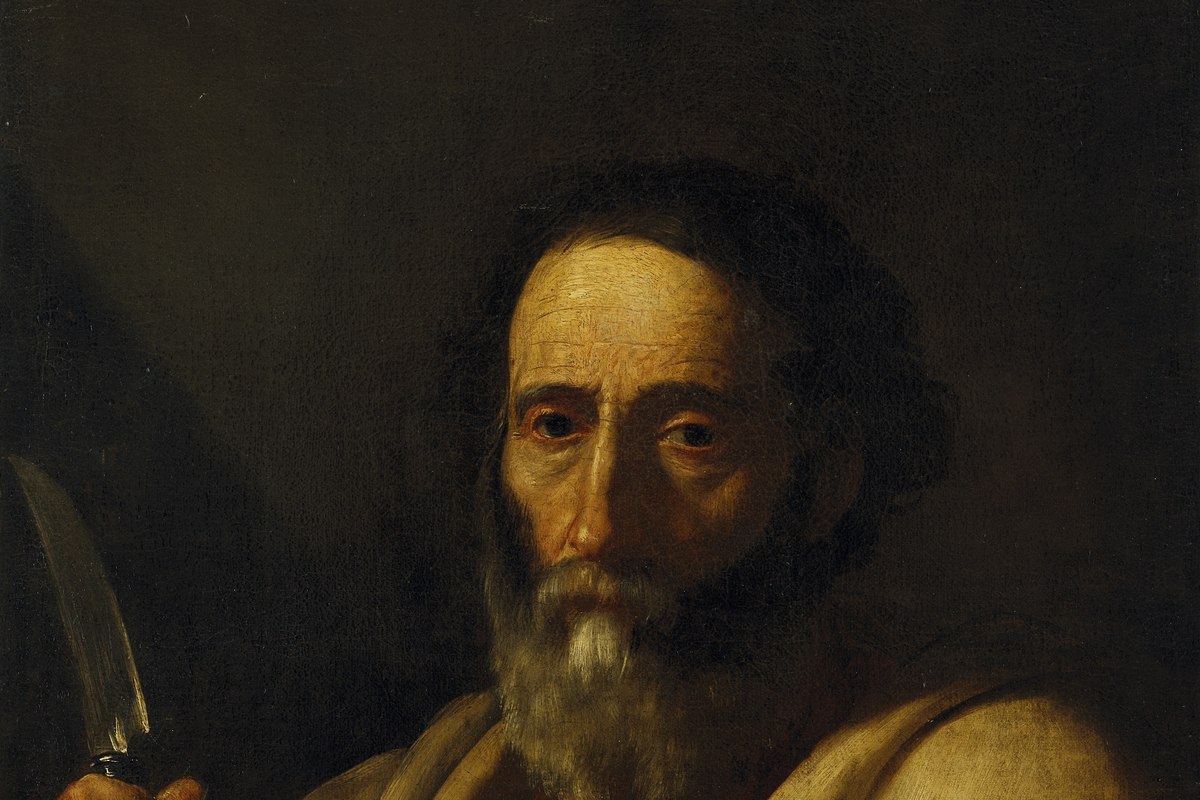
Because so few of the twelve are physically described in Scripture, Christian art developed a set of standard attributes over the centuries — objects or details attached to each apostle so that viewers could identify them at a glance in paintings, stained glass, and statues, much the same way a modern reader might recognize a character by a signature accessory. Peter is almost always shown holding a set of keys, recalling Jesus's words about the keys of the kingdom; Andrew appears with the X-shaped cross of his martyrdom; Bartholomew is often shown holding his own flayed skin or a flaying knife, a stark reference to the manner of his death; Jude Thaddaeus typically carries an image of Christ, tied to a legend of his missionary work, or a club; and Matthew is frequently paired with a money bag or ledger recalling his years as a tax collector. These attributes are worth knowing if you've ever looked at a Renaissance painting of the Last Supper, like the one pictured above, and wondered how to tell one bearded man in a tunic from another.
The name left off this list
One more name belongs in any honest count of the twelve: Judas Iscariot, the apostle who betrayed Jesus to the religious authorities for thirty pieces of silver and died before the resurrection. Scripture treats him as a genuine member of the twelve up to that betrayal — he is named in every original apostle list — but the Church has never venerated him as a saint, and he has no article on this blog. His empty place is precisely why Matthias's story exists at all: the eleven remaining apostles felt the number needed restoring before Pentecost, and cast lots to do it.
That method of choosing — casting lots rather than a vote or a direct appointment — is itself worth pausing on. Acts 1:23-26 describes the eleven narrowing the field to two candidates who had been with Jesus from his baptism onward, praying for guidance, and then leaving the final choice to the lot, understood as a way of letting God make the decision directly rather than relying on human preference. It's the last time Scripture describes the apostles filling a vacancy this way; after Pentecost, the emerging Church generally settles leadership questions through discernment, prayer, and the laying on of hands instead.
Ordinary men, an extraordinary claim
What's easy to miss, reading through twelve short biographies, is how unremarkable most of these men were before they were called — fishermen, a tax collector, several figures Scripture barely bothers to describe at all. None were priests, scholars, or men of any particular social standing in first-century Judea; several were, by their own later admission in the Gospels, slow to understand what Jesus was teaching them and quick to argue among themselves about status and precedence.
The Church's confidence in them has never rested on their résumés. It rests on the claim, retold in every one of these stories, that they were sent anyway — and on the historical fact that a movement founded by an executed rabbi and carried forward by a small group of ordinary, largely uneducated men from a minor Roman province went on, within a few centuries, to reshape the religious landscape of the entire ancient world. Whatever else is true or legendary in the details of any one apostle's death, that larger outcome is the part of the story hardest to explain away.
Trivia
How many apostles did Jesus choose, and where is the list given?
Were all twelve apostles fishermen?
Why are two apostles both named James?
What happened to Judas Iscariot's place among the twelve?
Did all the apostles die as martyrs?
You May Also Like
Related Reading