
Blog
Stories of saints, biblical events, angels, and sacred places.
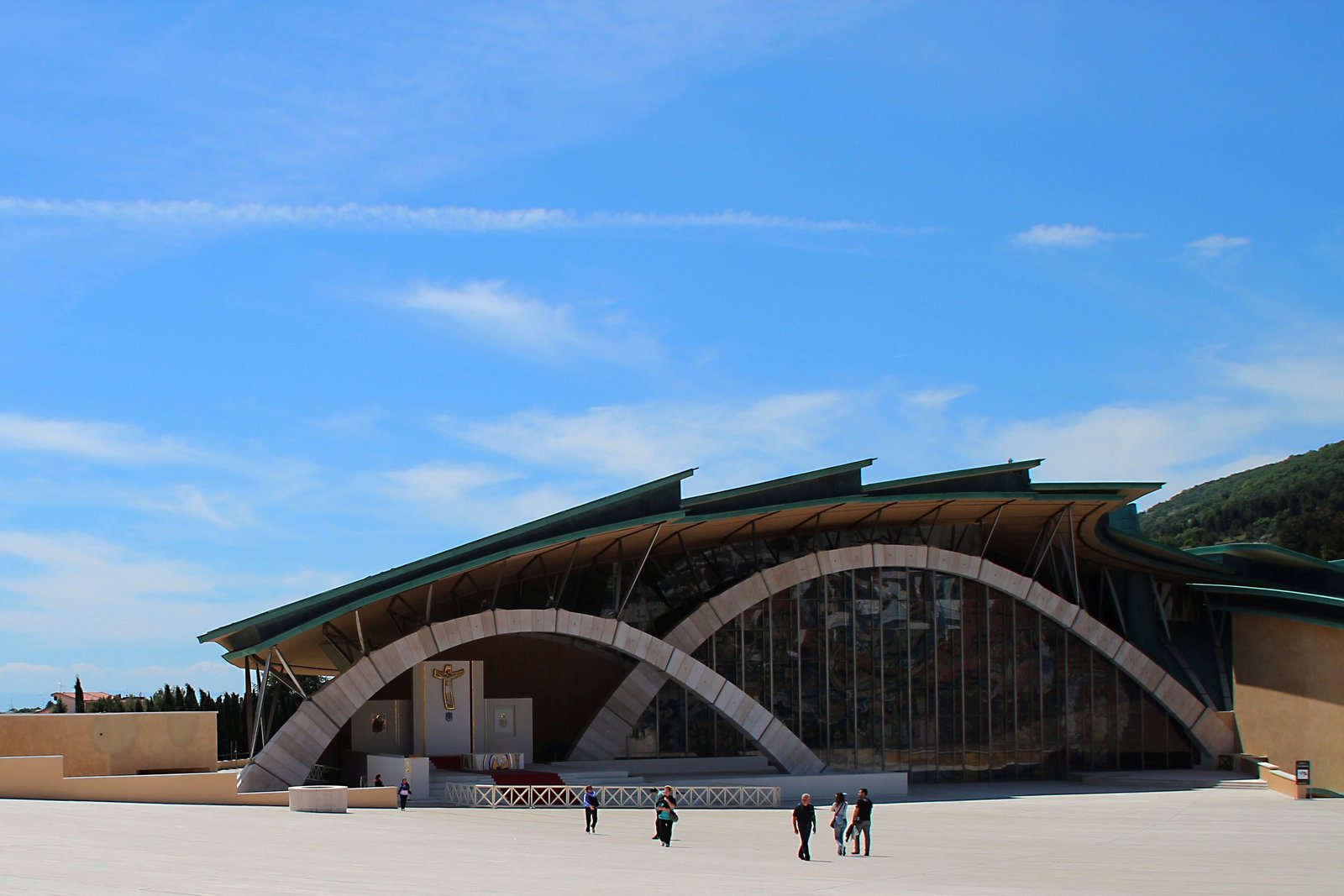
San Giovanni Rotondo, the Home of Padre Pio
A remote mountain town in southern Italy became one of the world's busiest pilgrimage sites, built around one Capuchin friar's fifty years there.

The Shrine of Divine Mercy, Kraków
In a quiet Kraków convent, a barely educated nun's diary became a worldwide devotion. Inside the Łagiewniki shrine built around her tomb.
Shrine of Sainte-Anne-de-Beaupré
How a group of shipwrecked sailors' vow beside the St. Lawrence River in 1658 grew into Quebec's largest pilgrimage shrine and a reported site of healing.
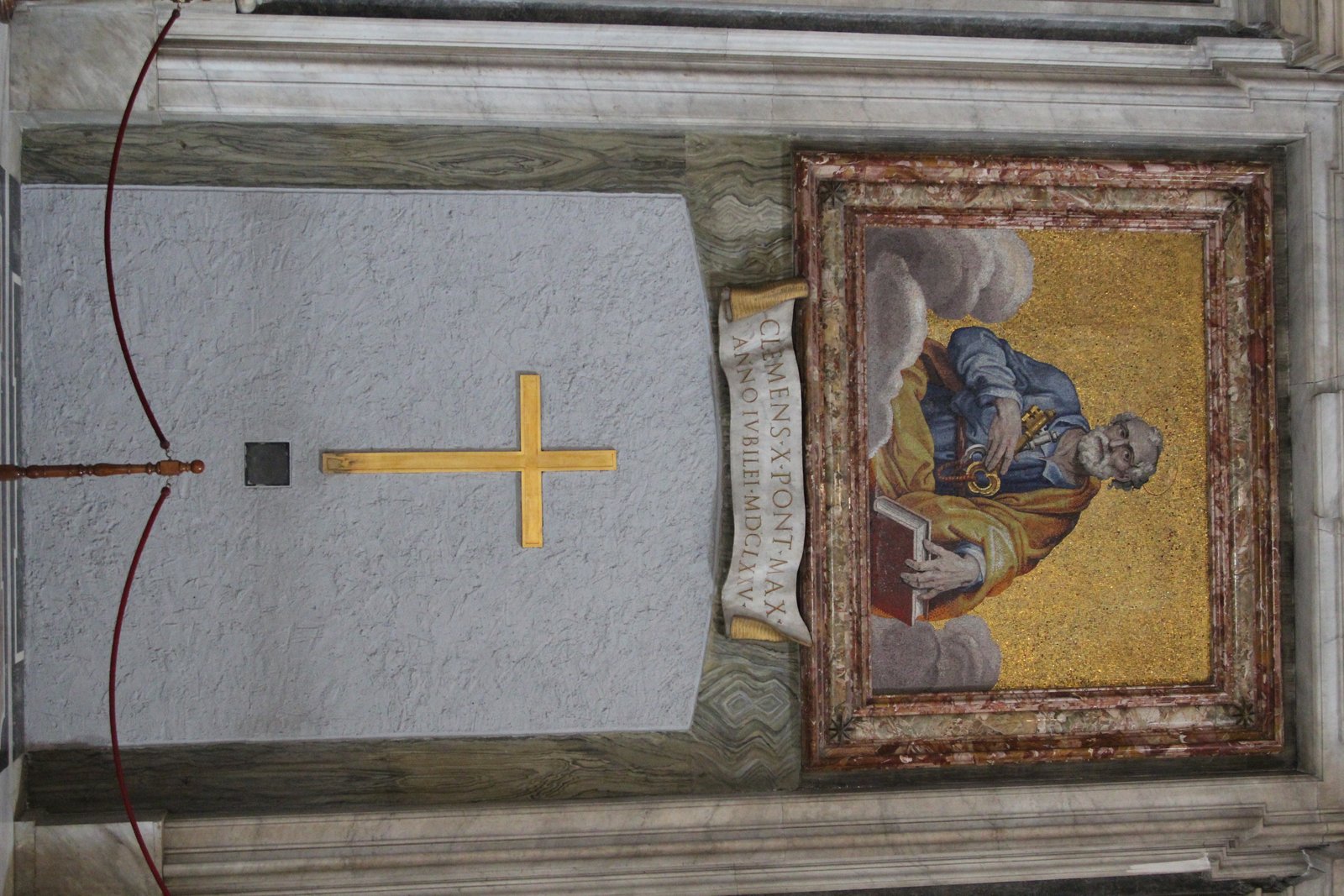
The Four Papal Basilicas of Rome
What makes St. Peter's, St. John Lateran, St. Mary Major, and St. Paul Outside the Walls a set of four, and what a Holy Door actually is.
Saint Corona, the Martyr Whose Name Means Crown
Saint Corona was an early Christian martyr venerated across Central Europe for centuries; her name means crown, and it long predates the modern virus.
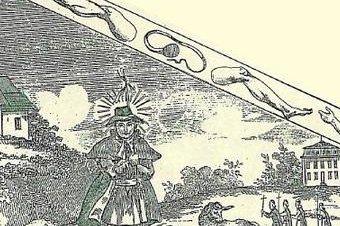
Saint Drogo, the Hermit Who Watched Mass Through a Wall
Saint Drogo lived forty years walled into a cell after a disfiguring illness, becoming patron of unattractive people, shepherds, and coffeehouse keepers.
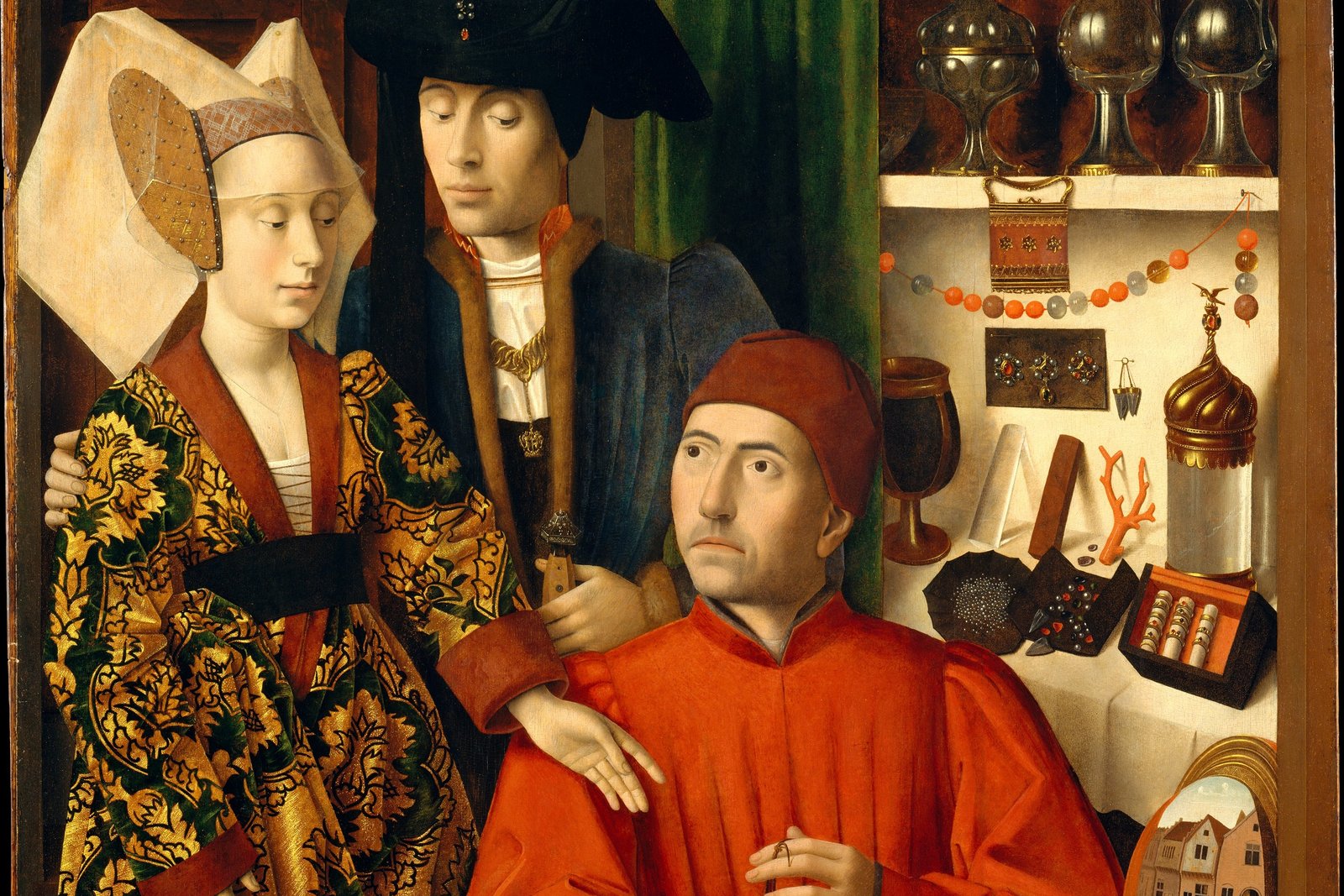
Saint Eligius, Patron of Goldsmiths
A goldsmith so skilled he made two royal thrones from the gold meant for one, then gave away his fortune to become a bishop who ransomed slaves.
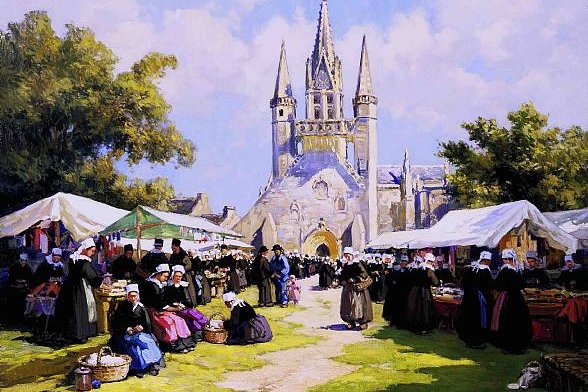
Saint Fiacre, Patron Saint of Gardeners
The story of Saint Fiacre, the 7th-century Irish-born hermit who settled in France and became one of the Church's most beloved patron saints of gardeners.
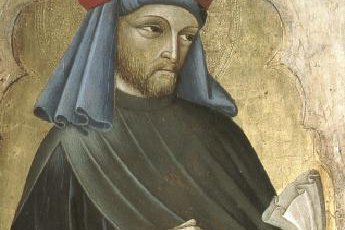
Saint Homobonus, the Merchant Canonized in Record Time
Saint Homobonus was a Cremona tailor and merchant canonized within two years of his death, patron of businesspeople who prove trade and holiness aren't opposites.
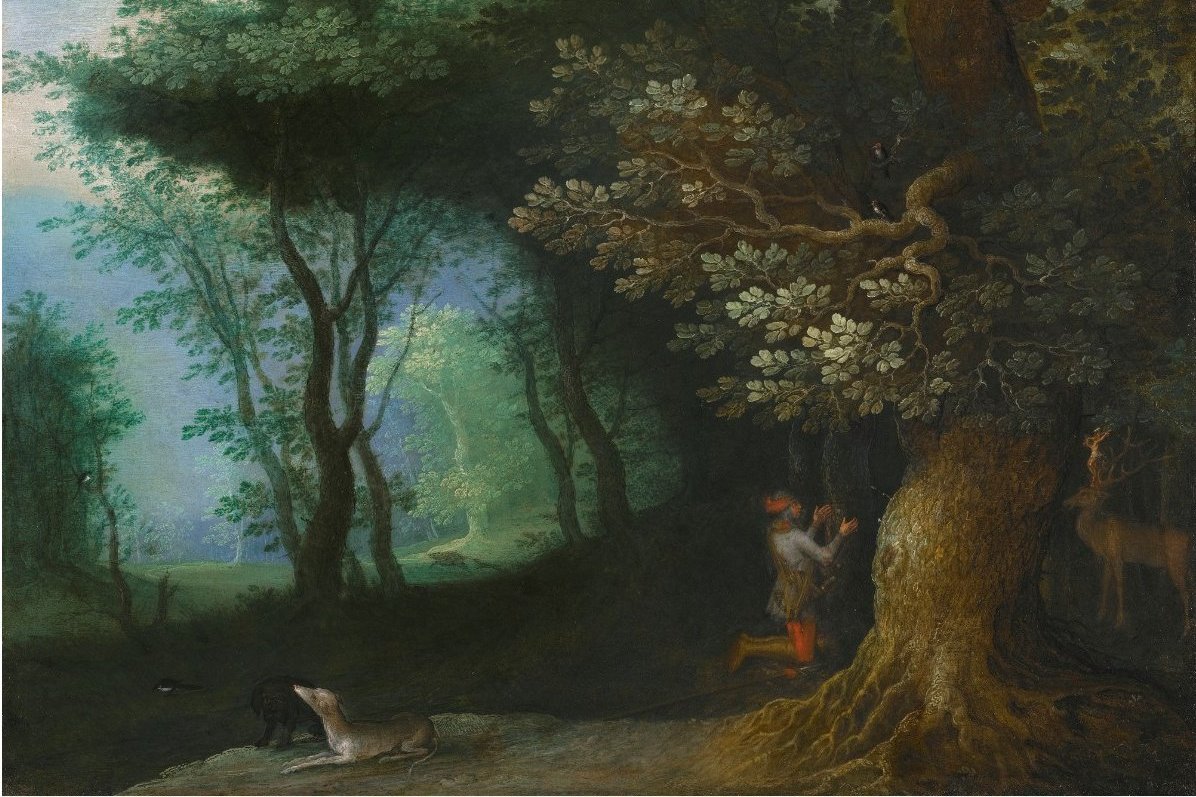
Saint Hubert of Liège, Patron of Hunters
A nobleman hunted straight through Good Friday until a stag stopped and turned to face him, a crucifix glowing between its antlers.
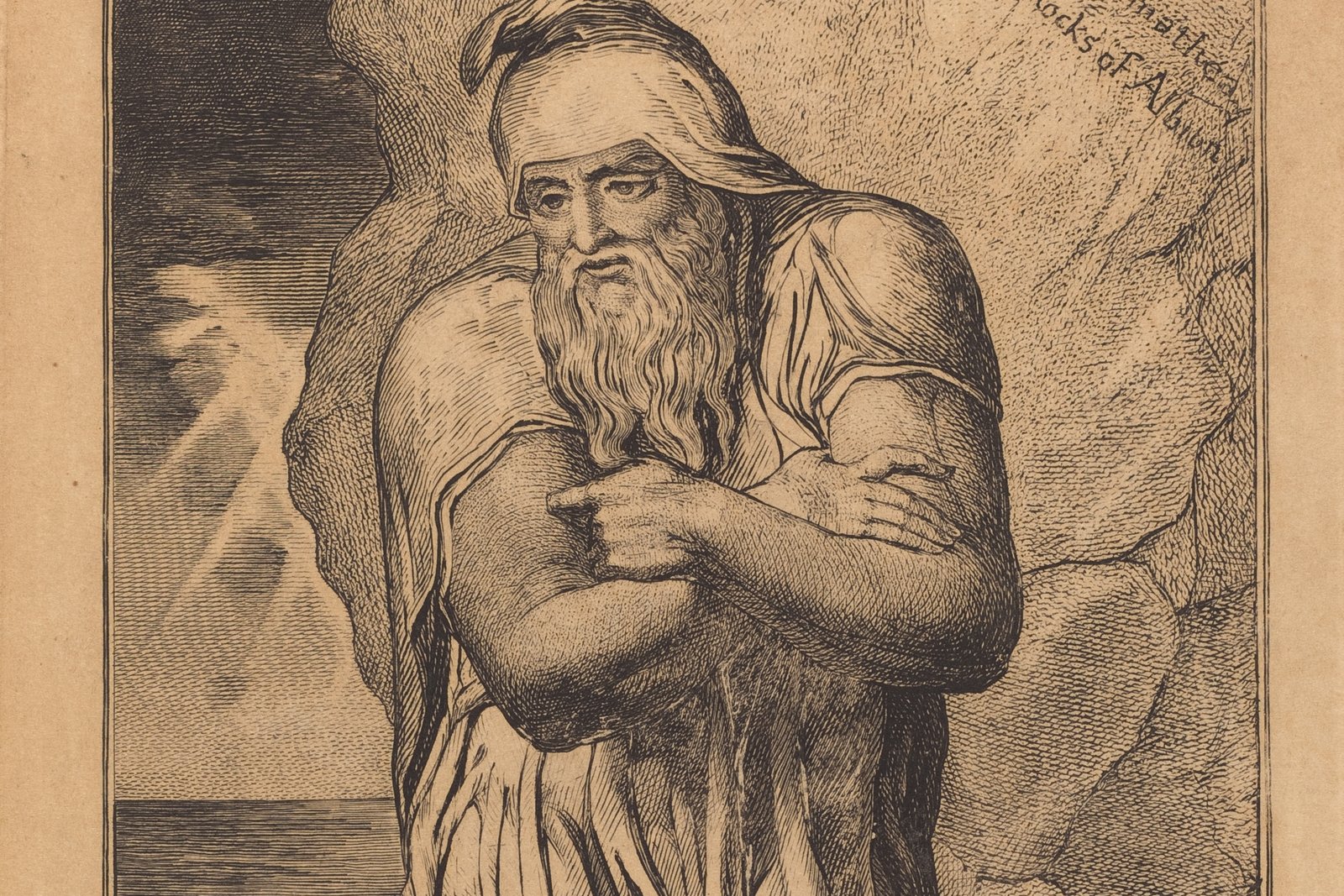
Saint Joseph of Arimathea and His Tomb
Who Saint Joseph of Arimathea was in the Gospels, why he gave up his own tomb for Jesus, and how later legend linked him to Glastonbury and the Holy Grail.
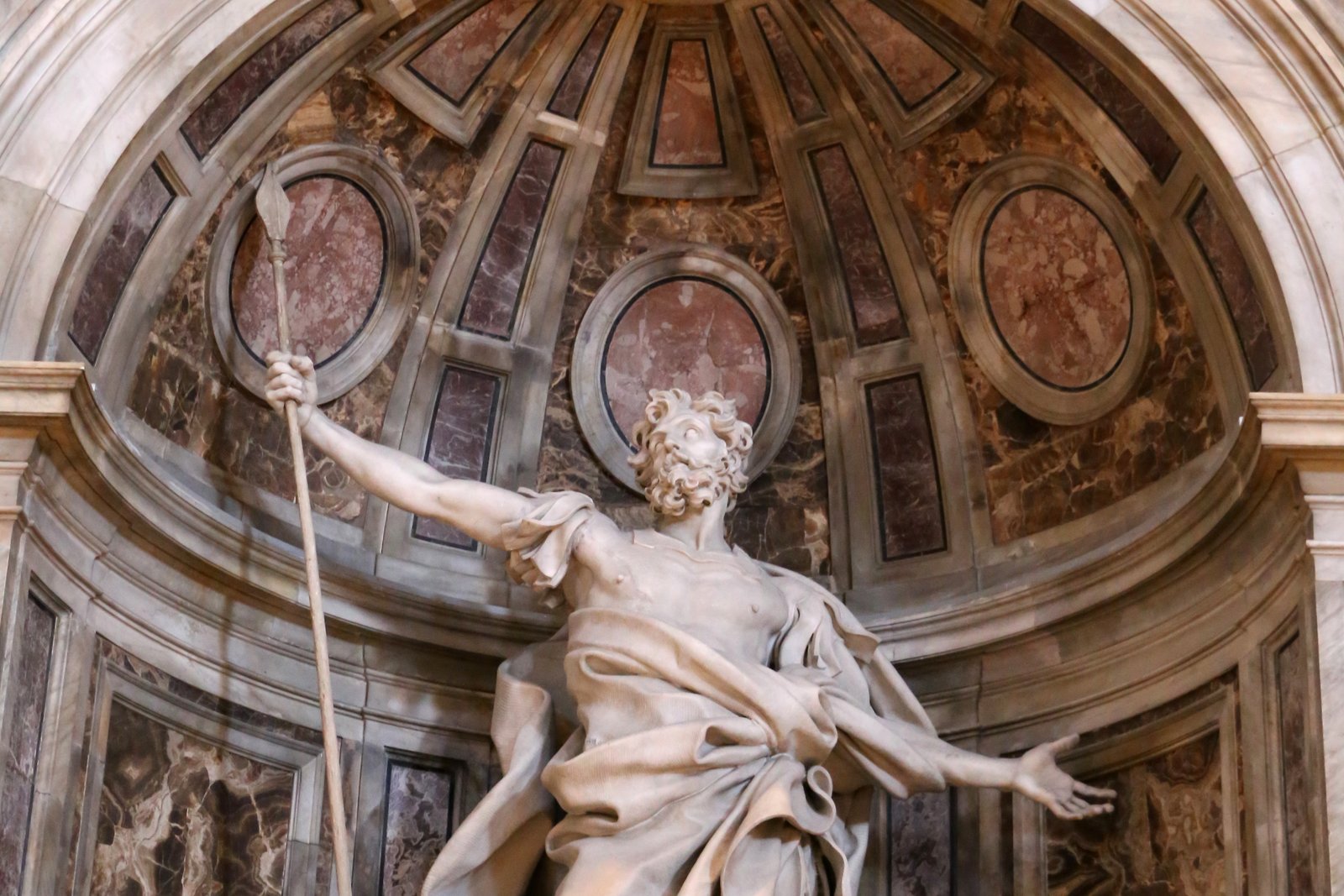
Saint Longinus, the Centurion at the Cross
Who Saint Longinus is, why later tradition names the soldier who pierced Christ's side, and how that legendary story differs from what Scripture actually records.
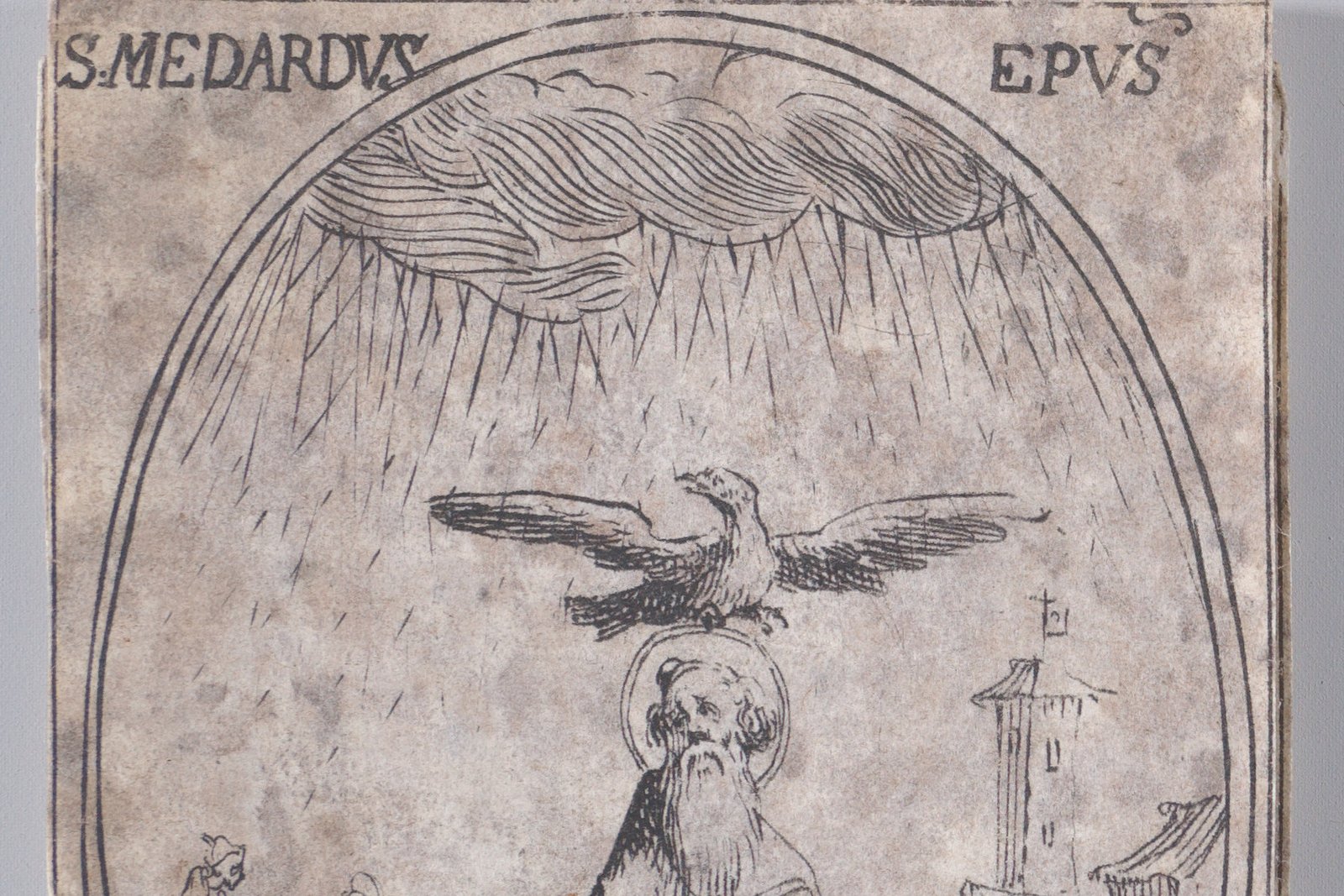
Saint Medard and the Forty Days of Rain
French farmers still watch the sky on June 8 — a 6th-century bishop's feast day that folk tradition insists sets the weather pattern for forty days after.
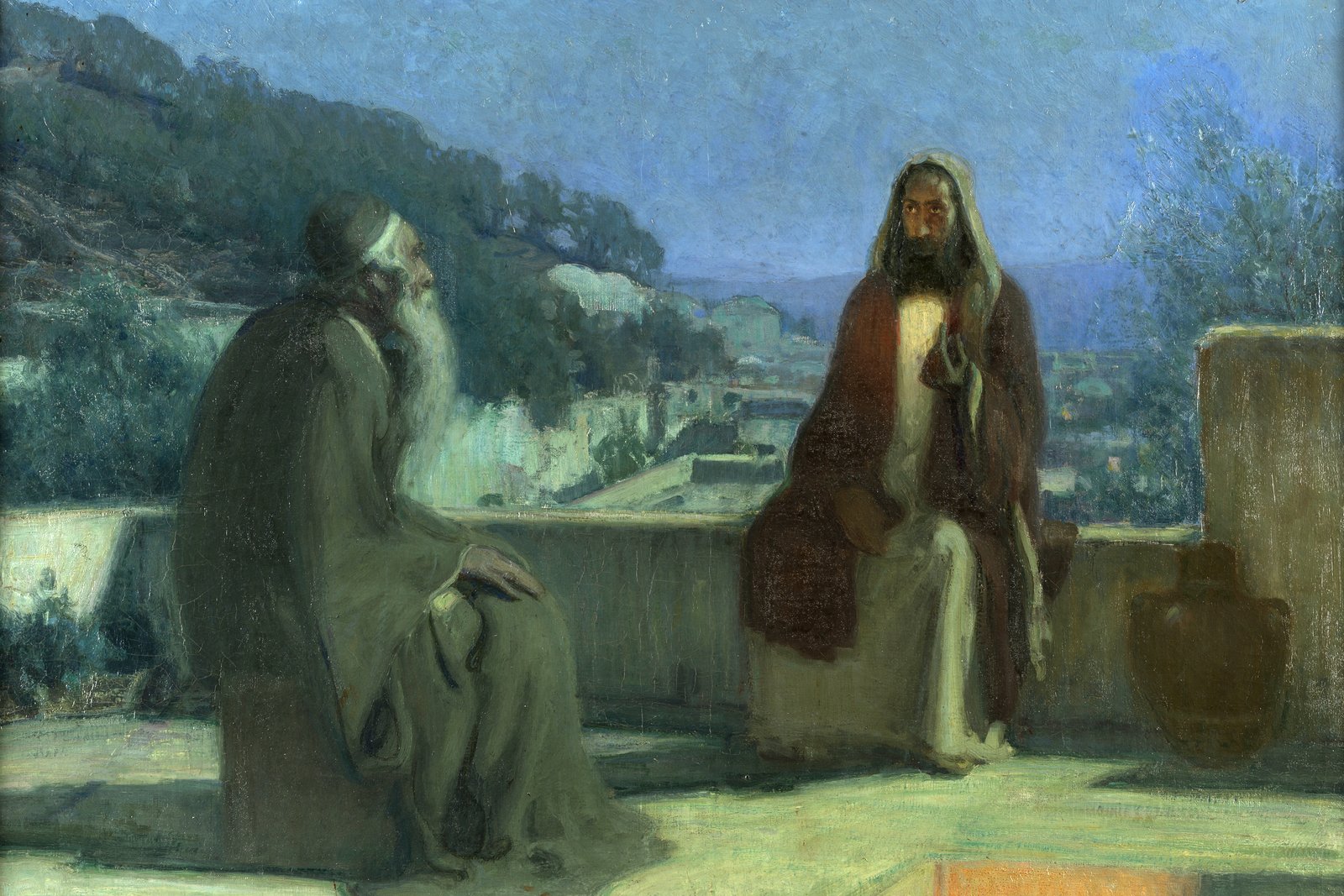
Saint Nicodemus, the Pharisee Who Came by Night
Who Saint Nicodemus is in Scripture, why he visited Jesus after dark, and what later Christian tradition adds to his brief but pivotal biblical story.
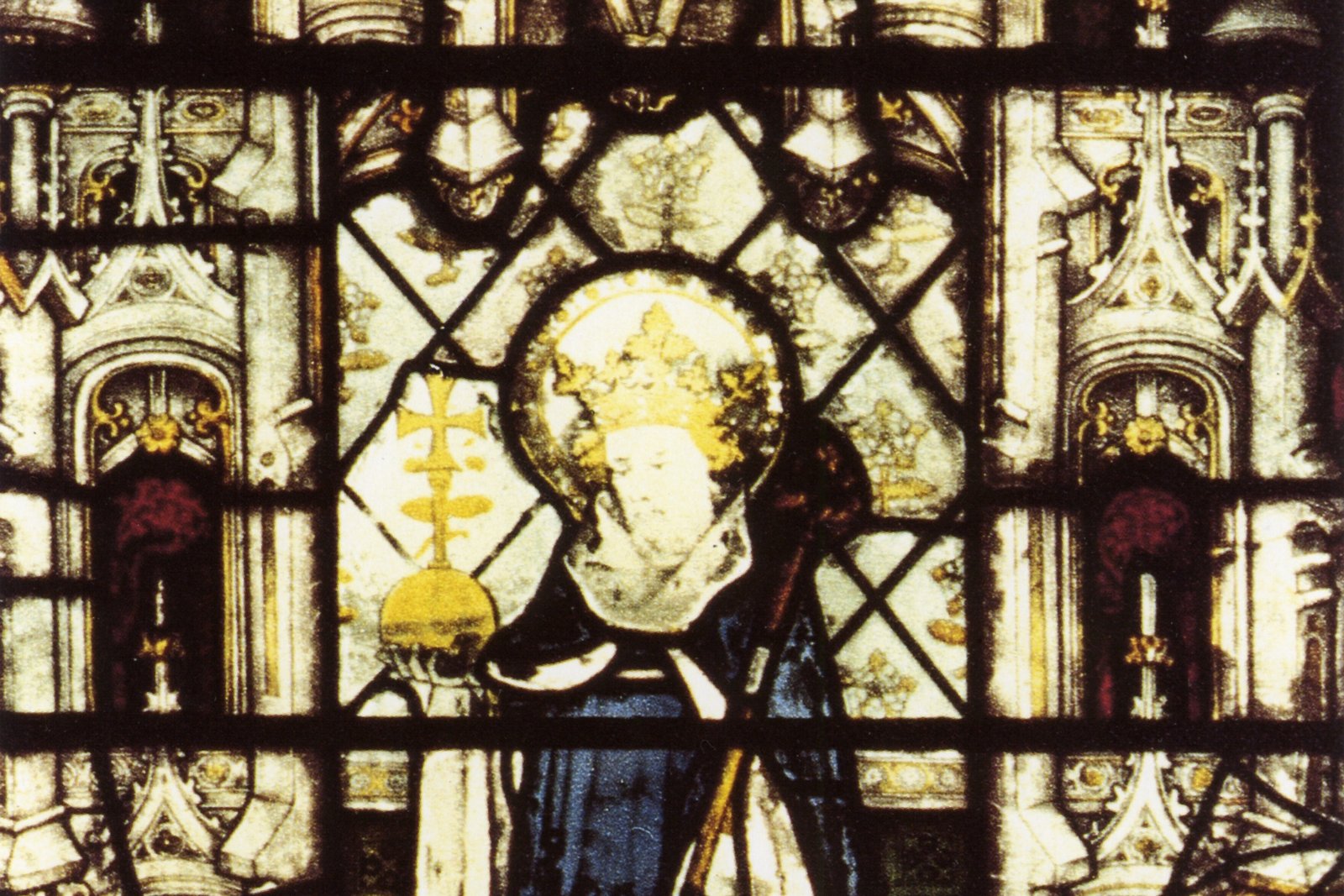
Saint Oswald of Northumbria
A king raised in exile reclaimed his throne with a wooden cross and a battle prayer, then spent his short reign rebuilding Christianity across northern England.
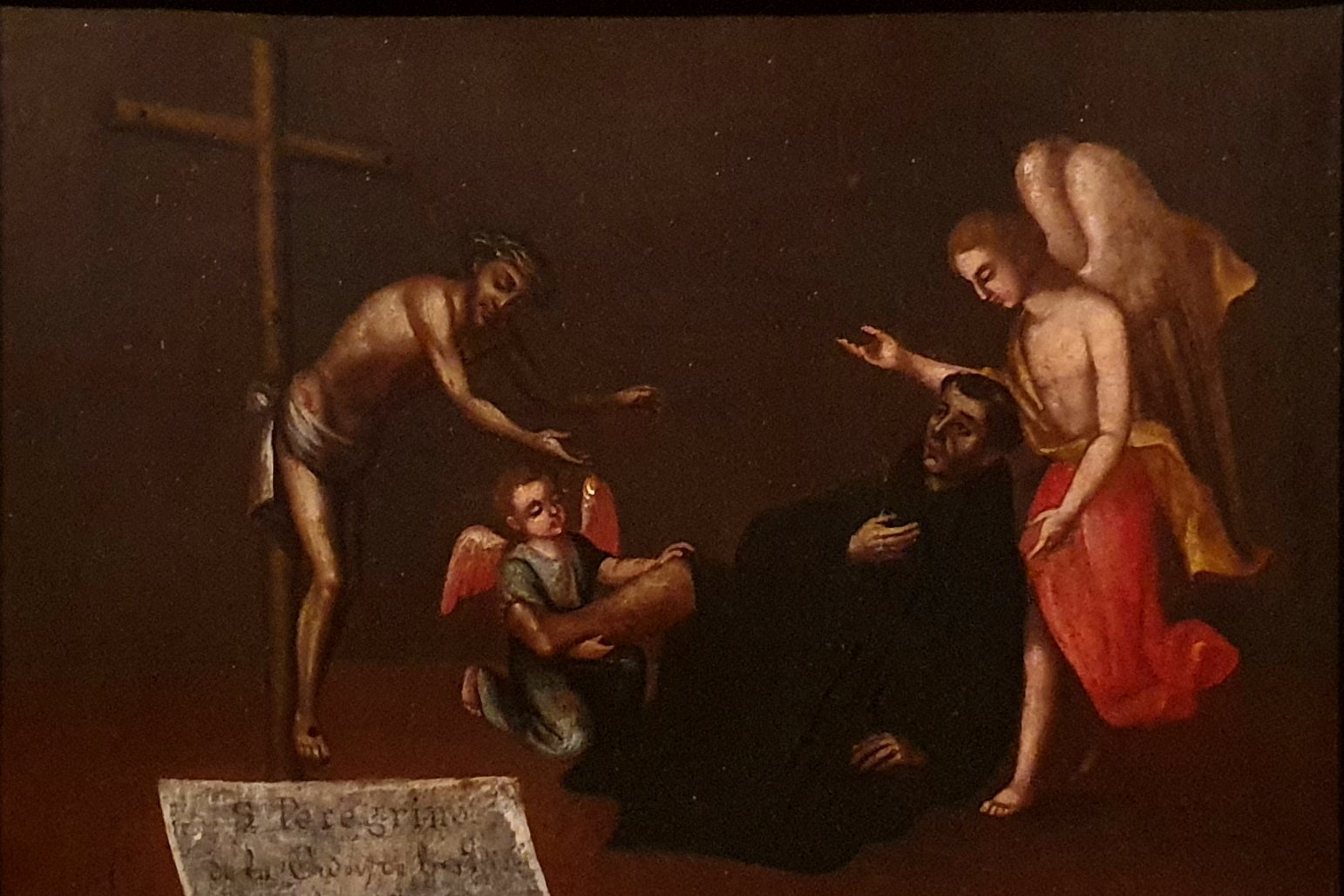
Saint Peregrine Laziosi, Patron of Cancer Patients
The story of Saint Peregrine Laziosi, the Italian friar honored as patron of cancer patients after tradition holds his leg was healed on the eve of amputation.
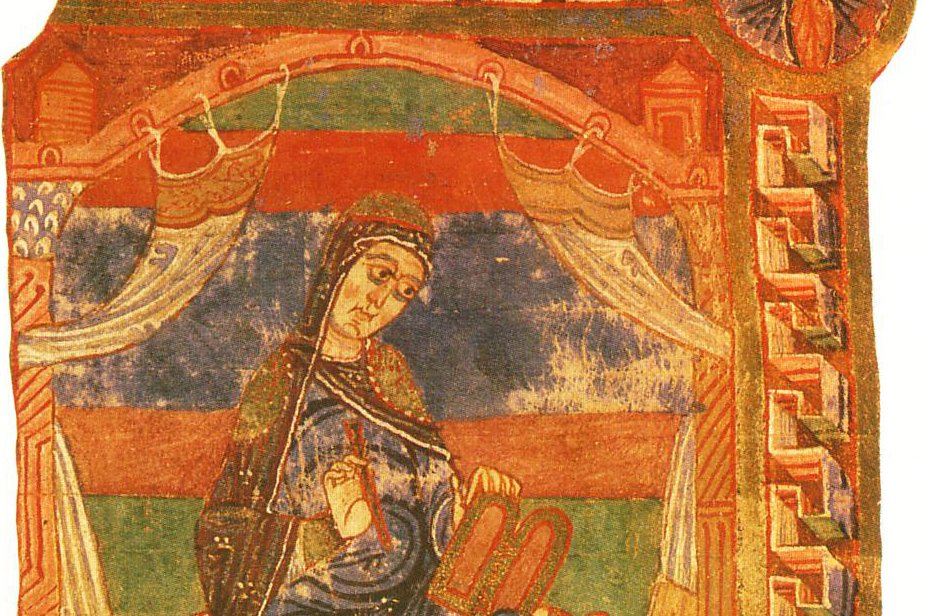
Saint Radegund of Poitiers
A Frankish queen who fled her husband's court to found a monastery, then spent decades quietly brokering peace among the very kings who might have hunted her down.
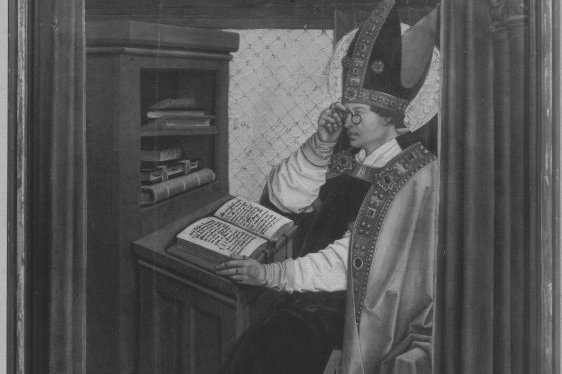
Saint Servatius, Bishop and Ice Saint of Old Europe
Saint Servatius, a 4th-century bishop of Tongeren, defended church orthodoxy at two major councils and became one of Europe's folk-tradition Ice Saints.
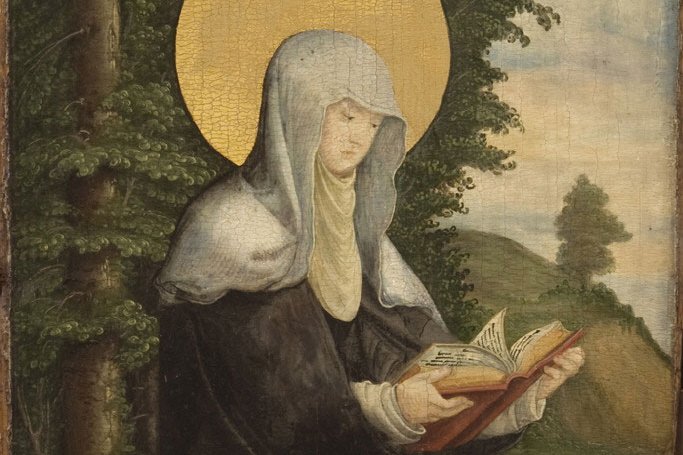
Saint Walburga, the Abbess and Her Healing Oil
Saint Walburga, an English-born Benedictine abbess who helped evangelize Germany, governed monks and nuns alike, remembered for her shrine's healing oil.
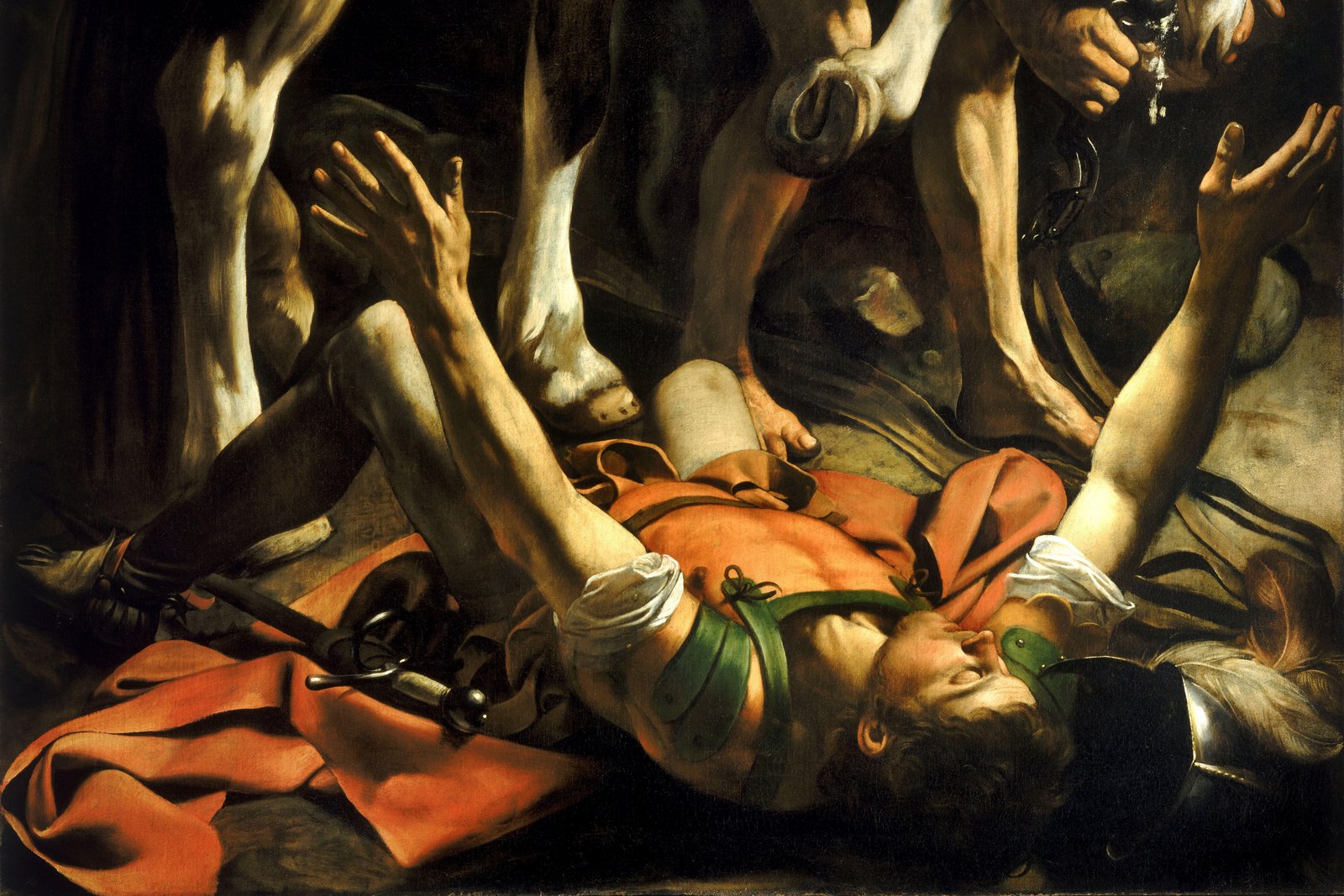
The Conversion of Saint Paul the Apostle
The Damascus road story that turned Christianity's fiercest persecutor into its greatest missionary, and what the three biblical accounts actually say.