
Blog
Stories of saints, biblical events, angels, and sacred places.
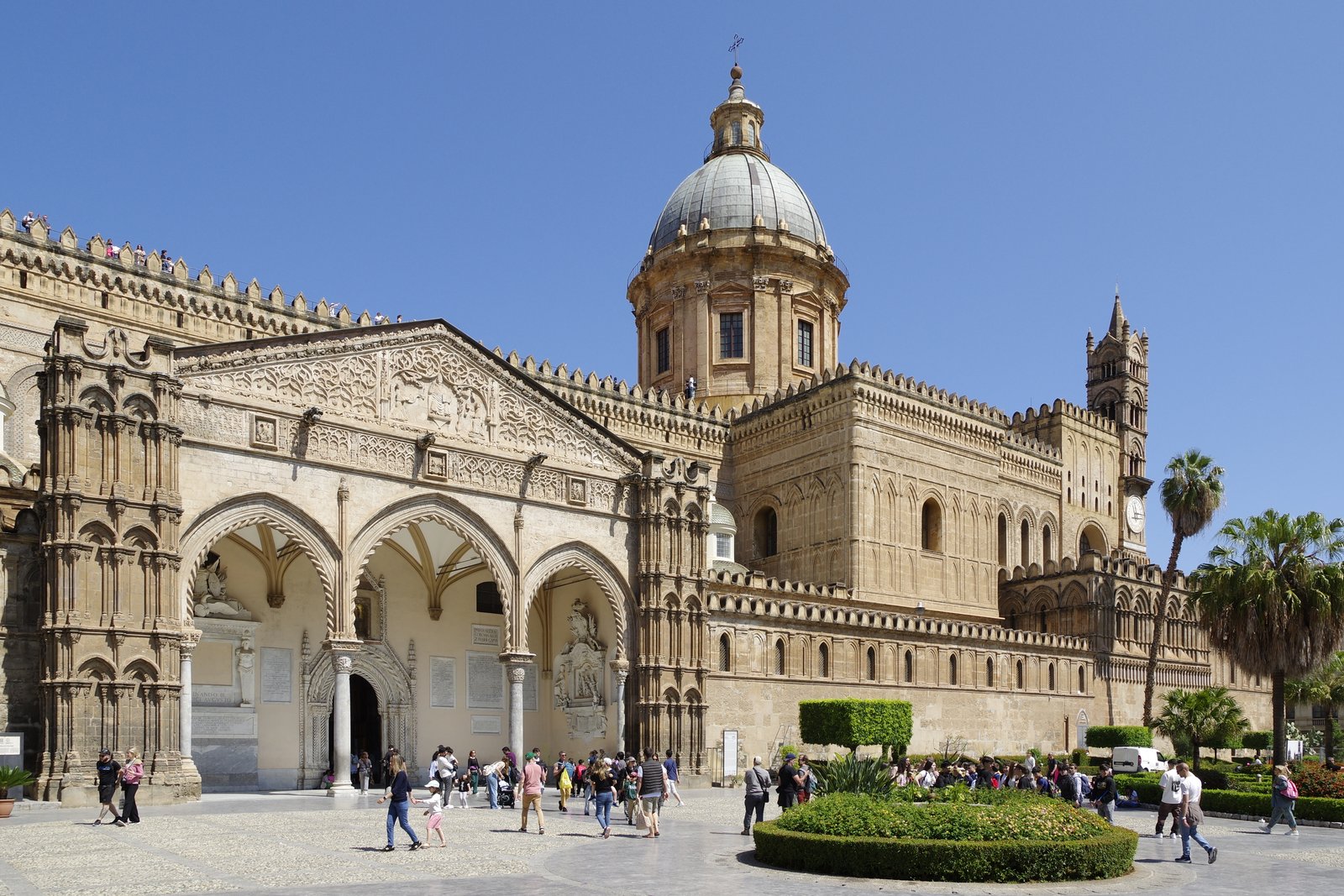
Palermo Cathedral: Eight Centuries of Sicilian History in Stone
Palermo Cathedral blends Norman, Gothic, Islamic, and Neoclassical styles across eight centuries, and holds the porphyry tombs of Sicily's medieval kings.
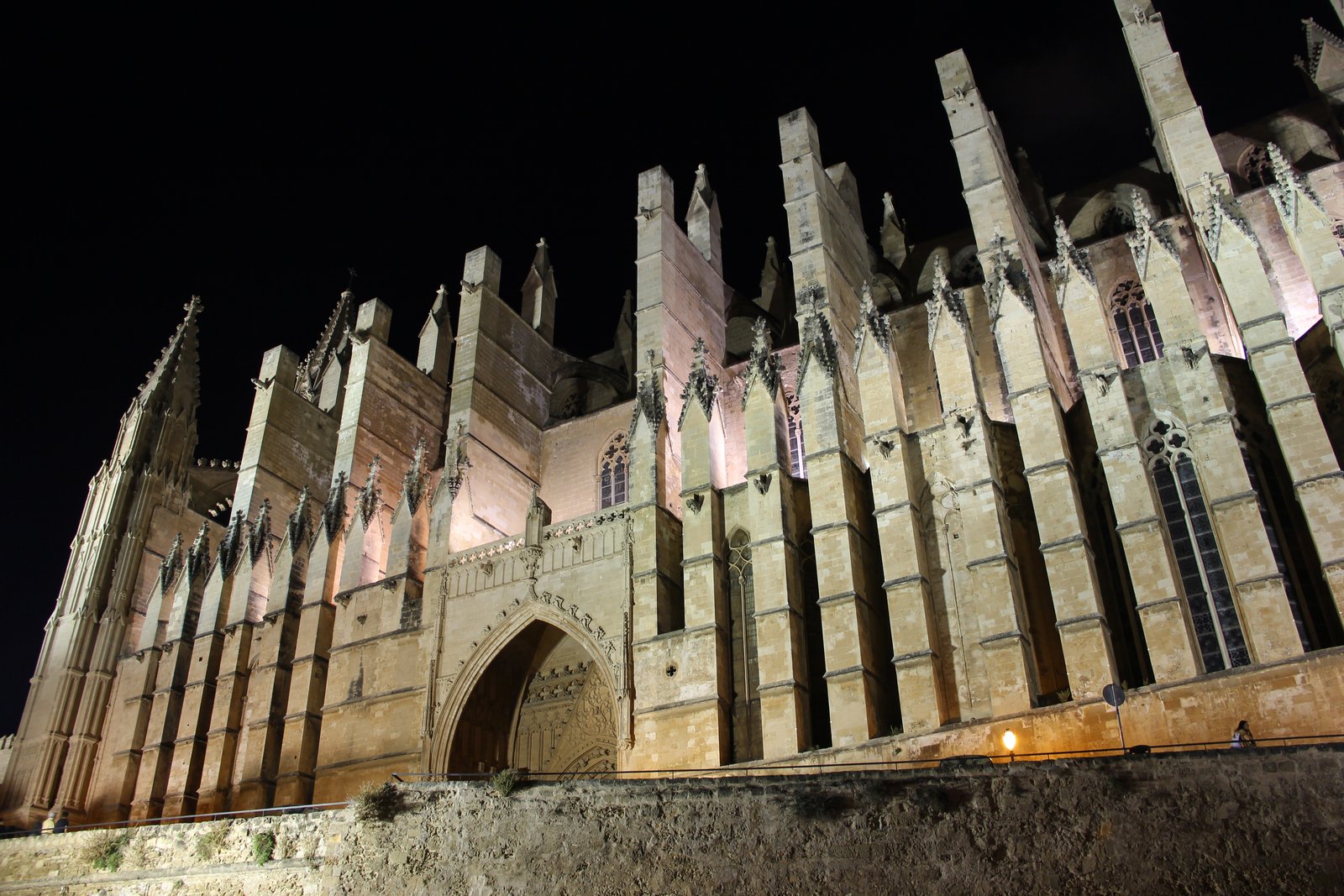
Palma de Mallorca Cathedral (La Seu)
La Seu, Palma de Mallorca's seaside Gothic cathedral, holds one of the world's largest rose windows and an interior later reshaped by architect Antoni Gaudí.
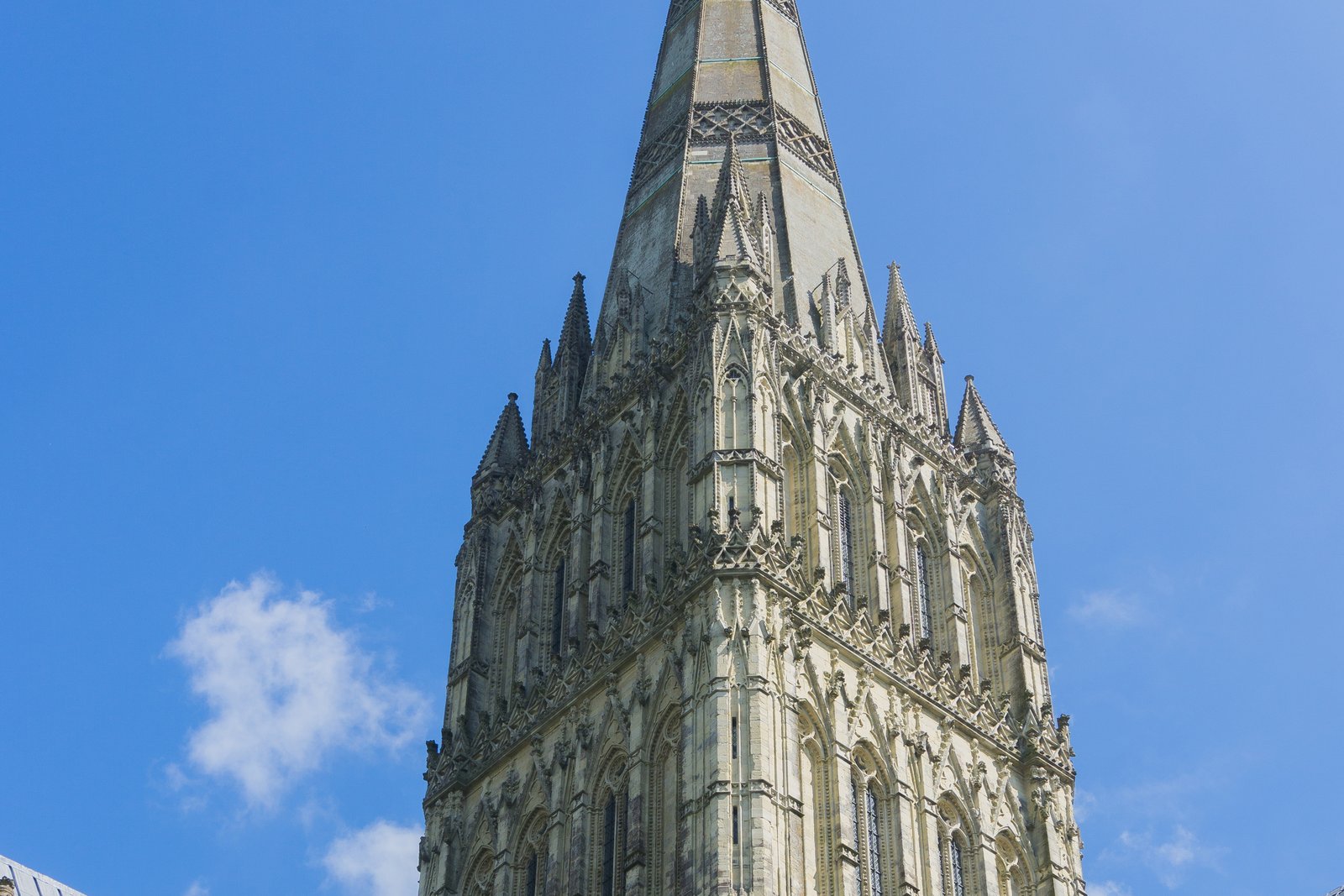
Salisbury Cathedral: Britain's Tallest Spire
Salisbury Cathedral holds an original 1215 Magna Carta and Europe's oldest working mechanical clock beneath Britain's tallest church spire, at 404 feet.
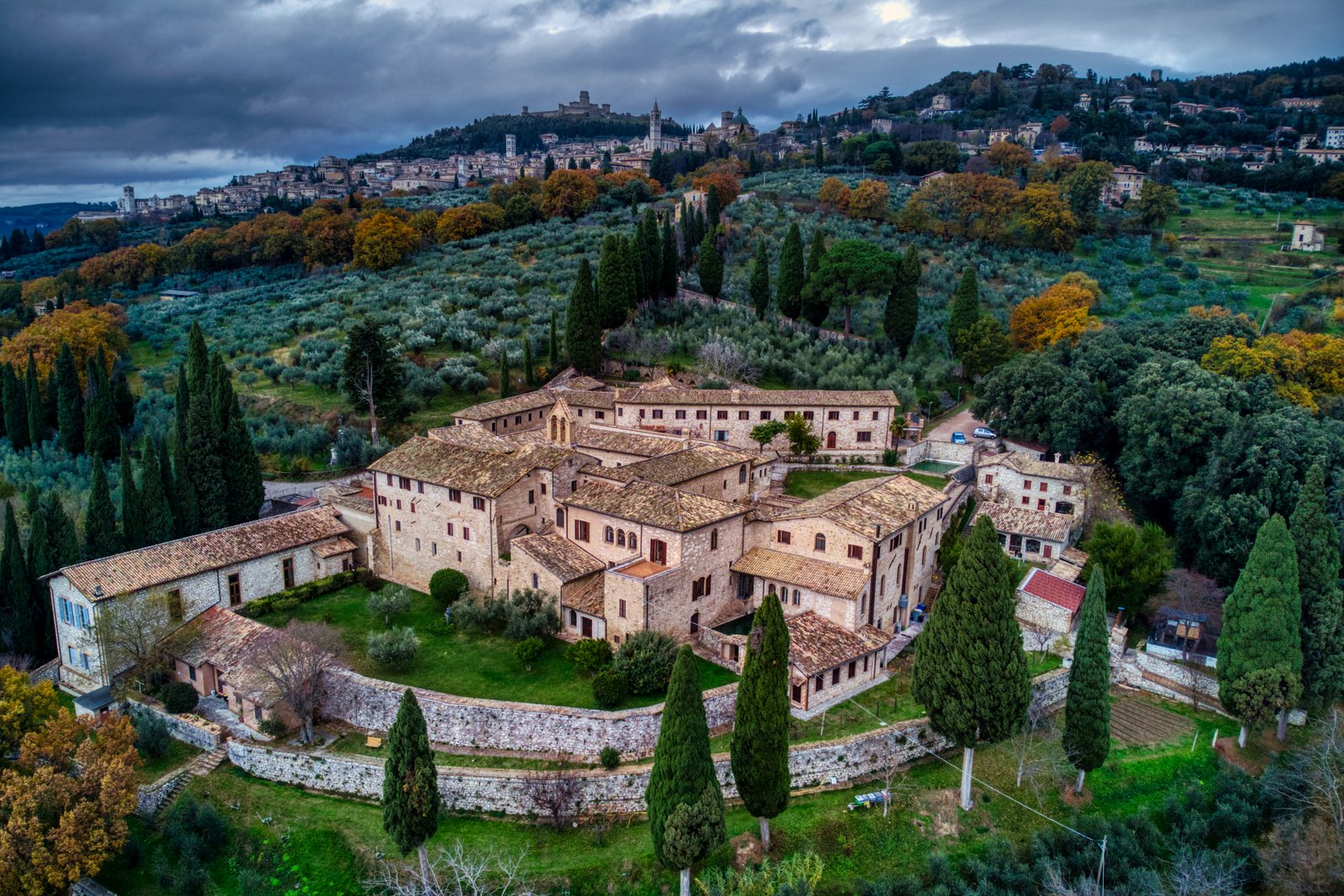
San Damiano, Assisi
A crumbling chapel outside Assisi is where a painted crucifix reportedly spoke to Francis, and where Clare later founded the Poor Clares among its ruins.
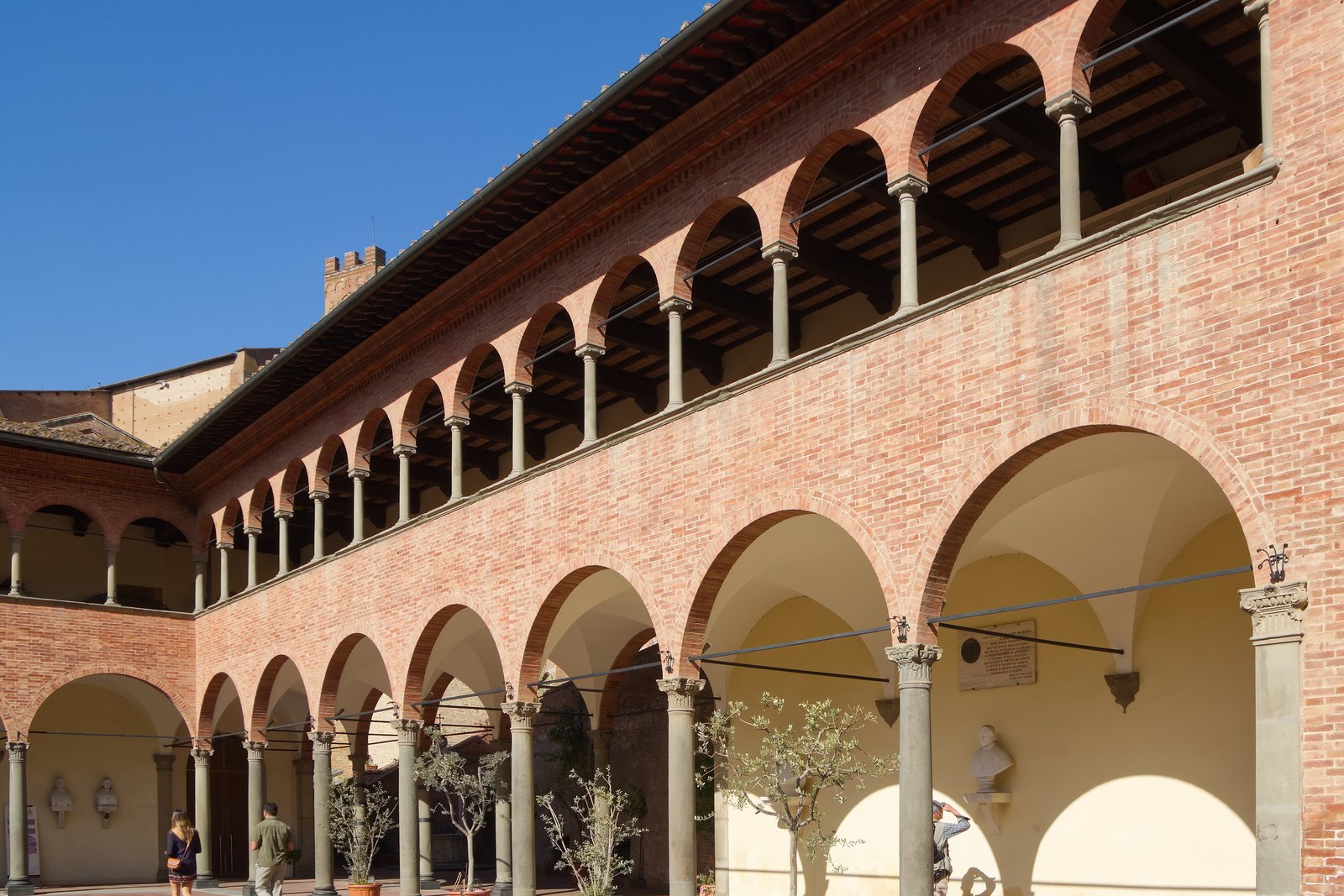
Siena and the Sanctuary of Saint Catherine
Catherine of Siena's childhood home in Tuscany became a sanctuary built over her actual rooms, while her severed head, kept separately, rests across the city.
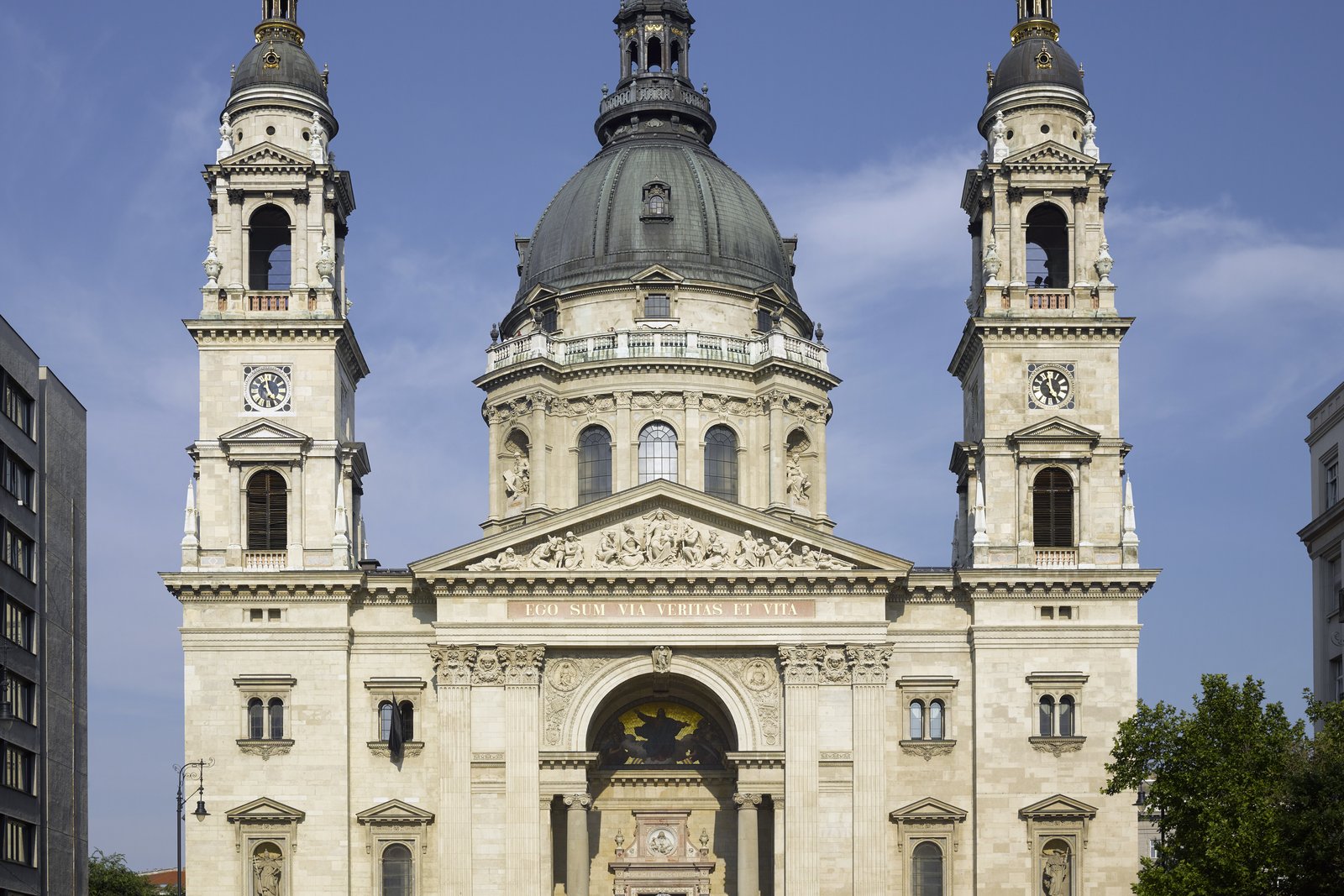
St. Stephen's Basilica, Budapest
St. Stephen's Basilica in Budapest houses the mummified right hand of King Stephen, Hungary's founding king and patron saint, inside a jeweled reliquary chapel.
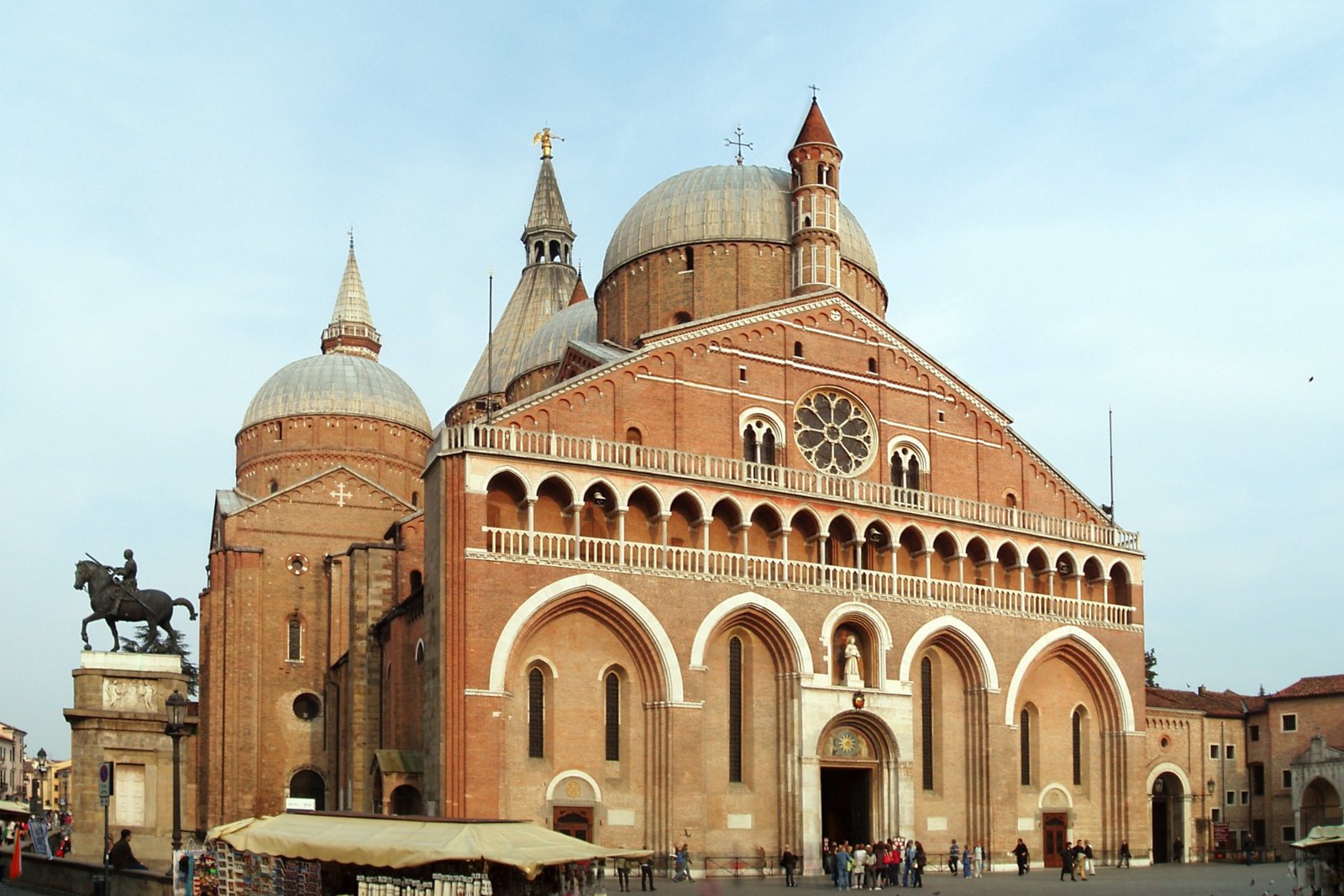
The Basilica of Saint Anthony, Padua
The Basilica of Saint Anthony in Padua houses the saint's incorrupt tongue and jaw relics, and draws millions of pilgrims each year to Italy's beloved Il Santo.
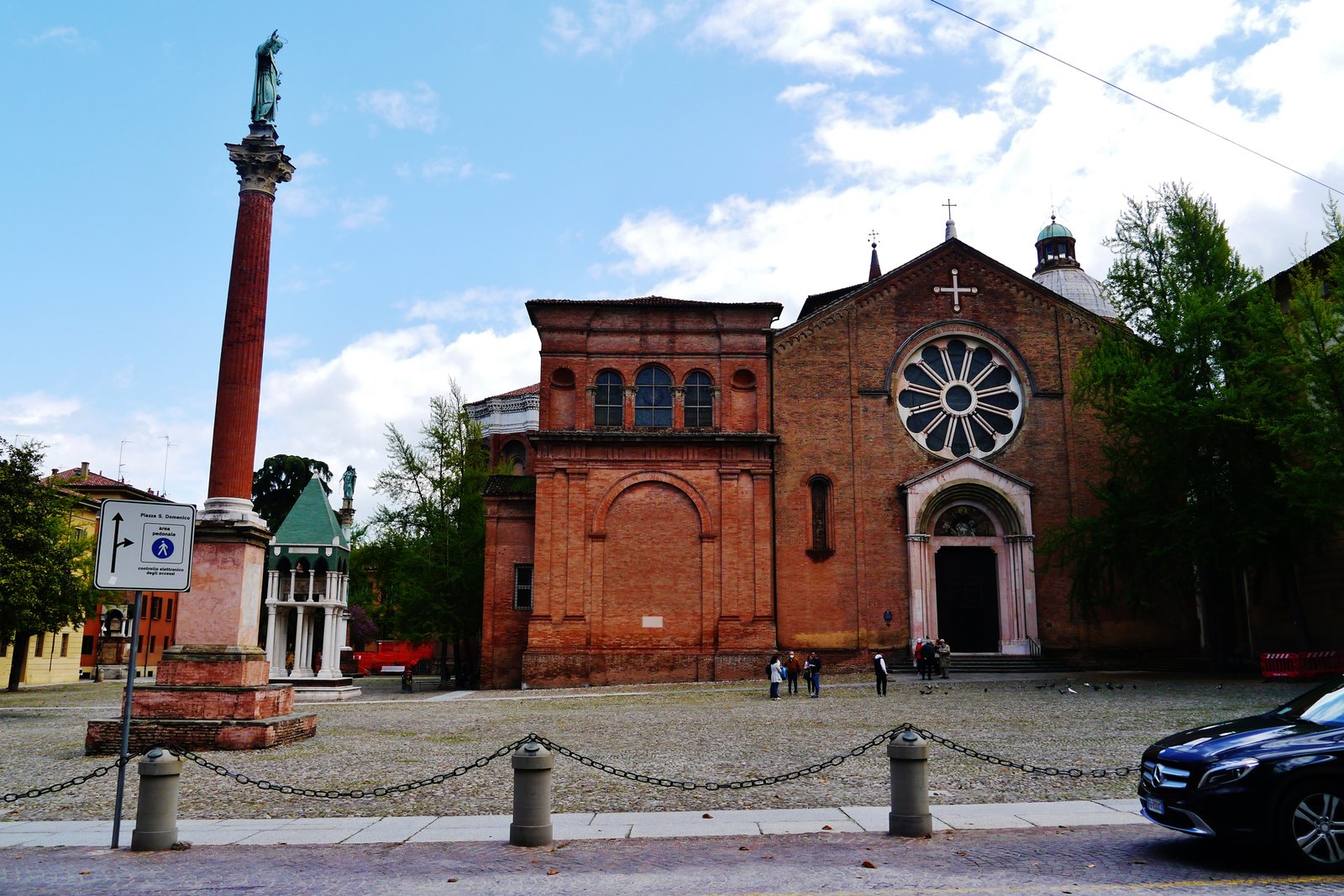
The Basilica of Saint Dominic, Bologna
The Basilica of Saint Dominic in Bologna holds the founder of the Dominican Order's tomb, its marble carved by Nicola Pisano and a teenage Michelangelo.
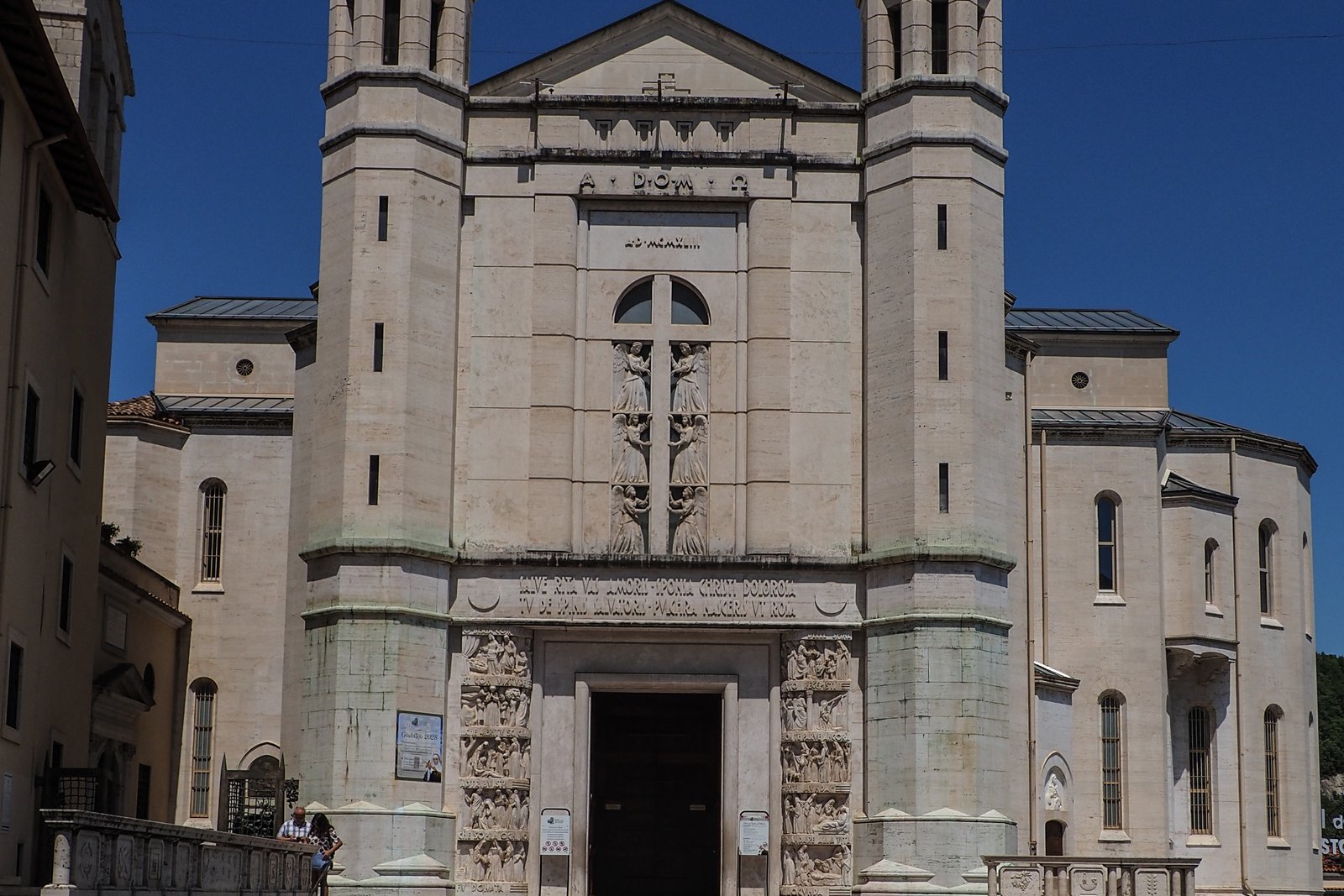
The Basilica of Saint Rita, Cascia
Saint Rita of Cascia bore a mysterious forehead wound for 15 years before her death, and her body still lies visible and unaltered in this Umbrian basilica.
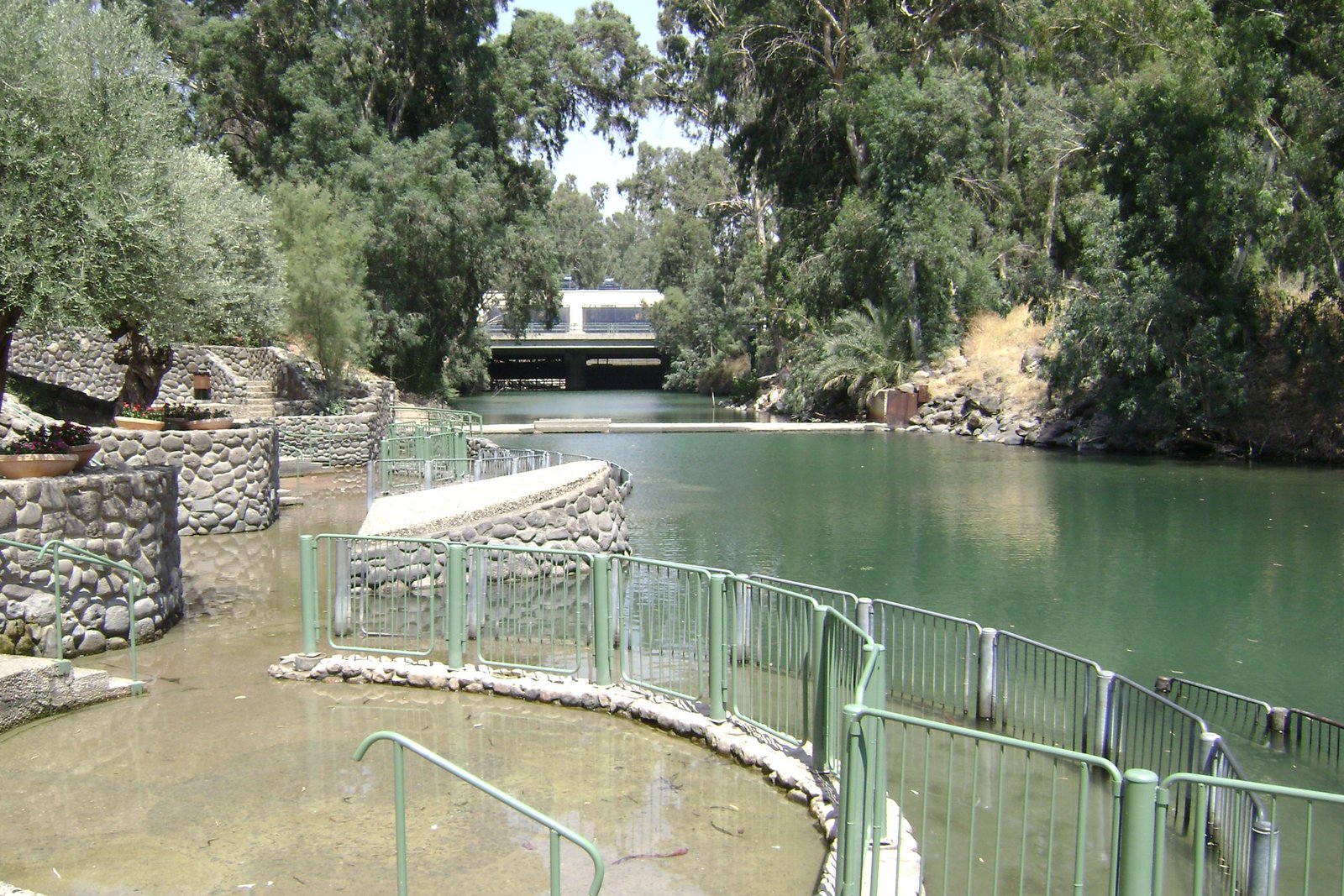
The Jordan River: Where Jesus Was Baptized
The Jordan River is where John the Baptist baptized Jesus, a moment marked by a voice from heaven and still commemorated by pilgrims at the river today.
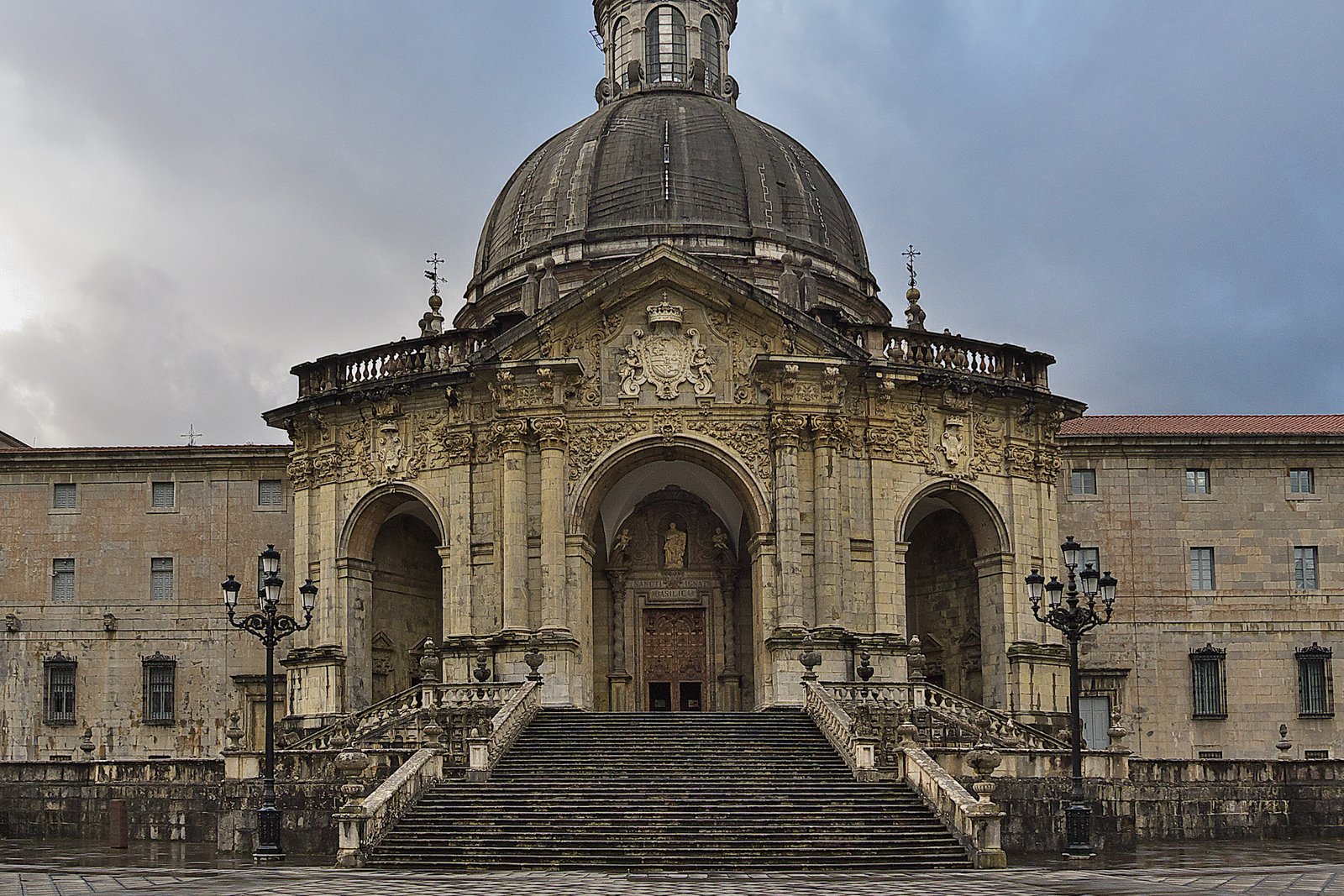
The Sanctuary of Loyola
A cannonball shattered Ignatius of Loyola's leg in 1521, and the Basque castle where he recovered is now a baroque basilica built around his birth room.
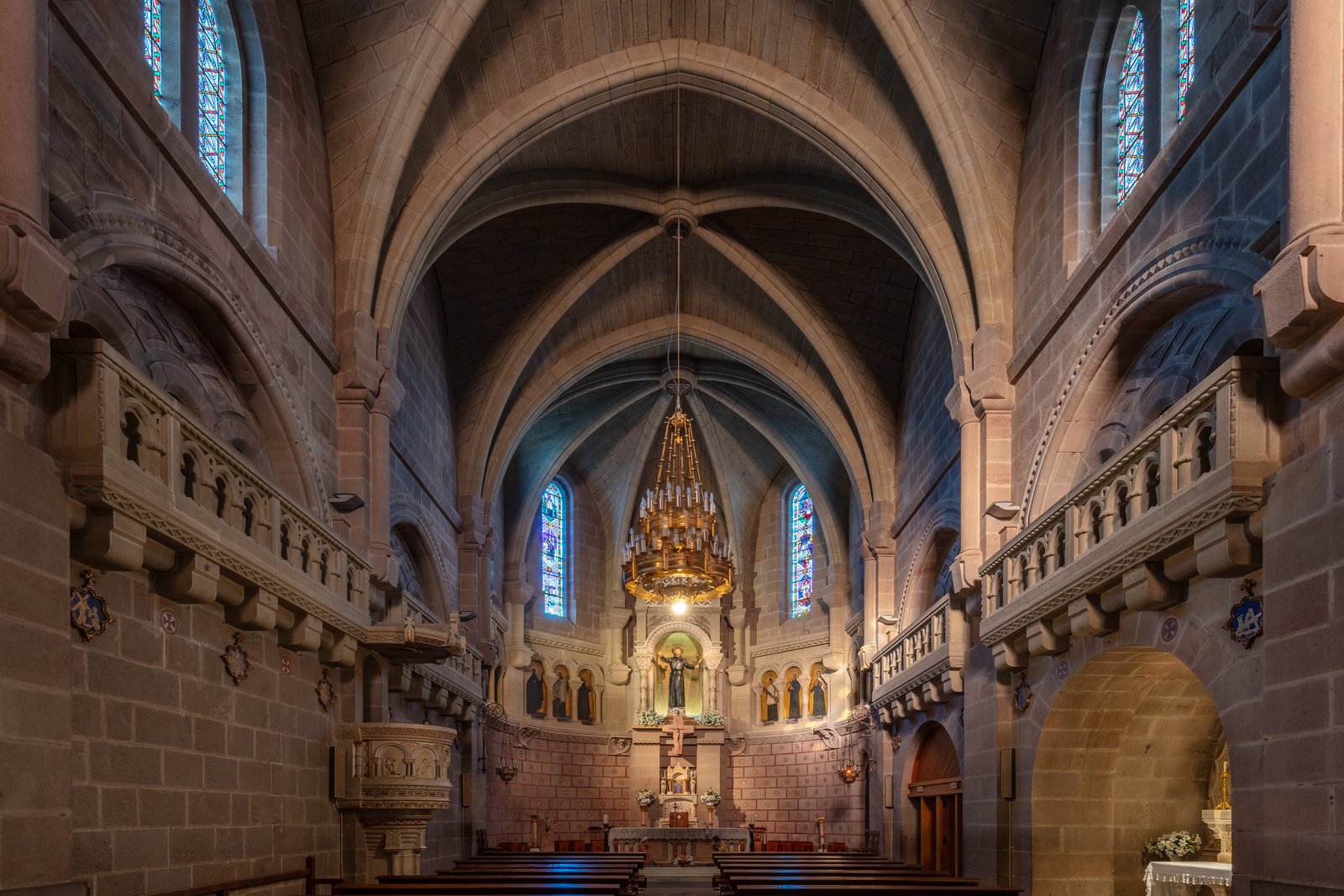
Xavier Castle: Birthplace of Saint Francis Xavier
Xavier Castle in Navarre, Spain, birthplace of the missionary who evangelized across Asia, was partly demolished by Spanish royal order in punishment.
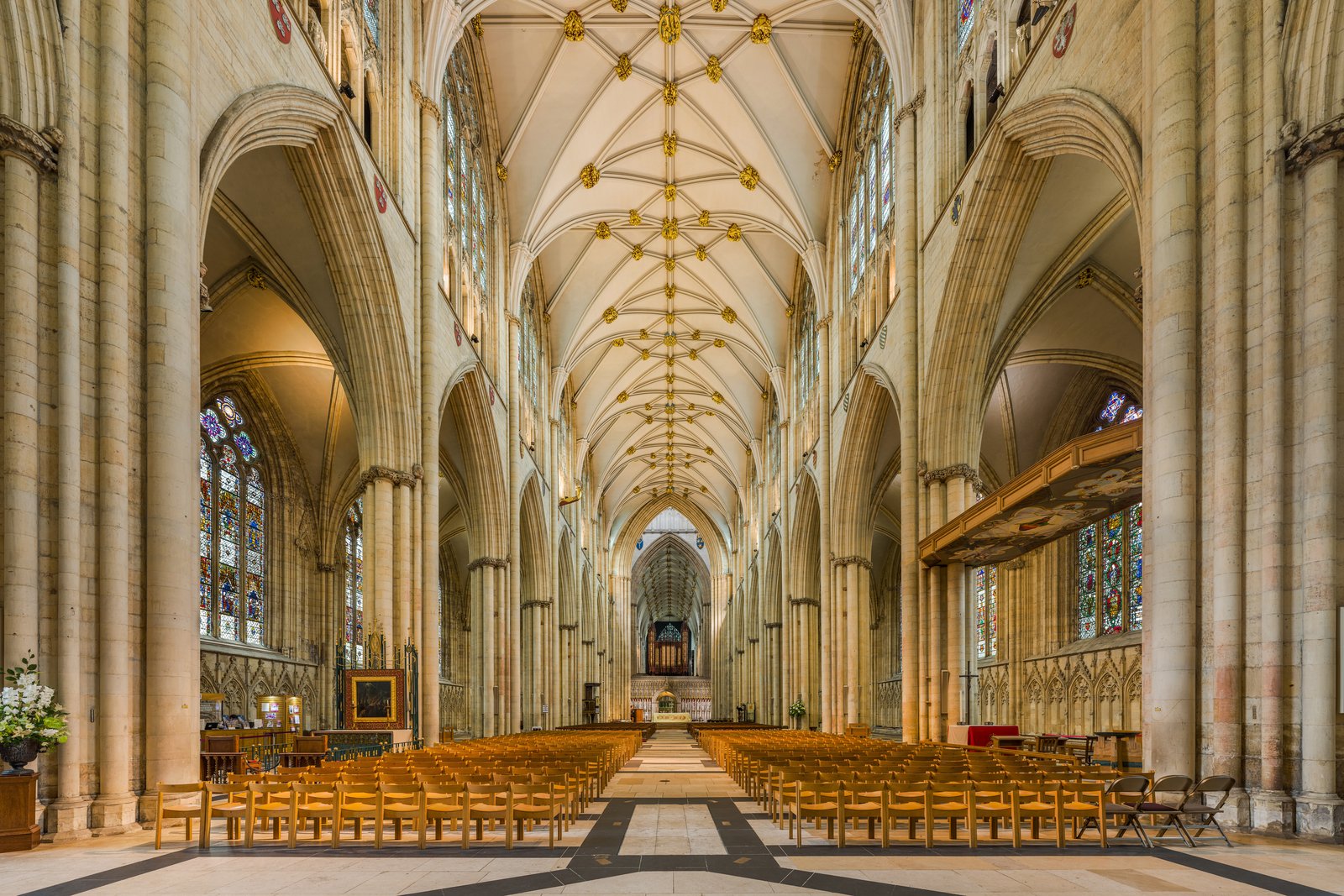
York Minster: Northern Europe's Largest Gothic Cathedral
York Minster, the largest Gothic cathedral in Northern Europe, holds the Great East Window — the world's largest surviving medieval stained-glass window.
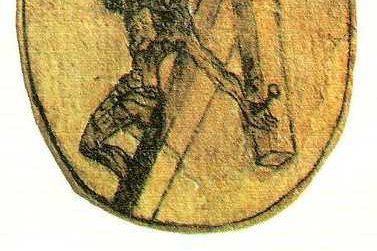
Salvador Dalí's Christ of Saint John of the Cross
Dalí painted Christ from directly above, floating over a dark bay — a composition he traced back to a tiny sixteenth-century sketch by a Spanish mystic.
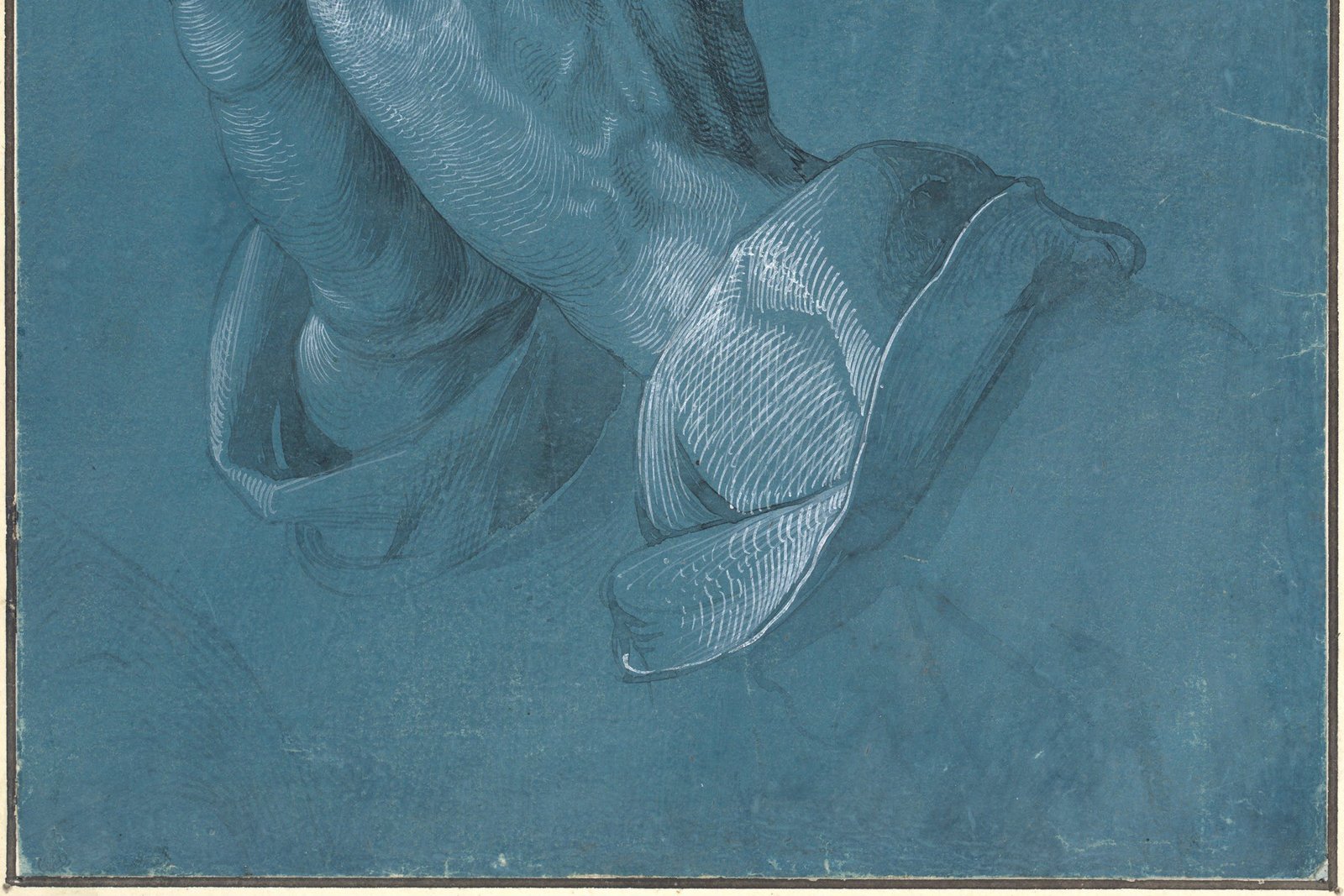
Dürer's Praying Hands
Albrecht Dürer's Praying Hands began as a small study for an altarpiece, then outgrew it to become one of the most reproduced religious images ever made.
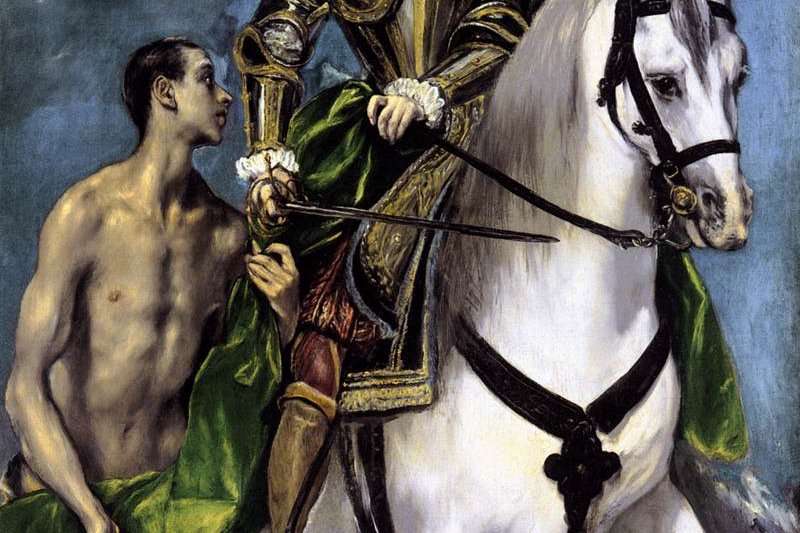
El Greco's Saint Martin and the Beggar
El Greco painted a Roman soldier's act of charity with Toledo rising in the background, stretching a fourth-century story across sixteenth-century Spain.
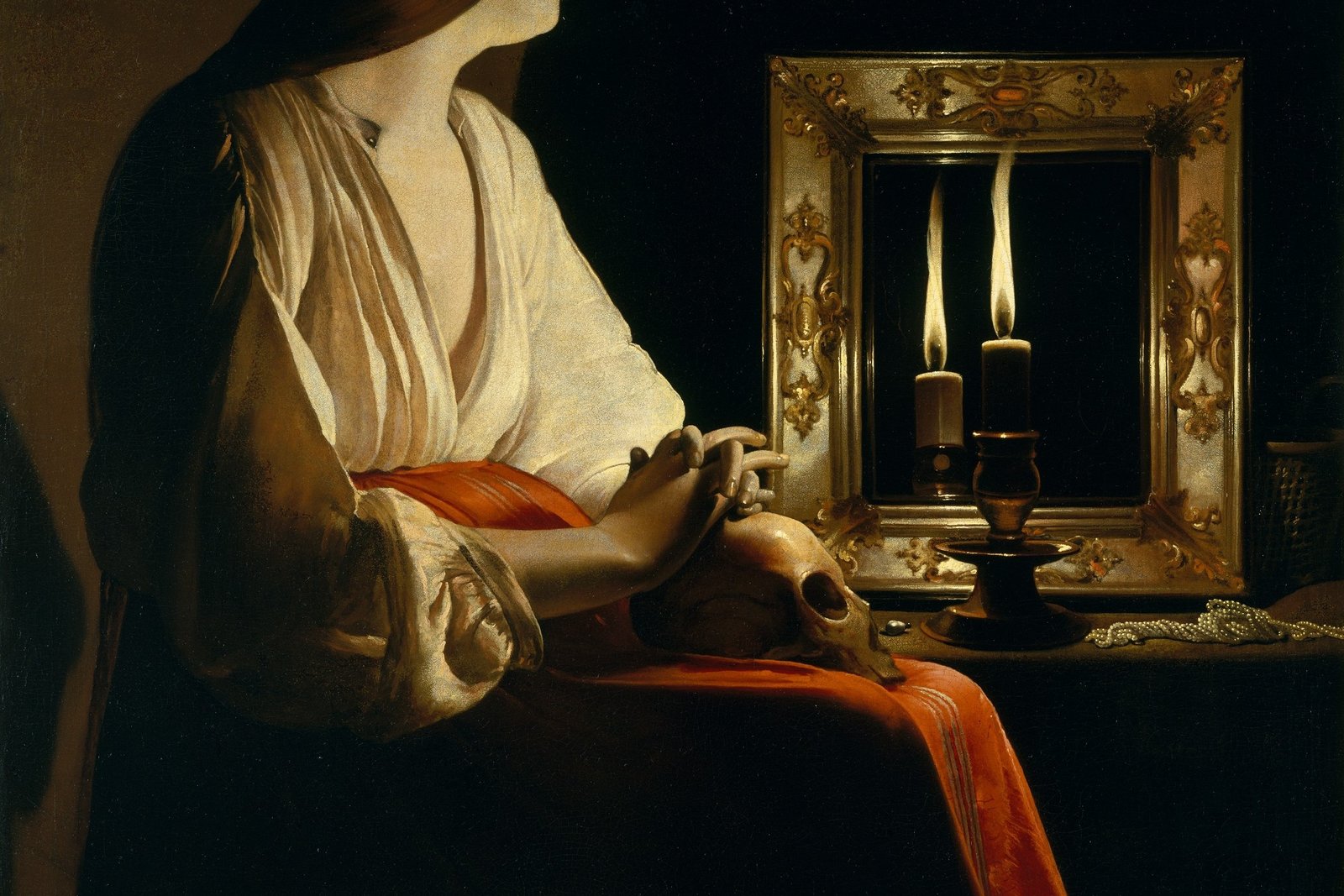
Georges de La Tour's Penitent Magdalene
Georges de La Tour painted Mary Magdalene alone by candlelight, staring into a mirror and a skull — repentance rendered in near-total, quiet darkness.
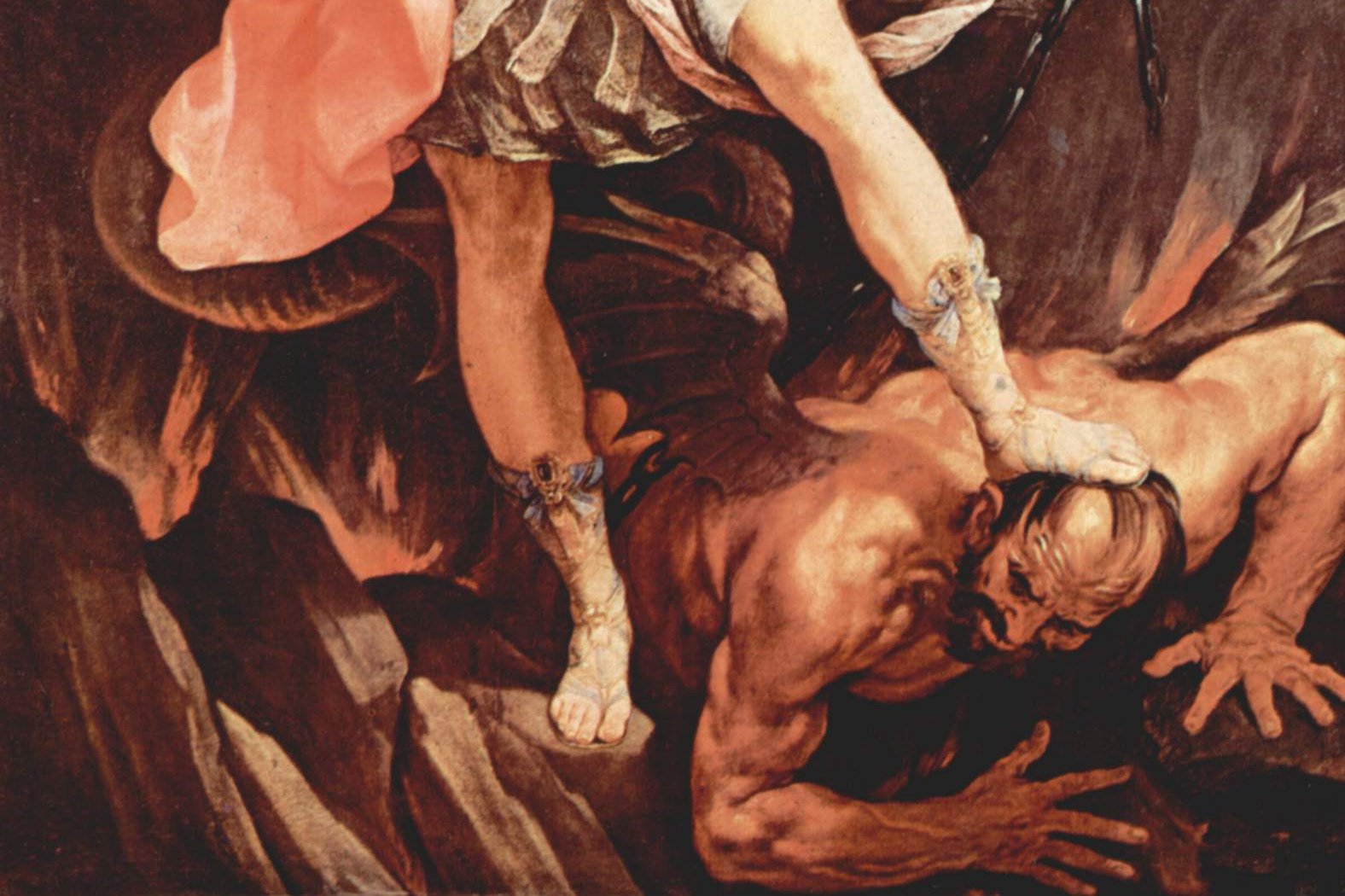
Guido Reni's Saint Michael the Archangel
Guido Reni's 1636 Archangel Michael became the standard image an entire tradition of devotional art copied — and reportedly settled a personal grudge along the way.
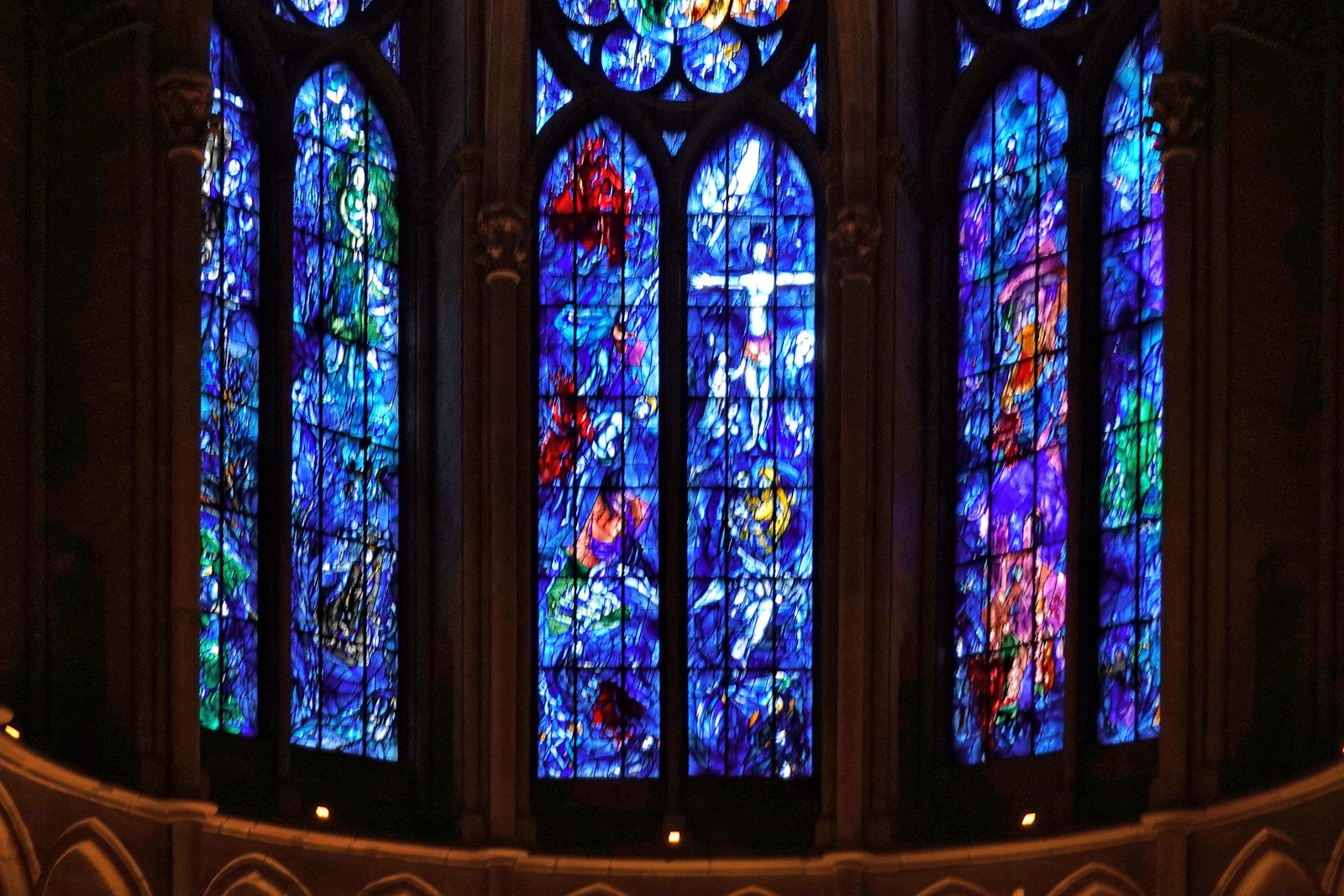
Marc Chagall's Stained Glass Windows
Marc Chagall spent his final decades designing stained glass for churches and synagogues across Europe and America, a medium he treated as painting with light.
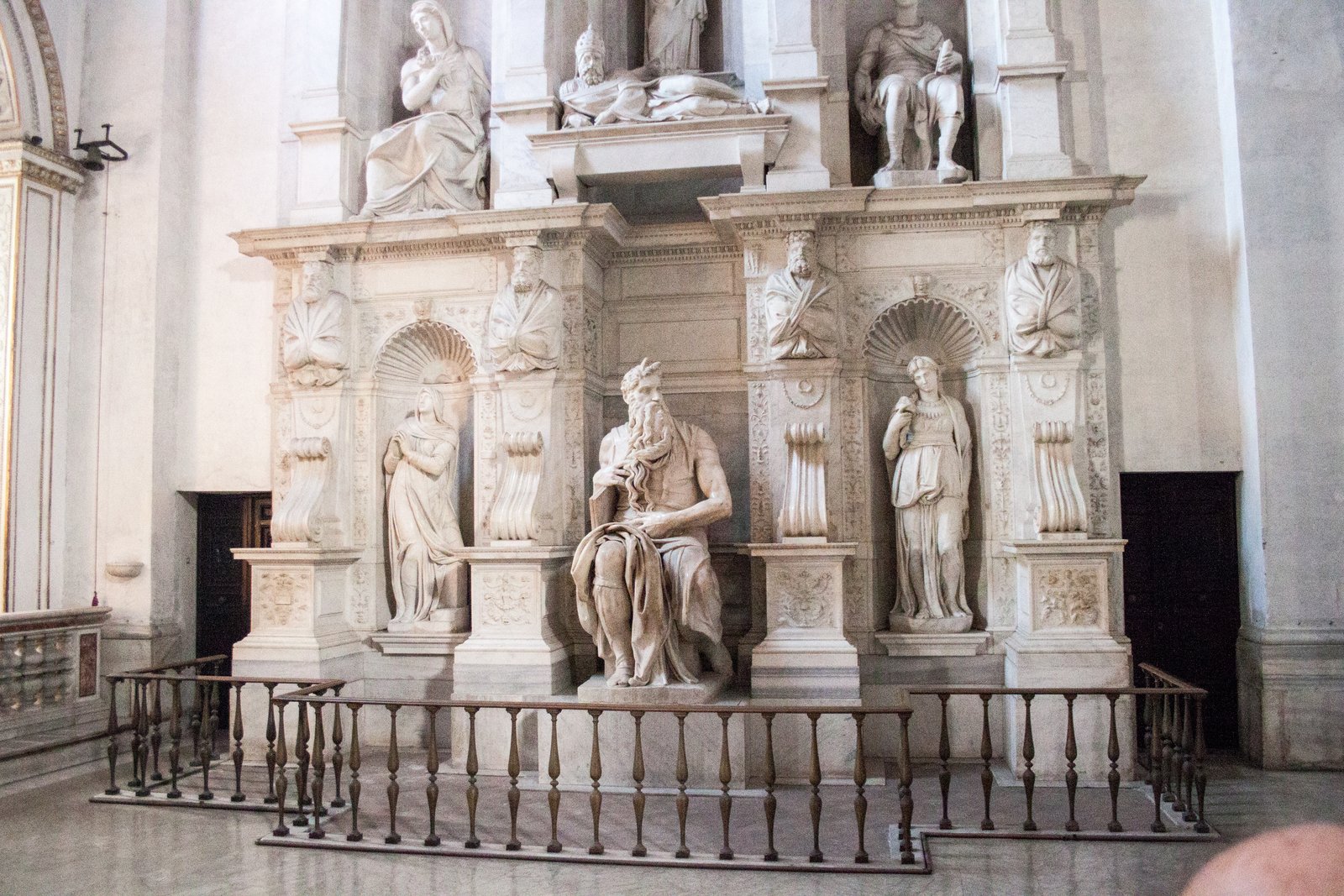
Michelangelo's Moses
Michelangelo carved a seated Moses with two small horns on his head — a detail traced not to legend, but to a centuries-old mistranslation of biblical Hebrew.