
Blog
Stories of saints, biblical events, angels, and sacred places.
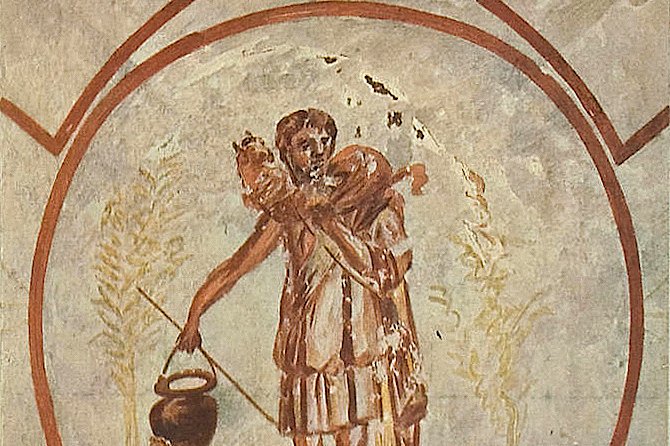
The Catacomb Paintings of Rome: Christianity's First Visual Language
Deep beneath ancient Rome, persecuted Christians painted the Good Shepherd and coded symbols of hope on tomb walls — the earliest surviving Christian art.
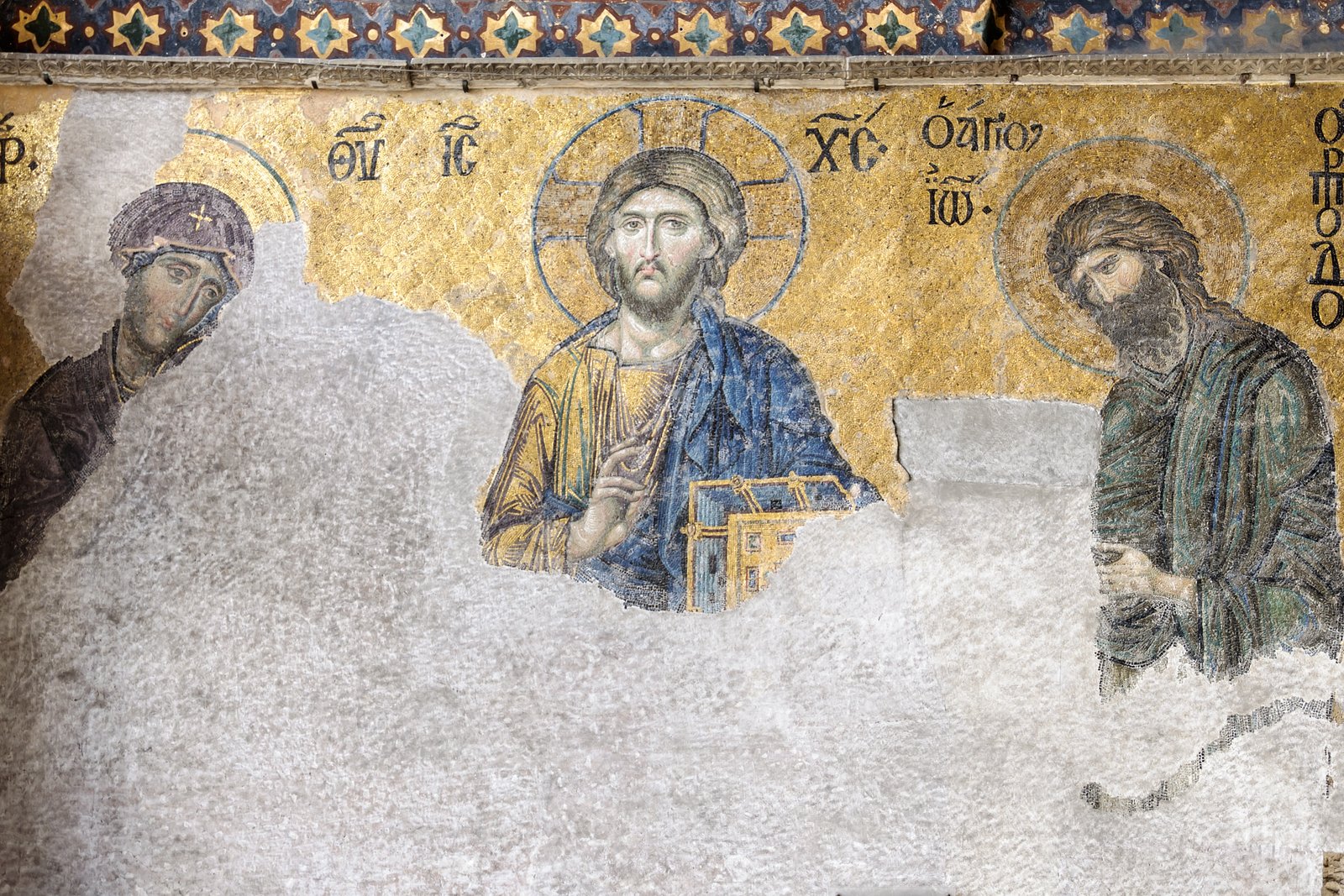
The Hagia Sophia Mosaics: Gold Ceilings Above Empires in Flux
How the mosaics of Constantinople's great cathedral survived iconoclasm, conquest, and conversion, buried and revealed again across fifteen centuries.
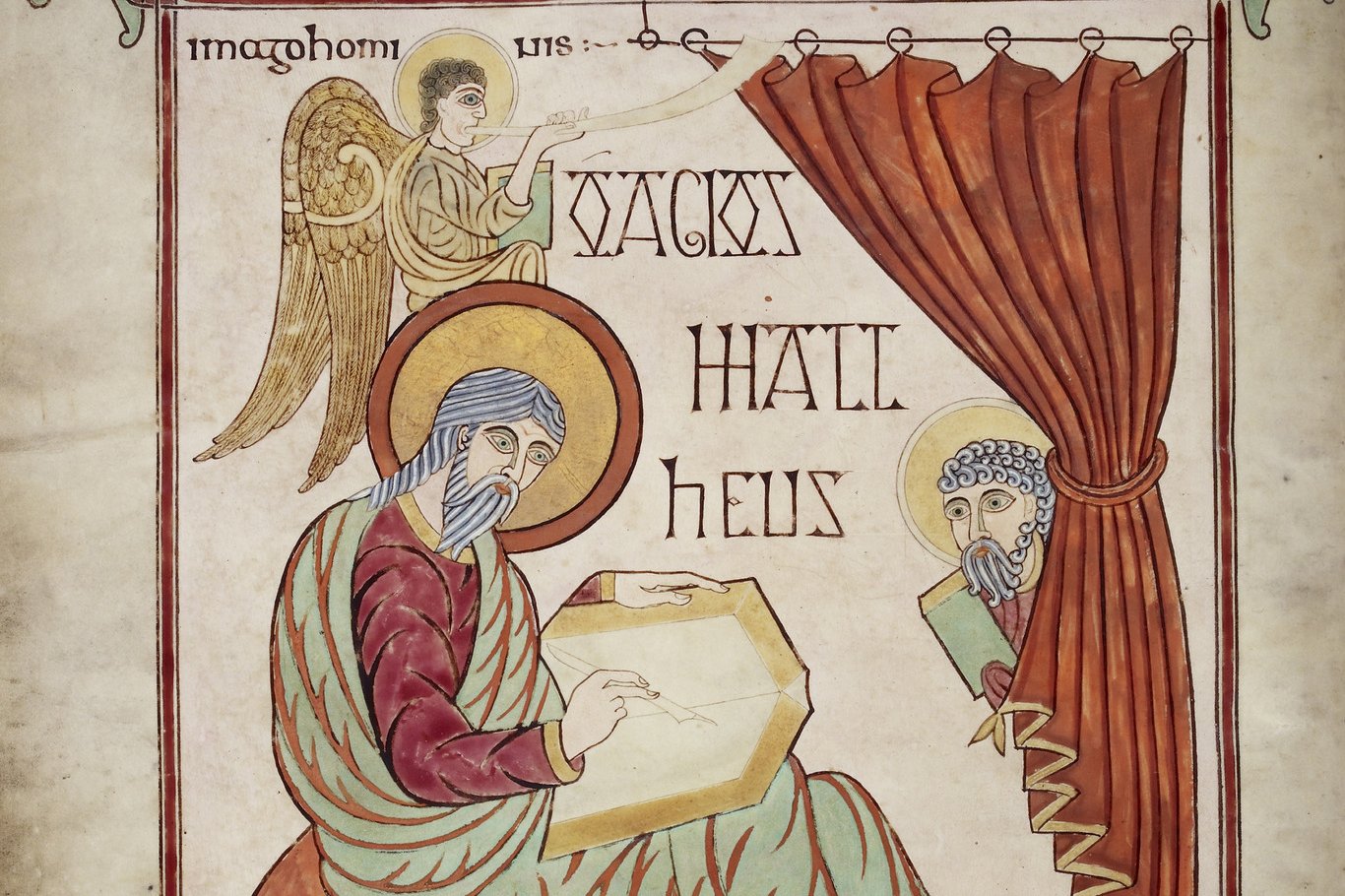
The Lindisfarne Gospels: One Monk's Solitary Masterpiece
How a single Northumbrian monk, working alone on a windswept tidal island, produced one of the most technically astonishing illuminated manuscripts in history.
Zurbarán's Saints: Sculptural Stillness in Golden Age Spain
How Francisco de Zurbarán painted monks and virgin martyrs with sculptural stillness, becoming the favored painter of Spain's austere Golden Age religious orders.
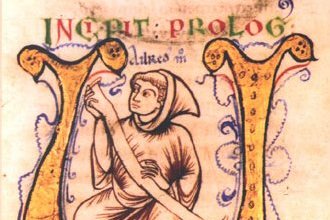
Saint Aelred of Rievaulx
A Scottish royal court official became a Cistercian abbot and wrote one of the medieval Church's most sympathetic treatises on the value of close friendship.
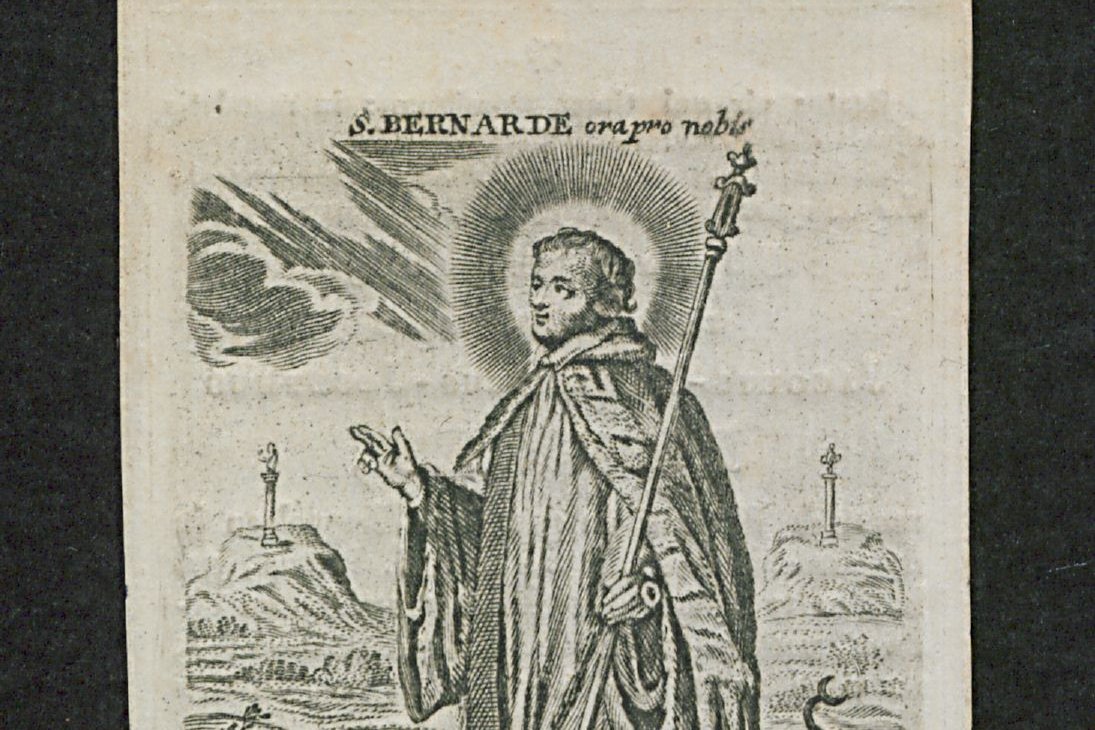
Saint Bernard of Menthon
An 11th-century Alpine archdeacon built two rescue hospices on deadly mountain passes, and centuries later a dog breed developed there was named after him.
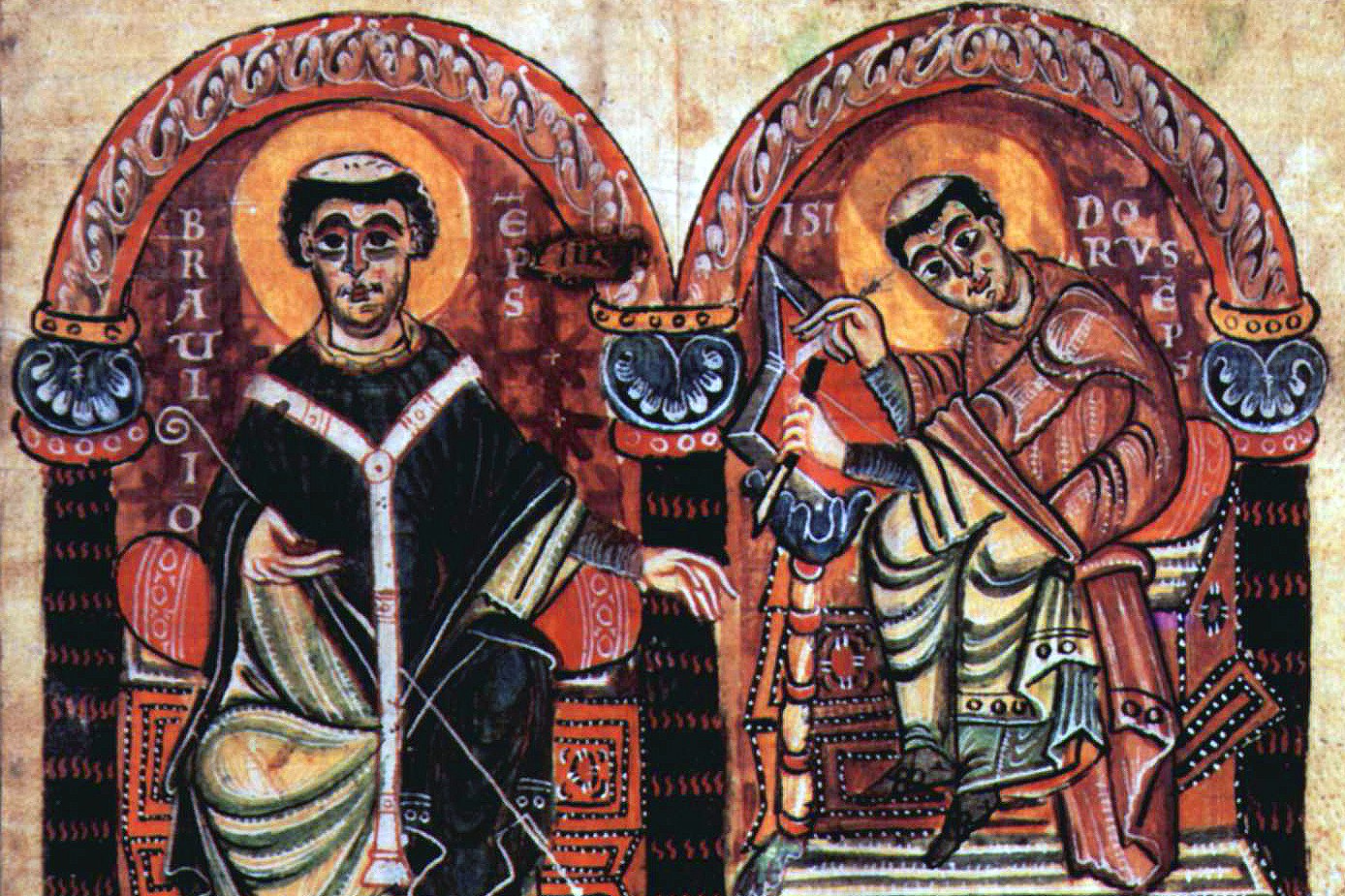
Saint Braulio of Zaragoza
A Visigothic bishop badgered his dying mentor for years to finish an encyclopedia — then edited and published it himself once Isidore of Seville was gone.
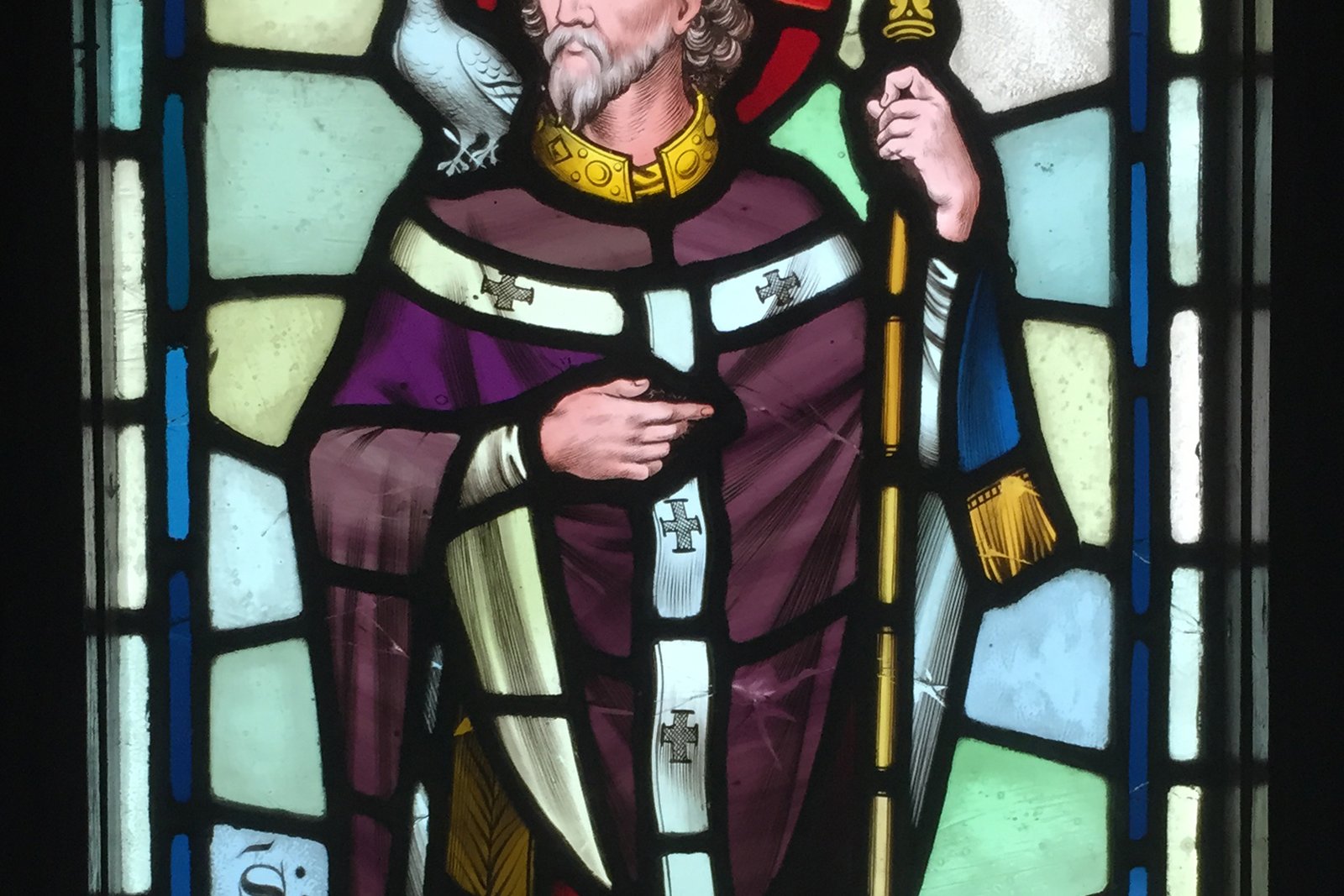
Saint David of Wales
A 6th-century Welsh monk supposedly made the ground rise beneath him mid-sermon so a crowd could see and hear him — his last words still shape a national motto.

Saint Edmund of Abingdon
An Oxford-trained archbishop clashed so badly with King Henry III over Church appointments that he left England and died in exile before reaching sixty.
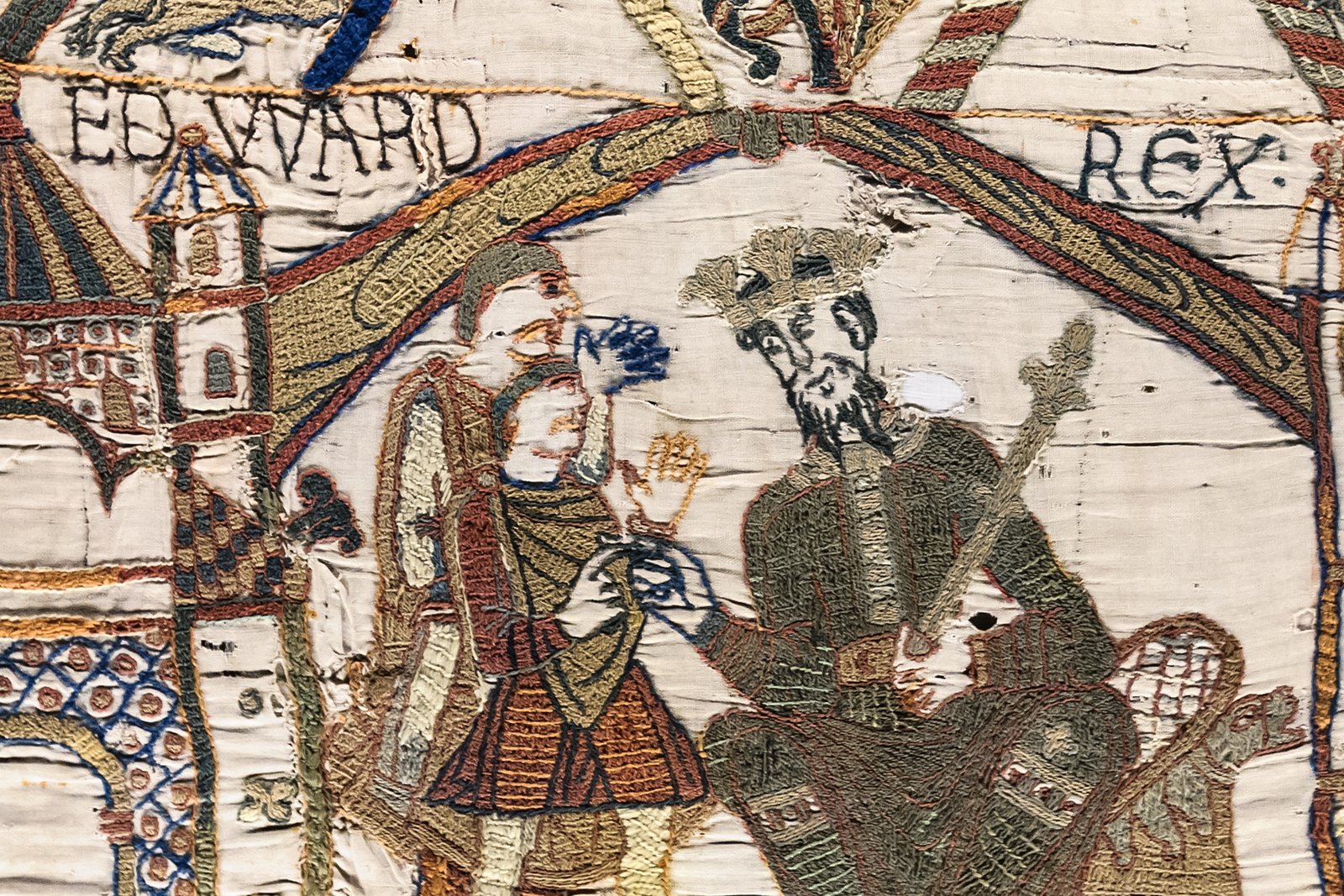
Saint Edward the Confessor
The last crowned Anglo-Saxon king of England built Westminster Abbey, died childless within days of its consecration, and triggered the Norman Conquest.
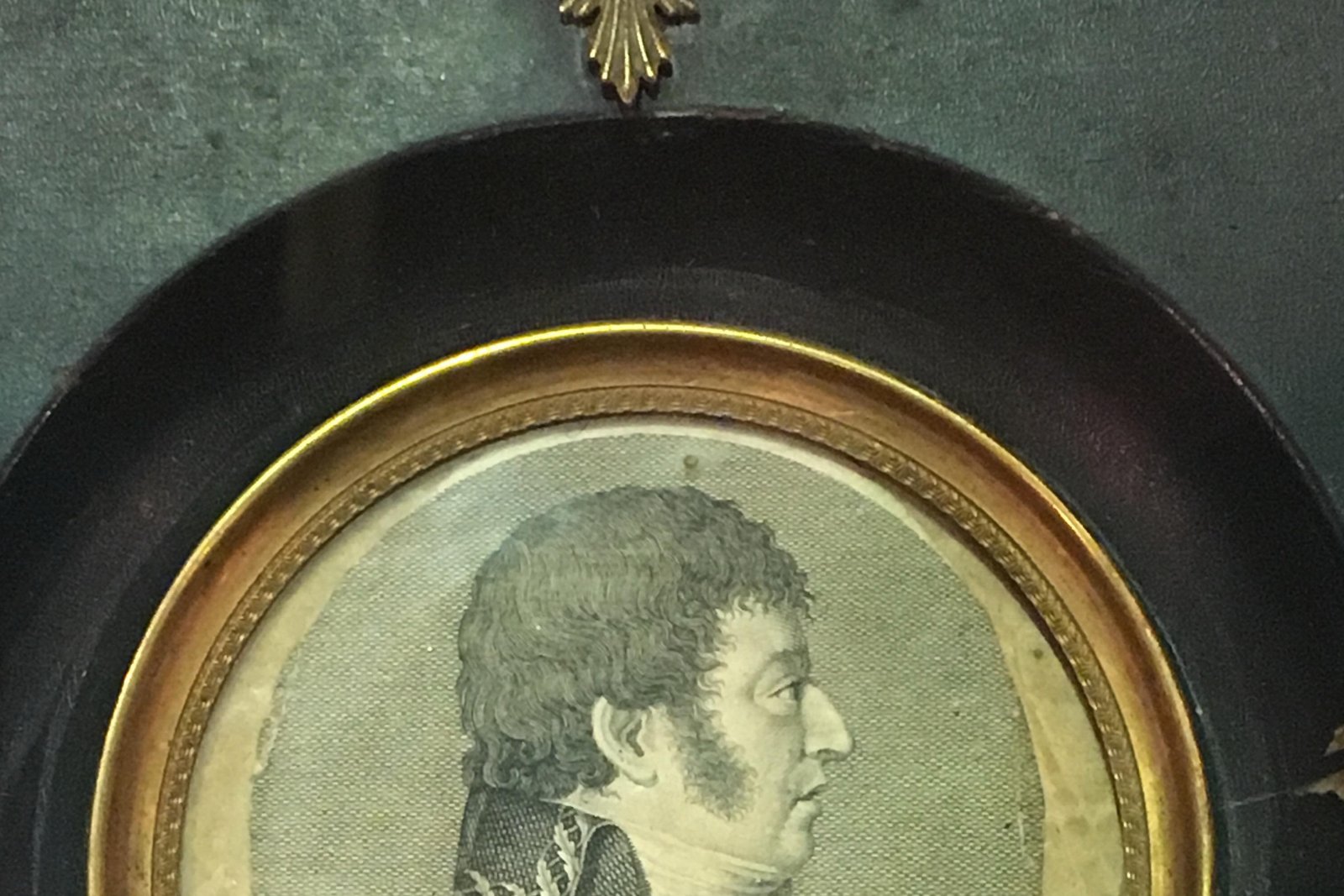
Saint Francisco Solano
A Spanish friar walked thousands of miles across South America playing a violin, converting entire indigenous communities through music rather than argument.
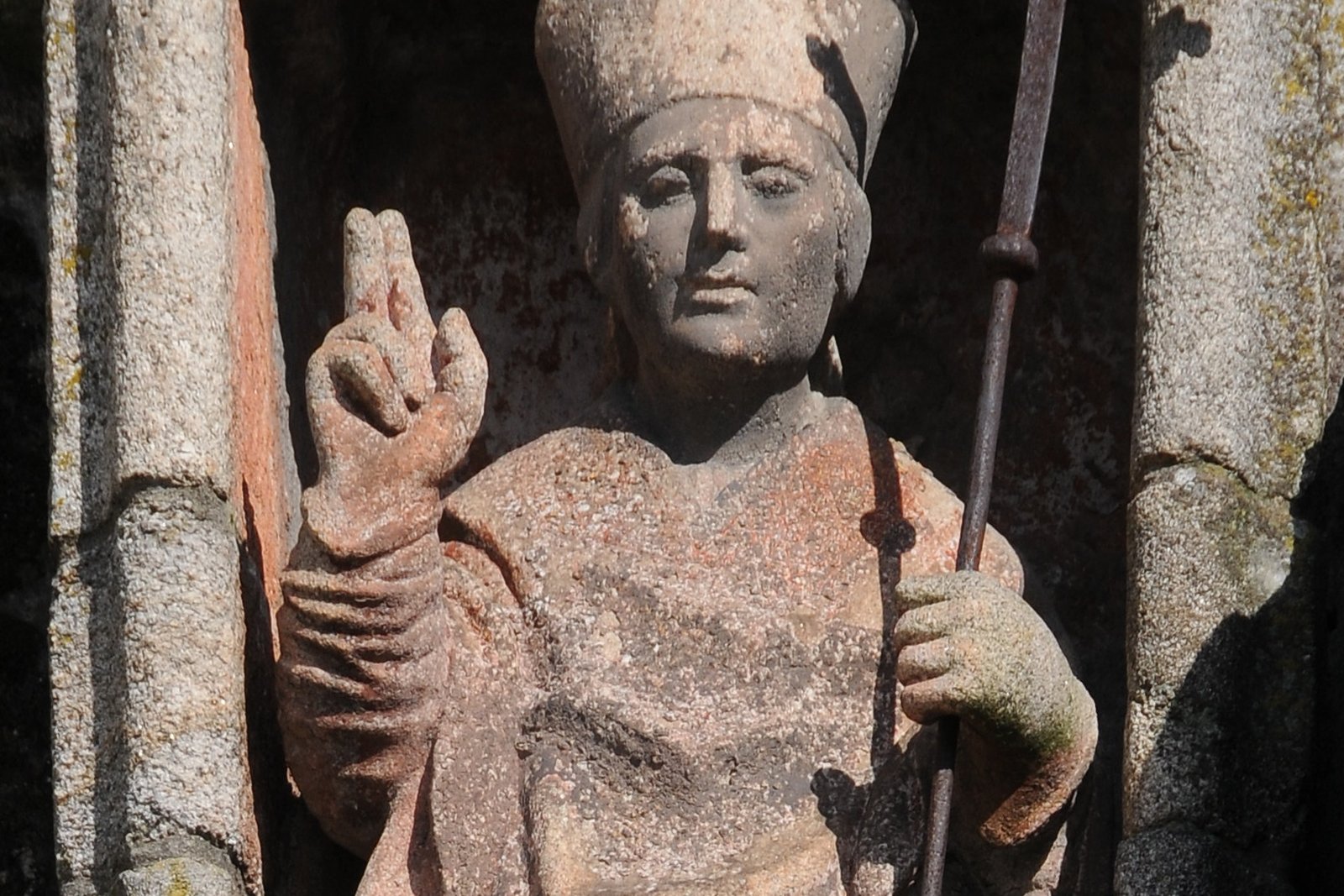
Saint Fructuosus of Braga
A Visigothic nobleman gave away an entire inheritance to found monasteries, then had to build one out in the wilderness just to escape the crowds following him.
Saint Gilbert of Sempringham
An English priest founded the only religious order to originate in medieval England, and lived past a hundred to defend it in court against his own lay brothers.
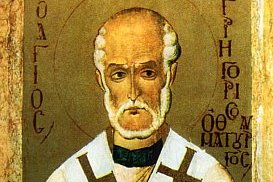
Saint Gregory Thaumaturgus
A 3rd-century bishop reportedly left a once mostly pagan Asia Minor city with just seventeen pagans remaining — his nickname literally means "wonder-worker."
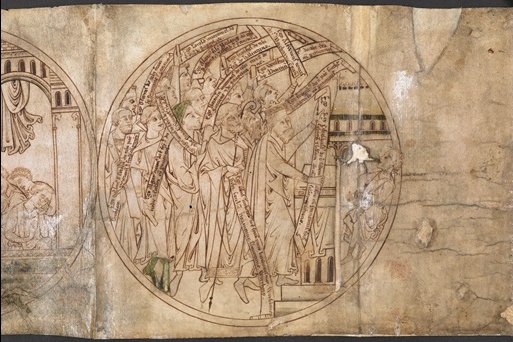
Saint Guthlac of Crowland
An Anglo-Saxon warrior gave up nine years of raiding to live alone in a Fenland burial mound, fighting demons instead of men for the rest of his life.
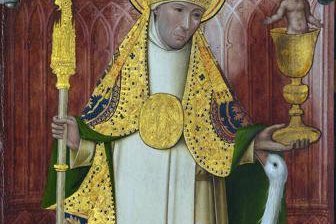
Saint Hugh of Lincoln
A French Carthusian monk told King Henry II to his face he had no right to seize Church property as bishop of Lincoln — and the king backed down, more than once.
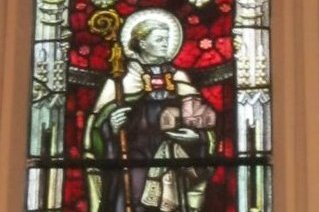
Saint Illtud
A former soldier turned monk ran one of early Britain's great centers of learning — training a generation of Welsh saints who scattered across the Christian west.
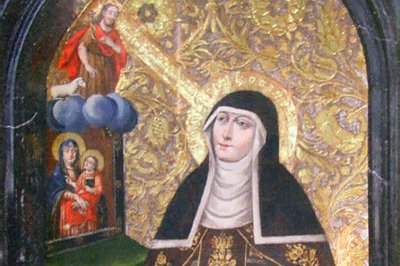
Saint Kinga of Poland
A Hungarian princess married a Polish duke, kept a lifelong vow of celibacy inside that marriage, and is still credited with discovering Poland's salt mines.
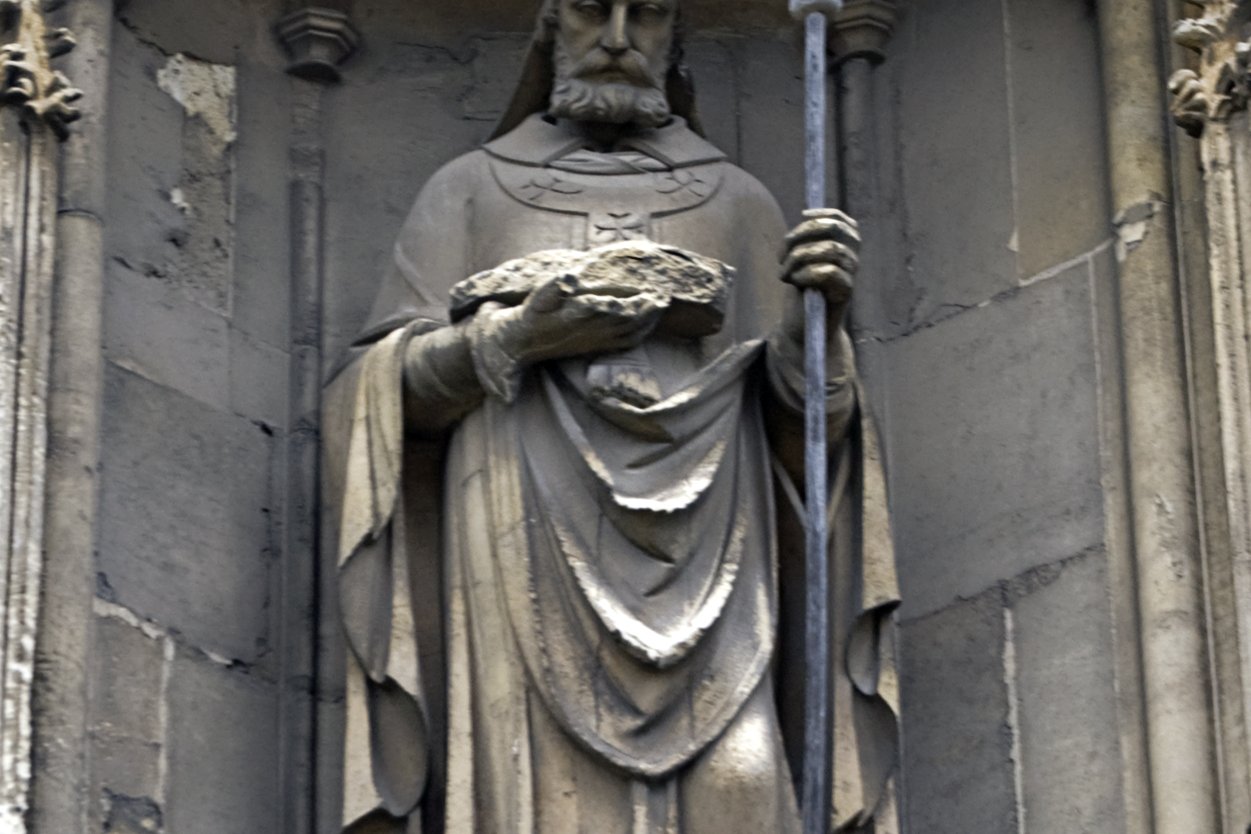
Saint Lanfranc of Canterbury
An Italian legal scholar became William the Conqueror's own archbishop of Canterbury, then rebuilt England's entire Church structure from the ground up after 1066.
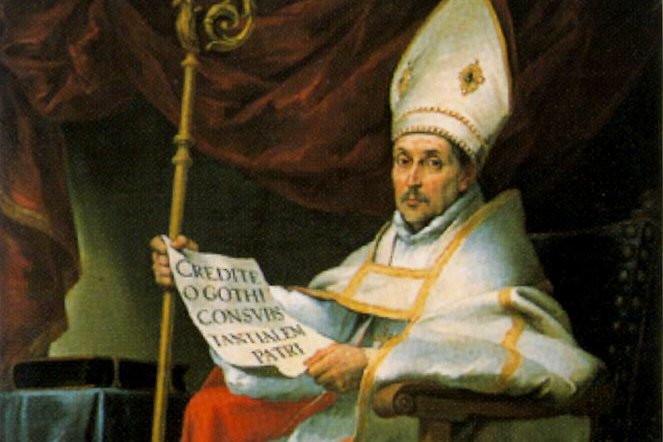
Saint Leander of Seville
A Spanish bishop personally converted a Visigothic prince who then died for his new Catholic faith — and helped talk an entire kingdom out of heresy soon after.