
Blog
Stories of saints, biblical events, angels, and sacred places.
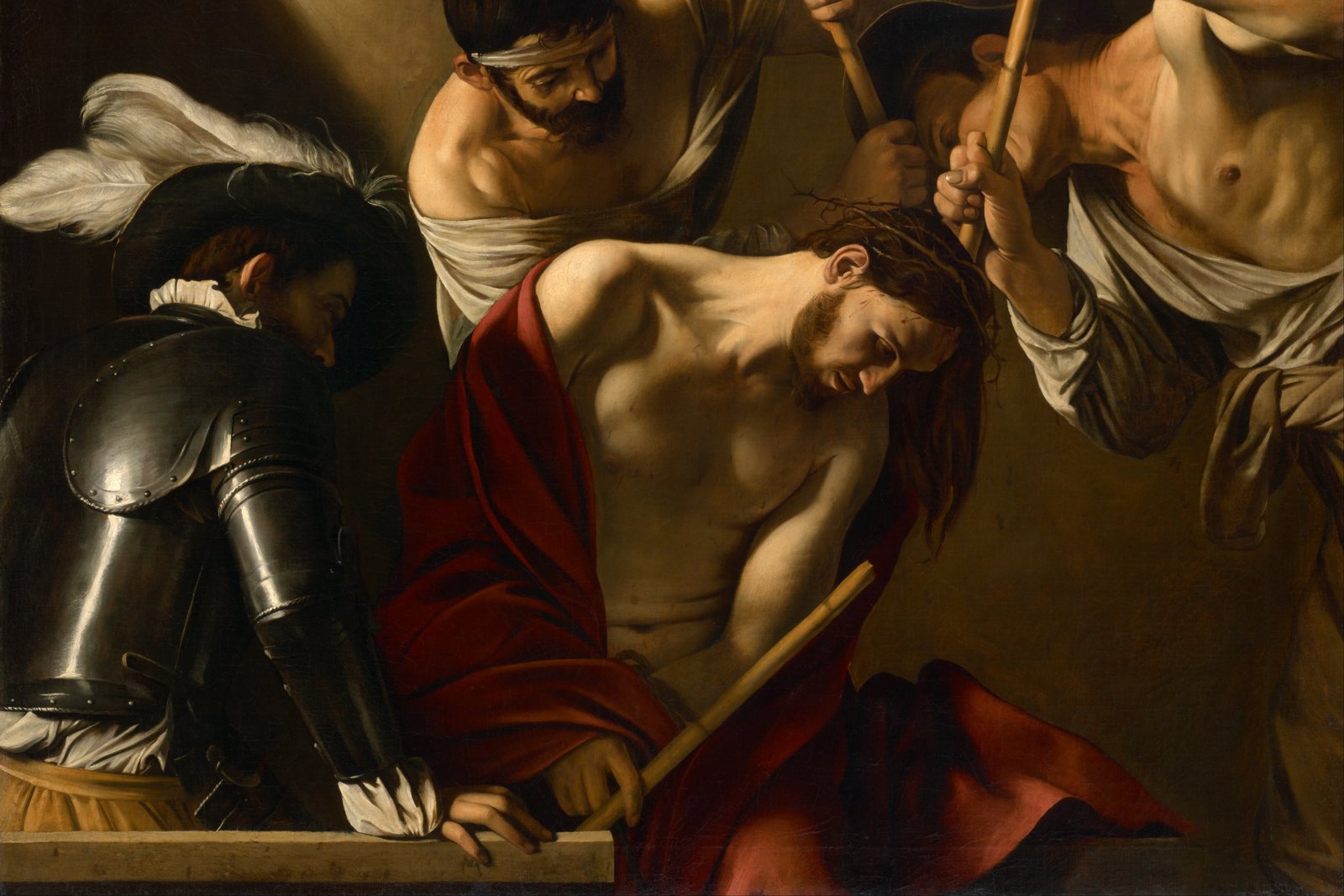
The Crown of Thorns in Christian Art: A Symbol of Mockery and Majesty
How painters from the early Church to Caravaggio turned a Roman soldier's cruel joke into one of Christianity's most recognizable symbols of suffering and kingship.
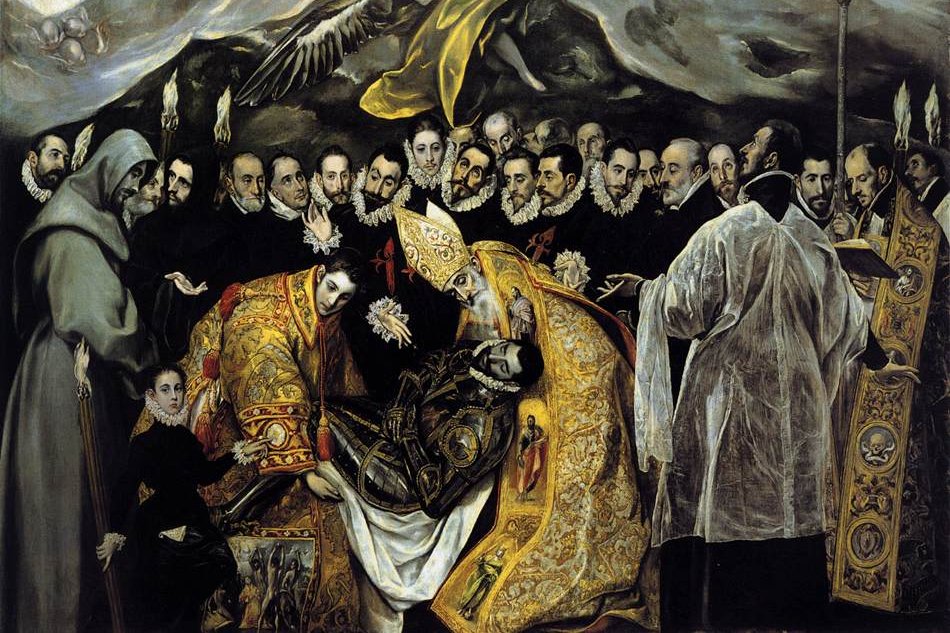
El Greco's Burial of the Count of Orgaz: Heaven Meets Toledo
How El Greco split one enormous canvas in half, painting an earthly funeral below and an ecstatic vision of heaven above, uniting them in a single miracle.
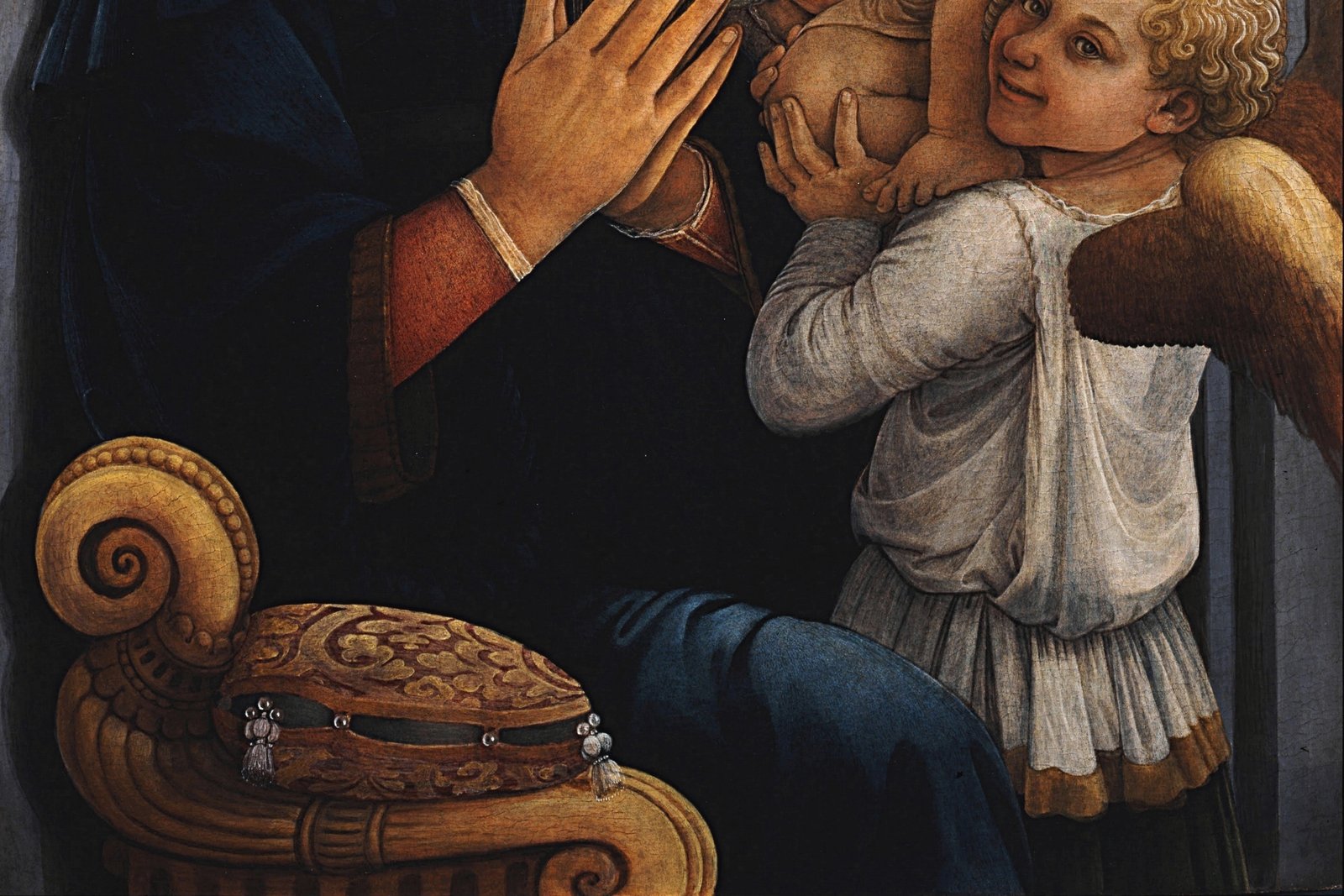
Fra Filippo Lippi's Madonnas: A Monk Who Painted Real Women
How a runaway friar with a scandalous personal life became one of the Renaissance's most tender painters of the Virgin Mary, giving her an unmistakably human face.
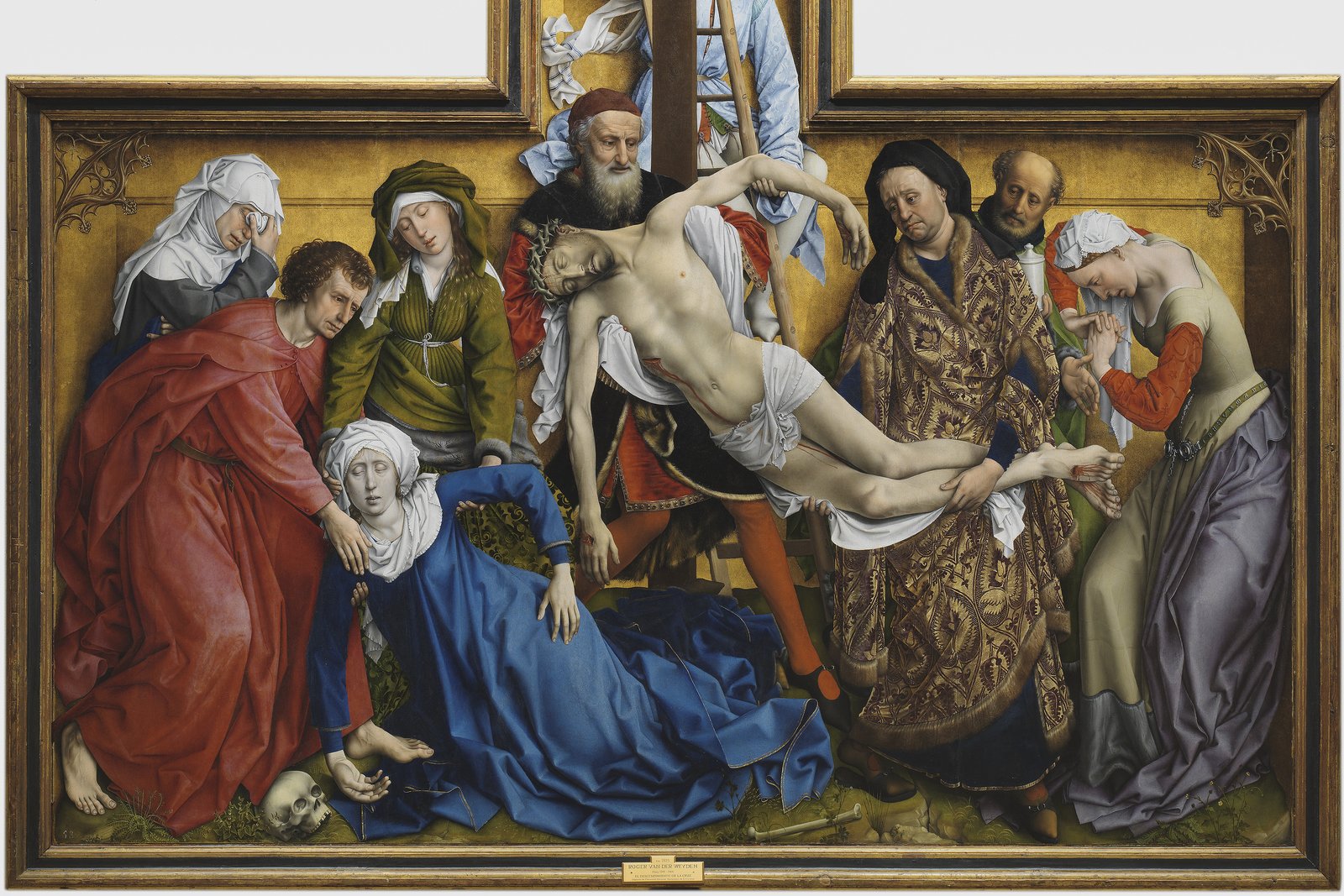
Rogier van der Weyden's Descent from the Cross: Grief in a Golden Box
How a Flemish master compressed ten mourning figures into a shallow, gilded stage to make the deposition of Christ feel unbearably close, human, and immediate.
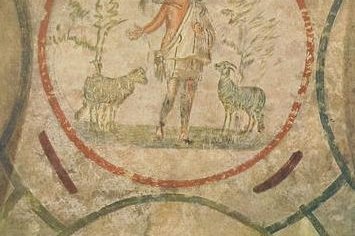
The Good Shepherd: Christianity's First Image of Christ
Long before the crucifix, Christians painted Christ as a beardless young shepherd carrying a lamb — the most common image of Jesus in the Church's first centuries.
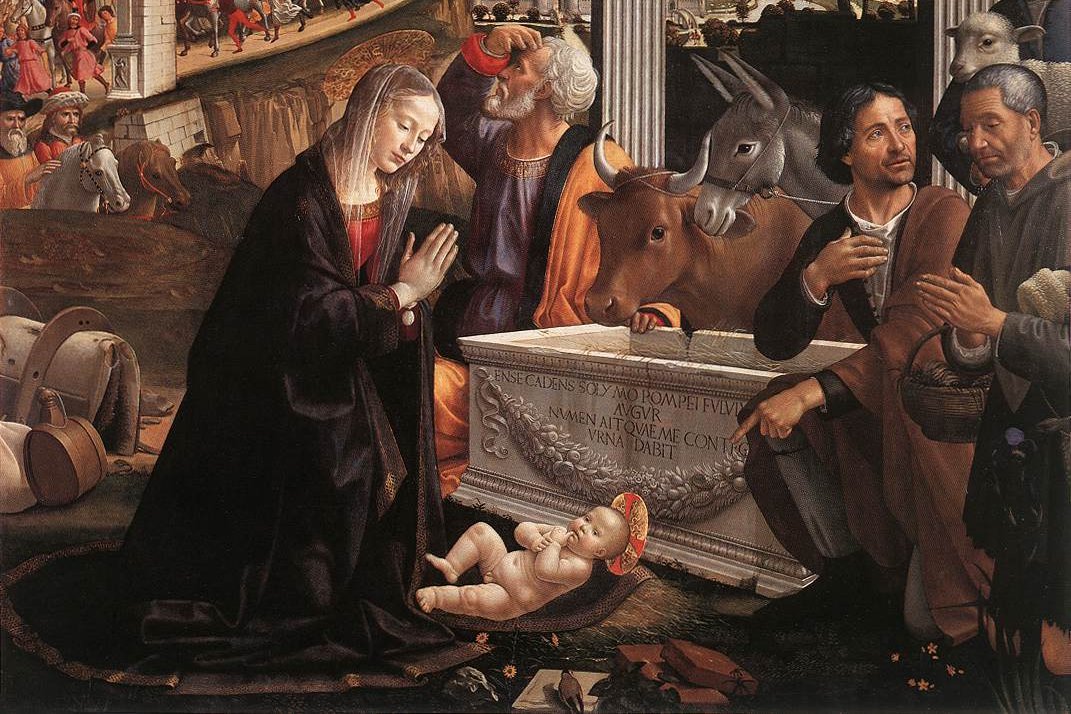
The Nativity in Renaissance Art: Reinventing the Manger
How Renaissance painters transformed the birth of Christ from a stiff, symbolic scene into an intimate human moment set in real light, landscape, and architecture.
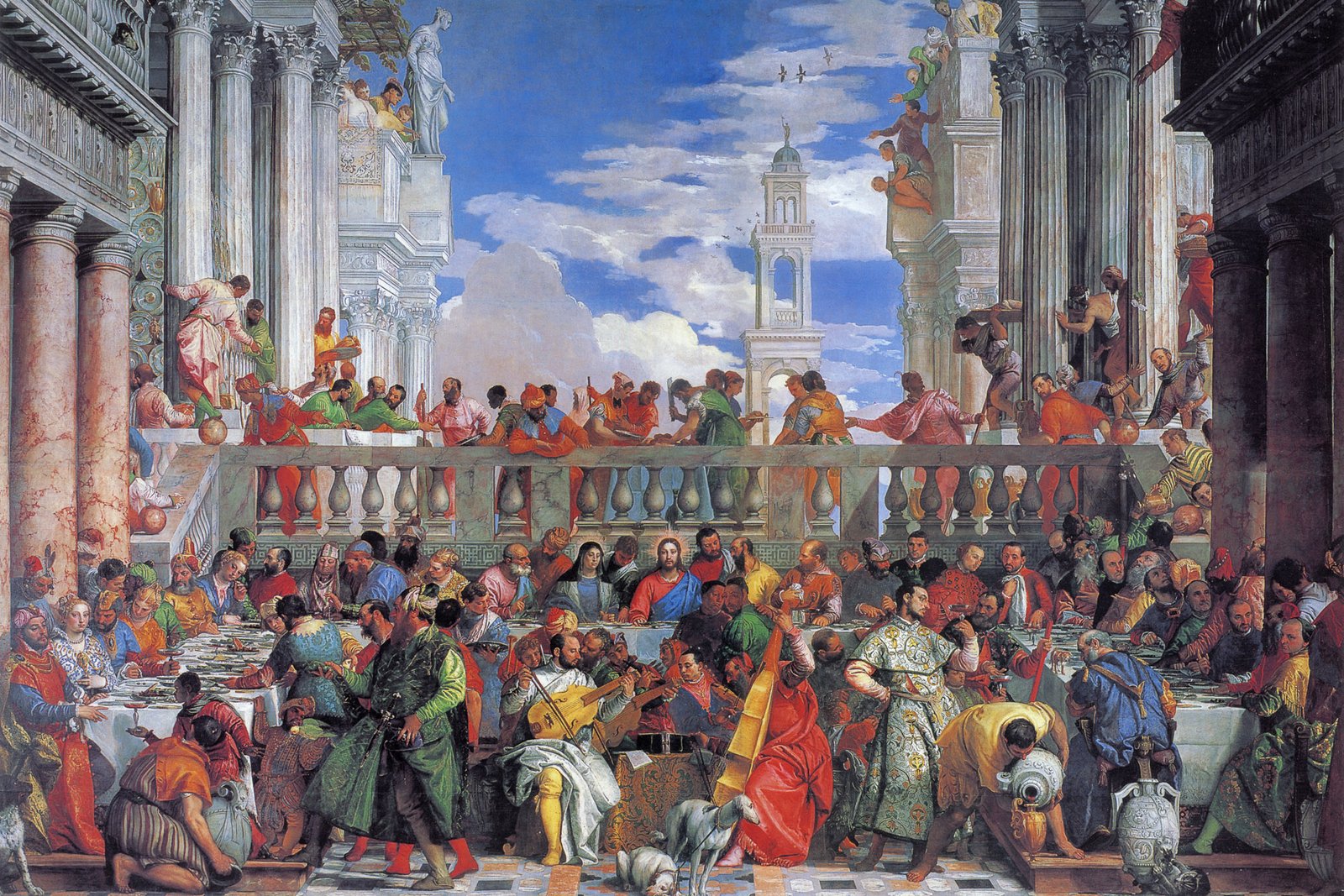
Veronese's Wedding at Cana: A Miracle Disguised as a Party
How Paolo Veronese turned Christ's first miracle into a vast Venetian banquet crowded with 130 figures, nearly burying the miracle itself in spectacle.
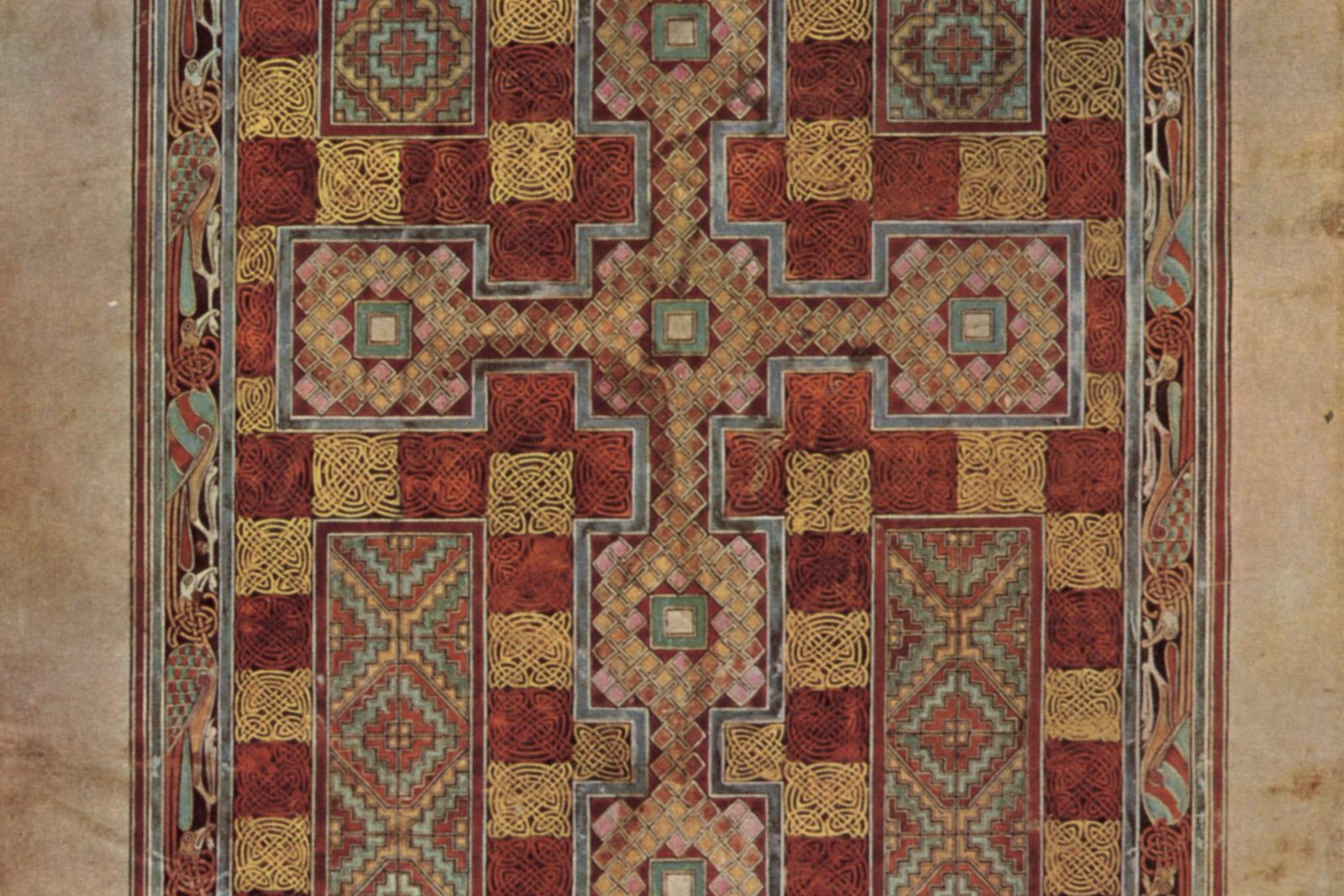
Anglo-Saxon Saints of England
A guided survey of the bishops, abbesses, and local patrons of Anglo-Saxon England, from Augustine of Canterbury's 597 mission through the Viking age.
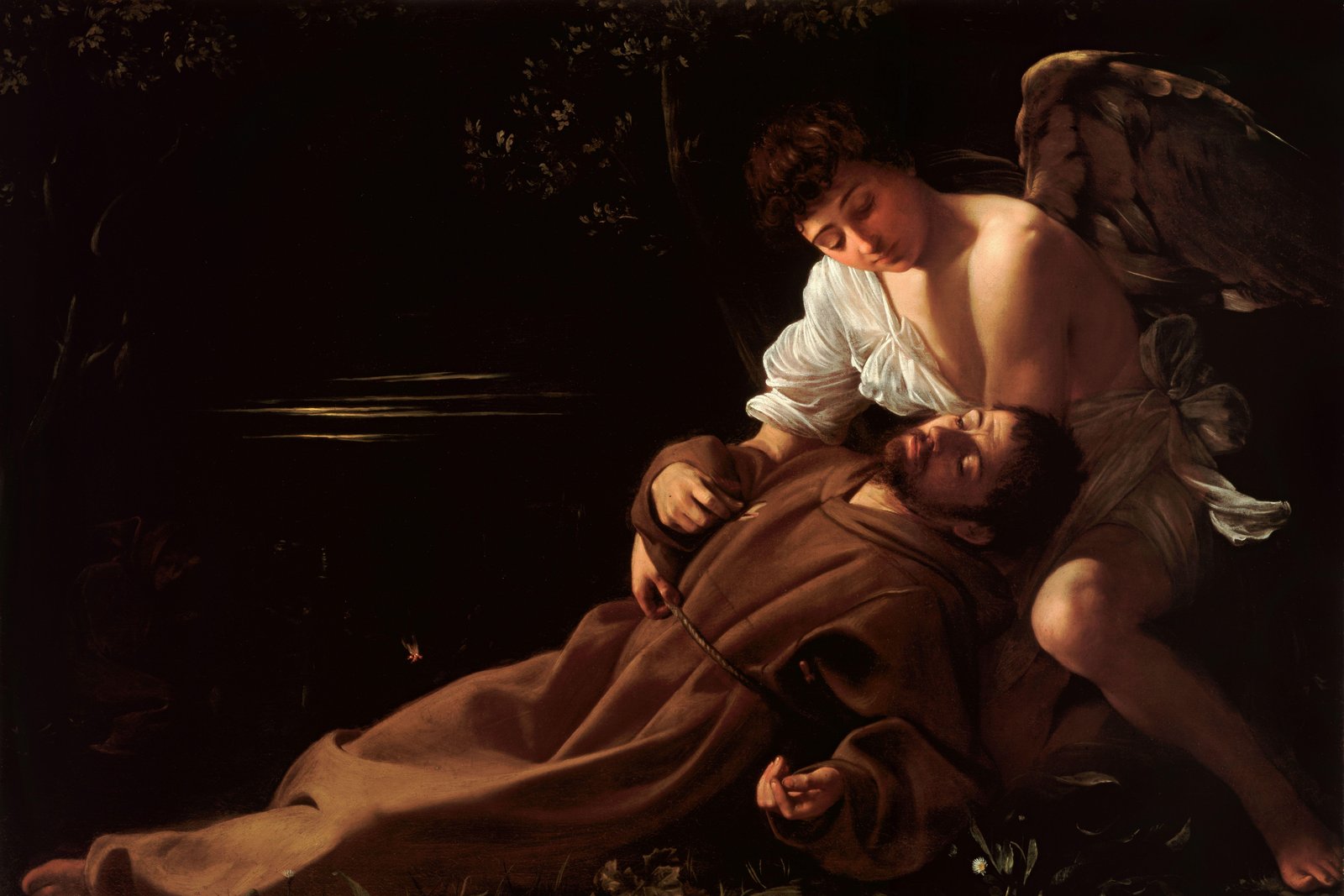
Christian Mystics, Visions, and the Interior Life
A guided survey of Christian mystics across the centuries — from desert Egypt to medieval Germany to Counter-Reformation Spain — and their reported visions of God.
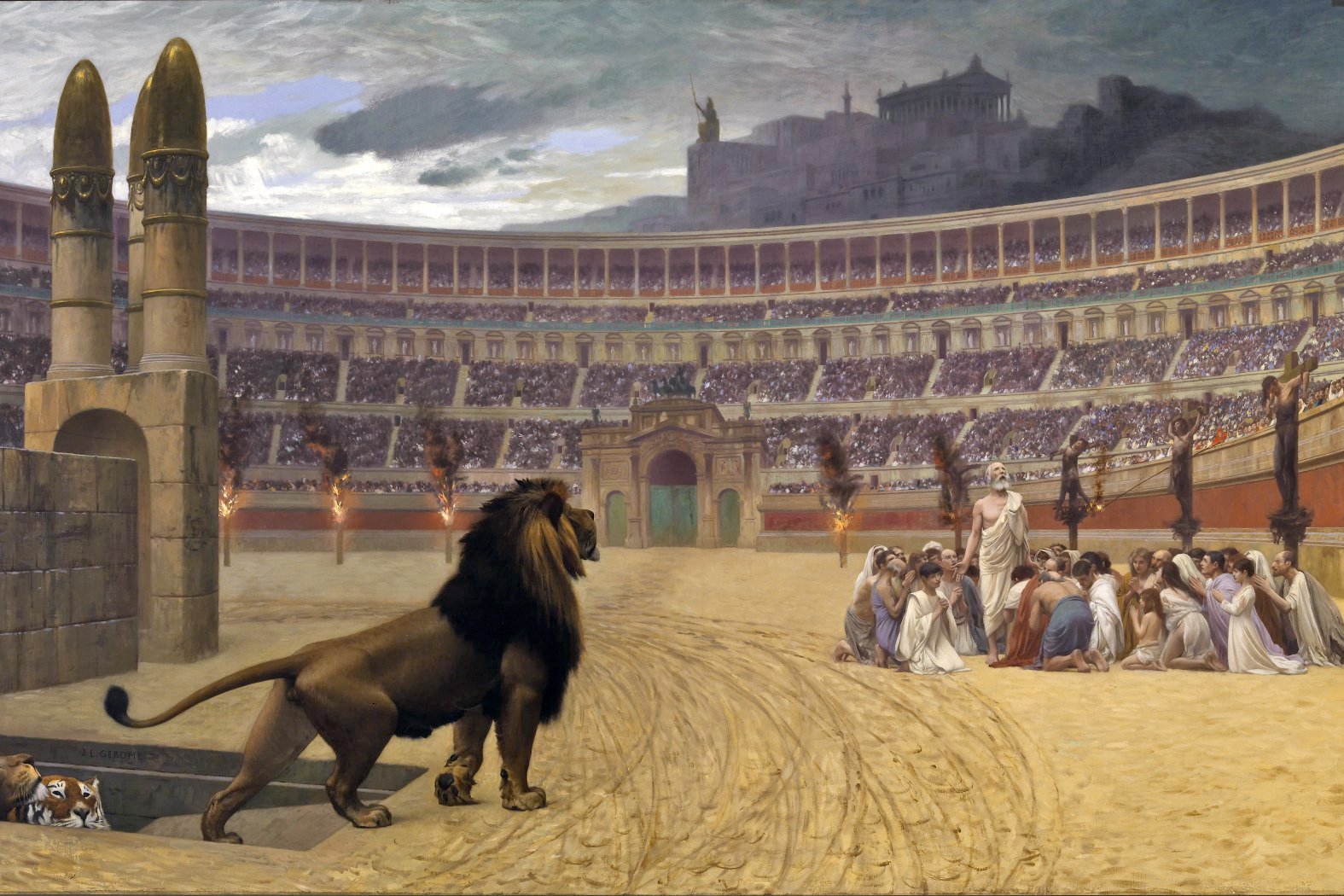
Early Popes and Martyrs of Rome
A guided survey of Rome's earliest popes, deacons, and lay martyrs — the men and women who led and died for the Church before Christianity was ever legal.
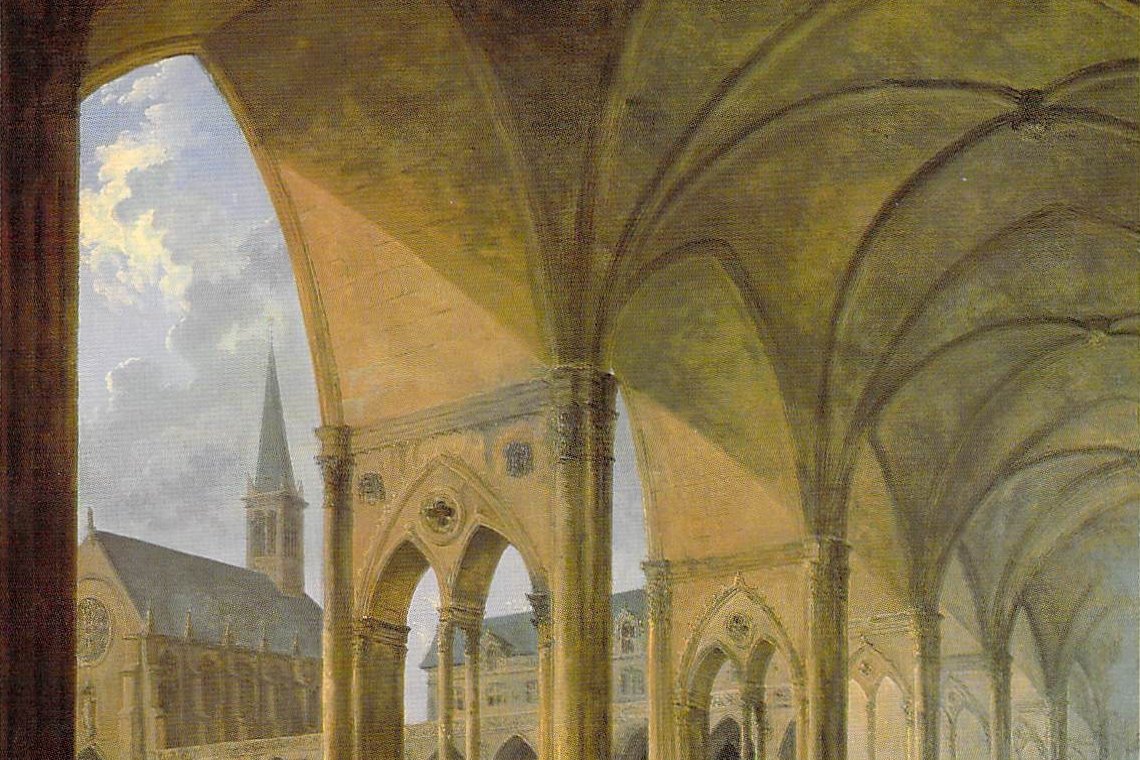
Founders of Catholic Religious Orders
A survey of the priests, laypeople, and widows who founded major Catholic teaching, missionary, and charitable religious orders between the 1500s and 1800s.
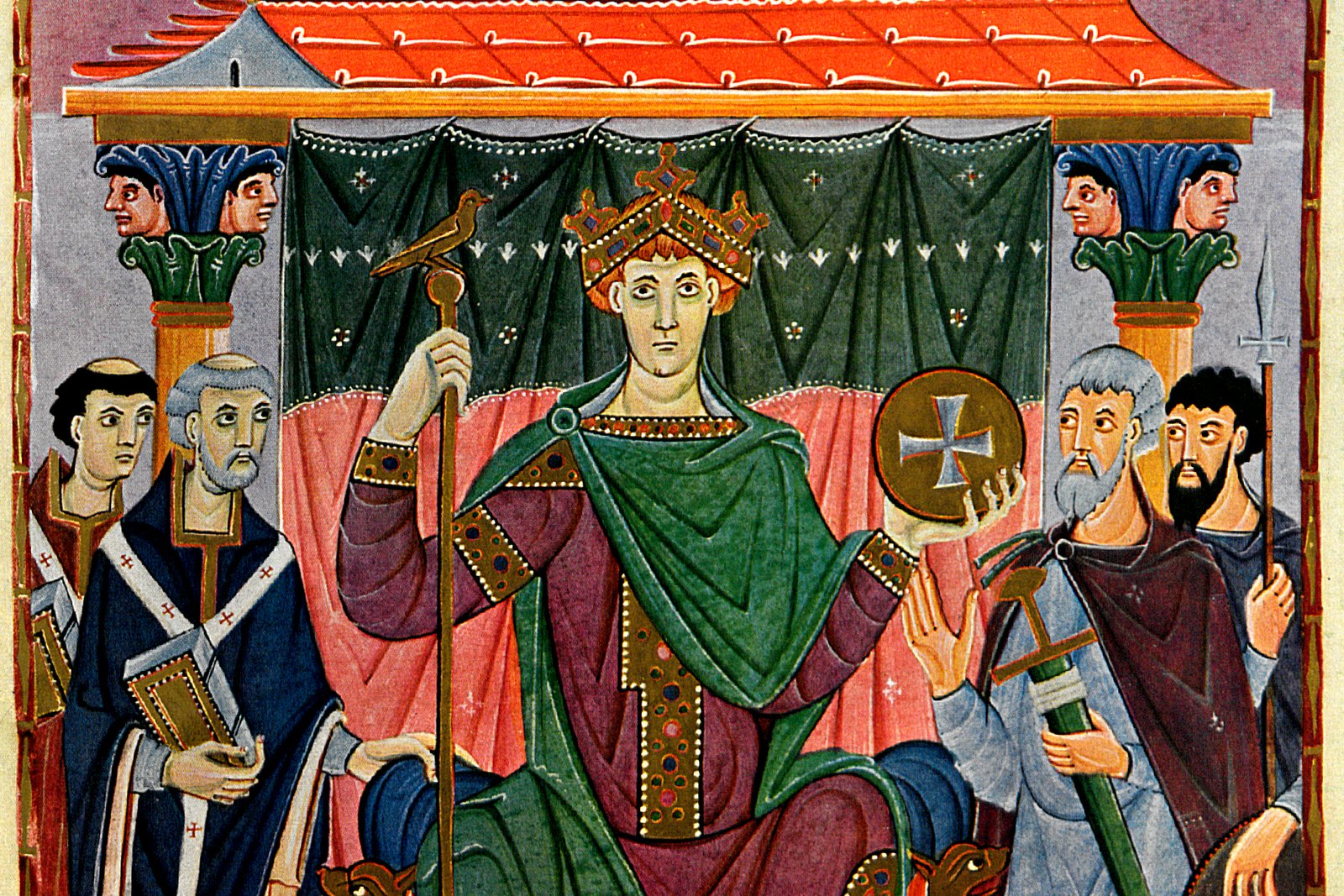
Medieval Missionary Bishops of the Carolingian and Ottonian Empire
A guided survey of missionary bishop-saints who built and Christianized the Carolingian and Ottonian empire, from the Rhineland to the Slavic and Baltic frontier.
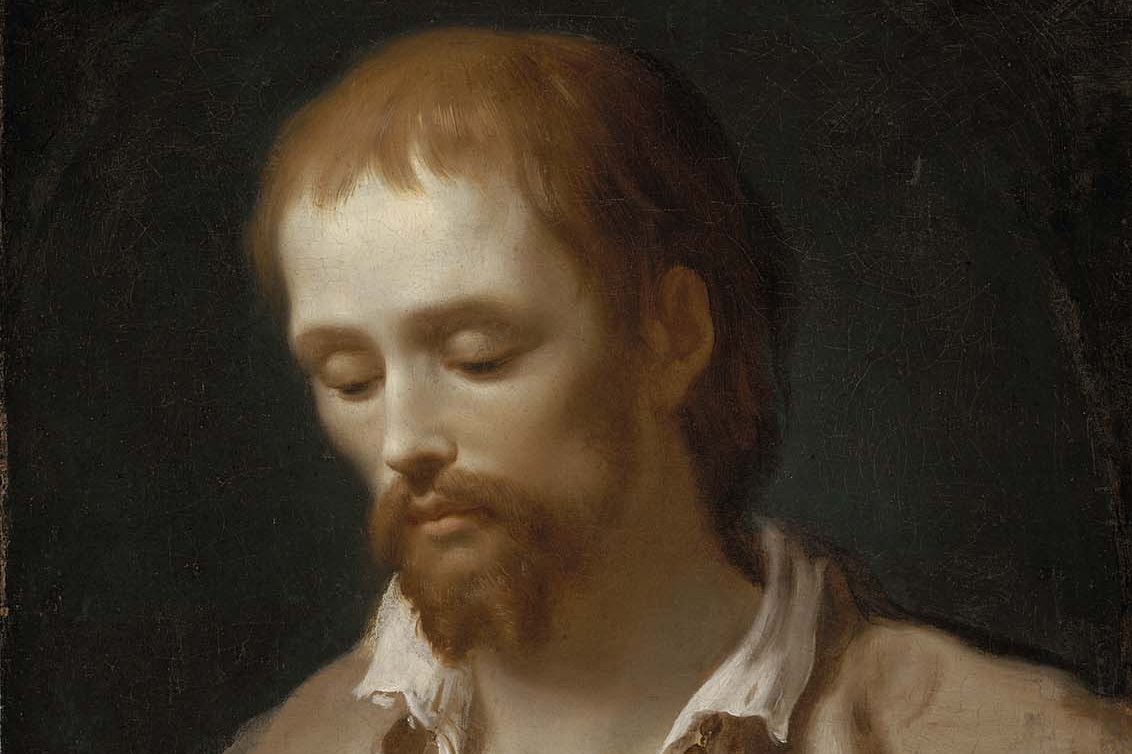
Saint Benedict Joseph Labre
A homeless beggar rejected by monastery after monastery died on a Roman street in 1783, and within a day the city's own children were calling him a saint.
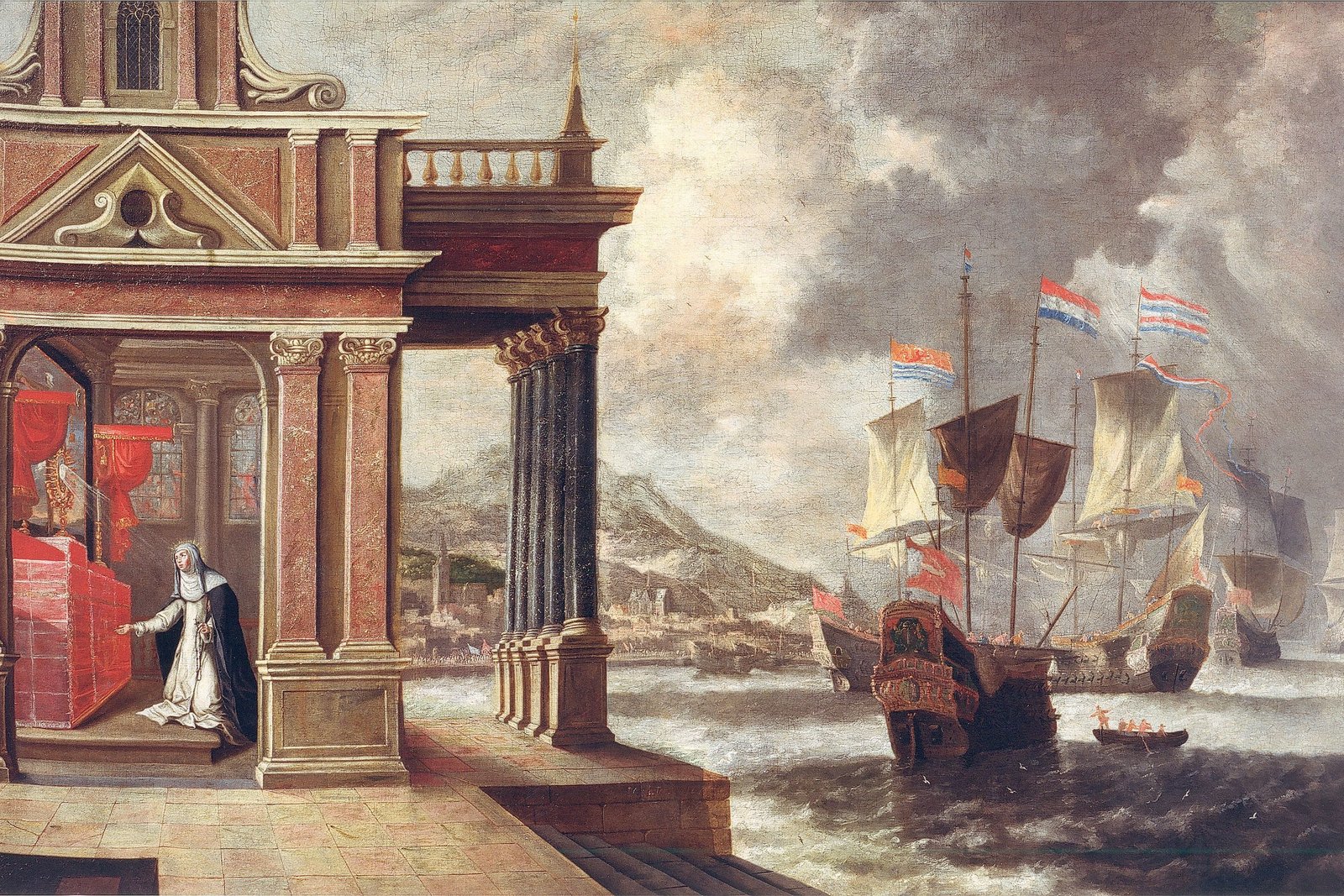
Saint Catherine de Ricci
A Florentine nun relived Christ's Passion in visible ecstasy every week for twelve years, and the crowds who came to watch eventually included a future pope.
Saint Catherine Laboure
A farm girl saw the Virgin Mary in a Paris convent chapel one night in 1830, and the medal she was told to strike has since been minted over a billion times.
Saint Clare of Montefalco
After an Augustinian abbess died in 1308, the nuns who prepared her body for burial found what they described as symbols of Christ's Passion inside her own heart.
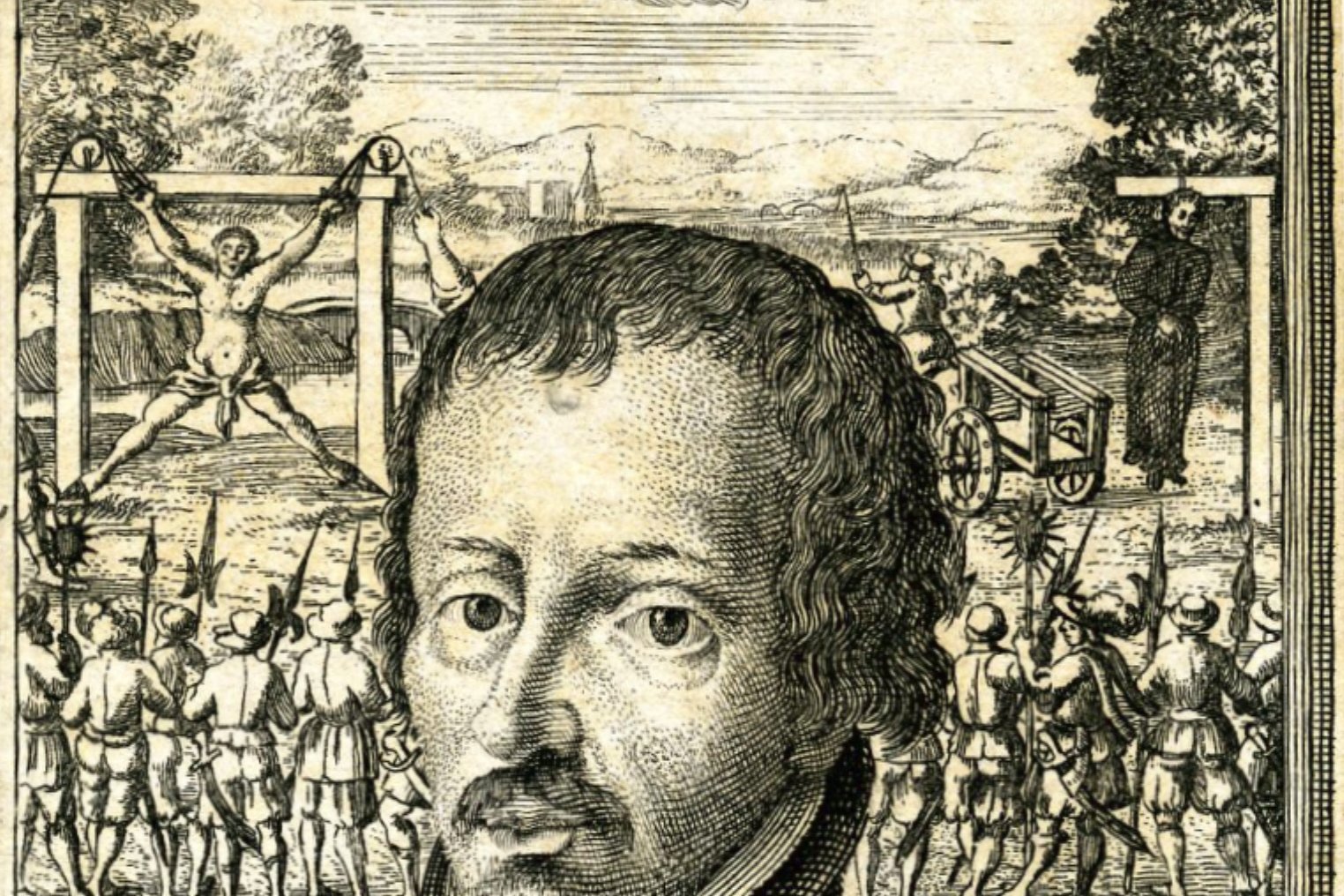
Saint Edmund Campion
A star Oxford scholar who could have had any career he wanted under Elizabeth I chose the secret priesthood instead, and paid for it at Tyburn in 1581.
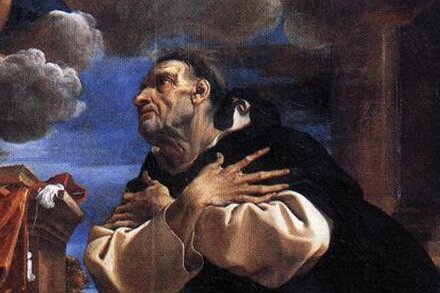
Saint Hyacinth of Poland
A Polish nobleman met Saint Dominic in Rome, joined his brand-new order on the spot, and then walked home to found it across an entire region of Europe.
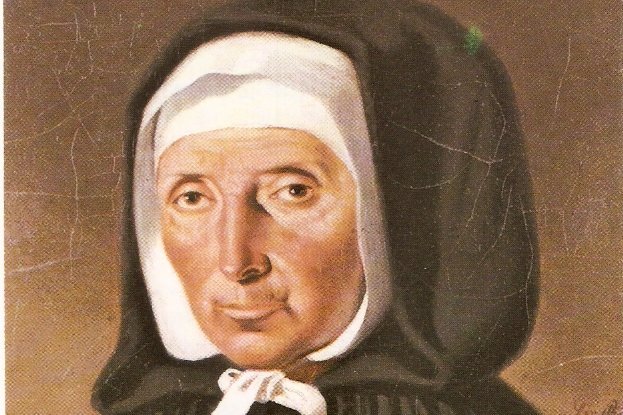
Saint Jeanne Jugan
A poor Breton servant carried a blind, elderly widow up the stairs to her own bed and slept in the attic instead, launching a worldwide order almost by accident.
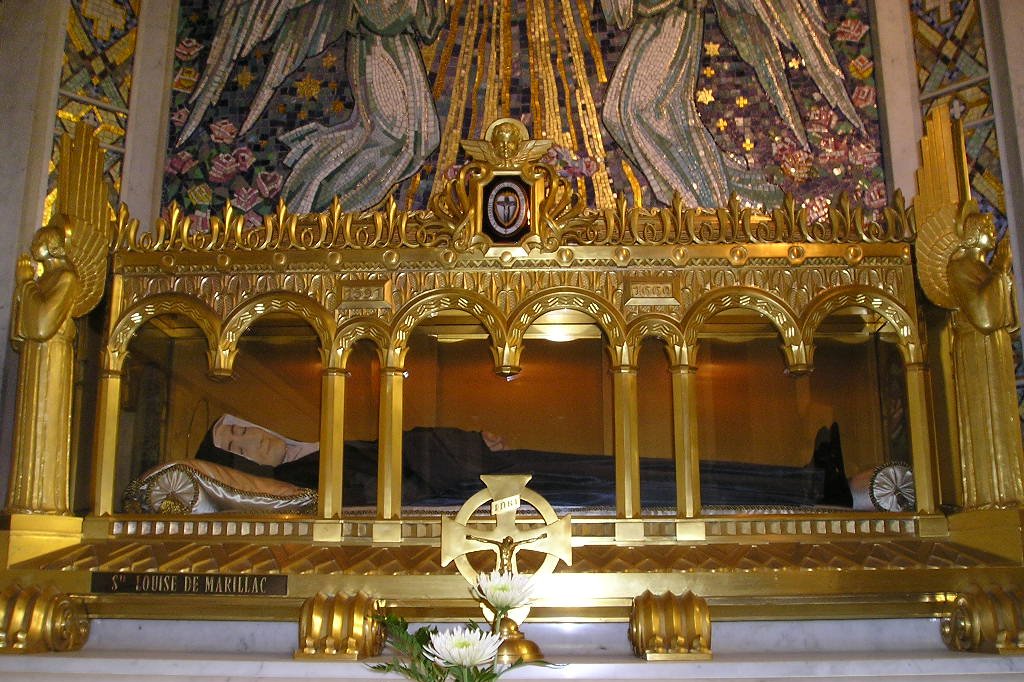
Saint Louise de Marillac
A widow with no religious training co-founded a community for poor girls who had nowhere else to go, and it grew into one of the largest orders serving the poor.