
Blog
Stories of saints, biblical events, angels, and sacred places.
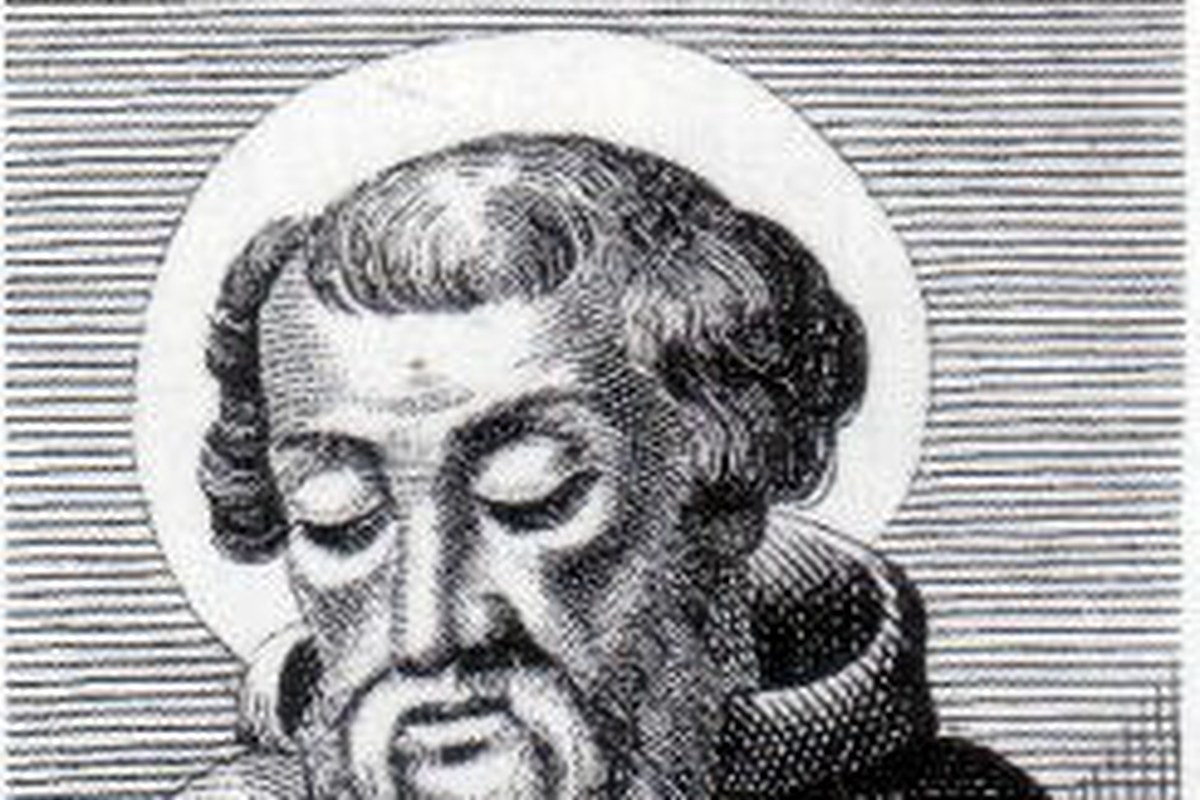
Saint Irenaeus of Lyon
A student of a student of the Apostle John, this bishop wrote the book that gave Gnostic heresies their name — and became the Church's newest Doctor in 2022.
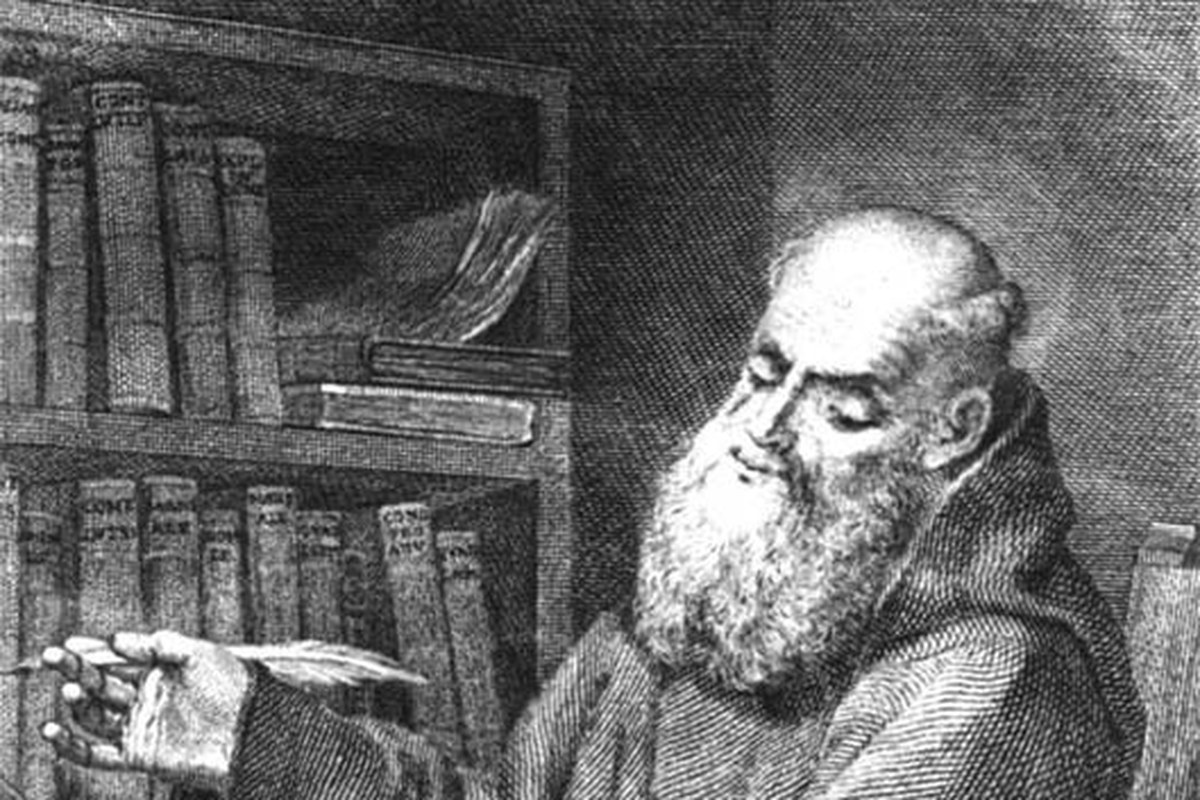
Saint Lawrence of Brindisi
A Capuchin friar who reportedly knew several biblical languages fluently rode into battle against the Ottomans carrying only a crucifix, and won.
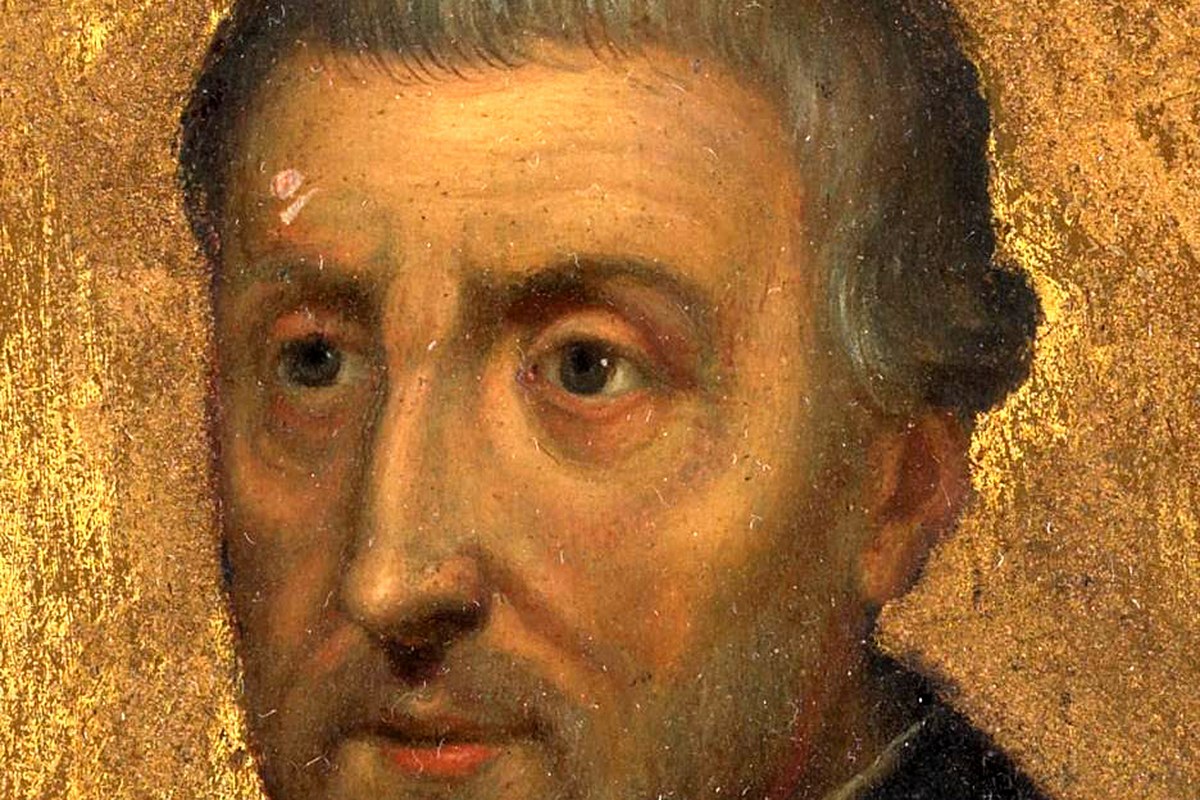
Saint Peter Canisius
A Dutch Jesuit's catechism ran through 200 editions in his own lifetime and made "Canisius" a byword for catechism itself across German-speaking Europe.
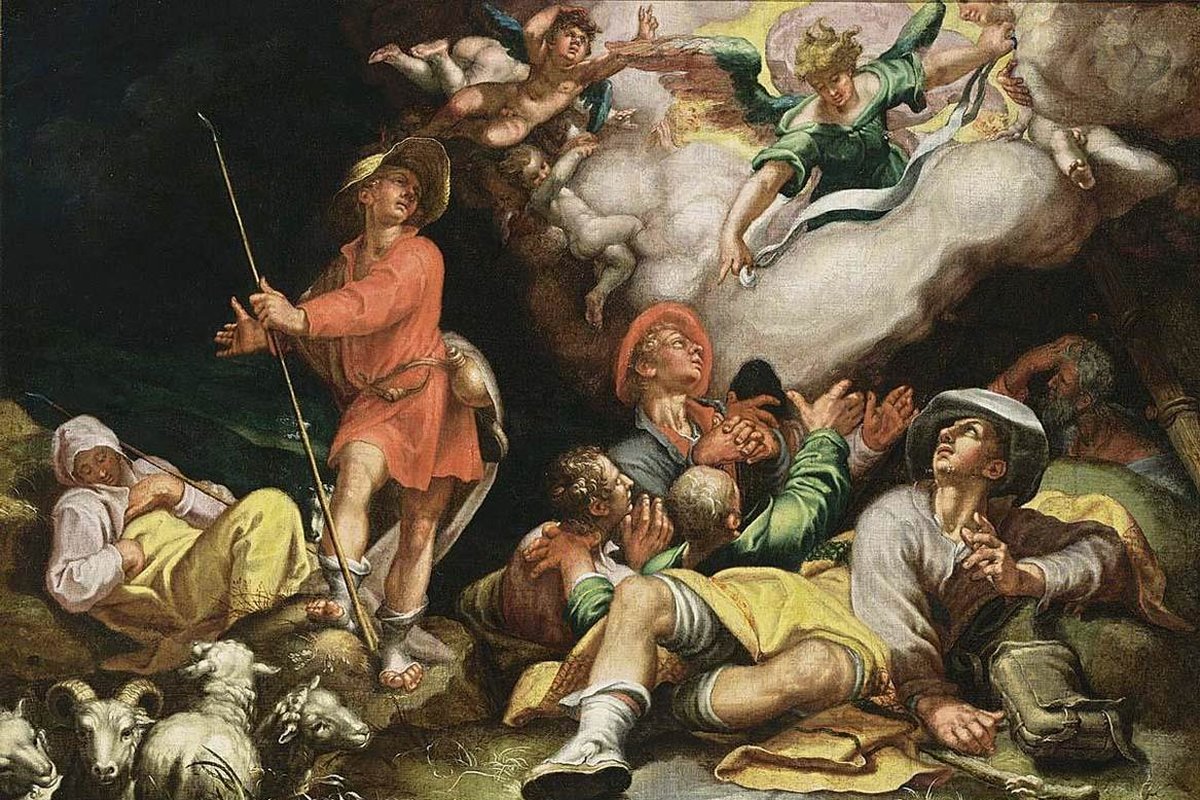
The Angel Appearing to the Shepherds
The angel who announced Christ's birth to shepherds outside Bethlehem, what he actually said in Luke's Gospel, and why the news reached them before kings.
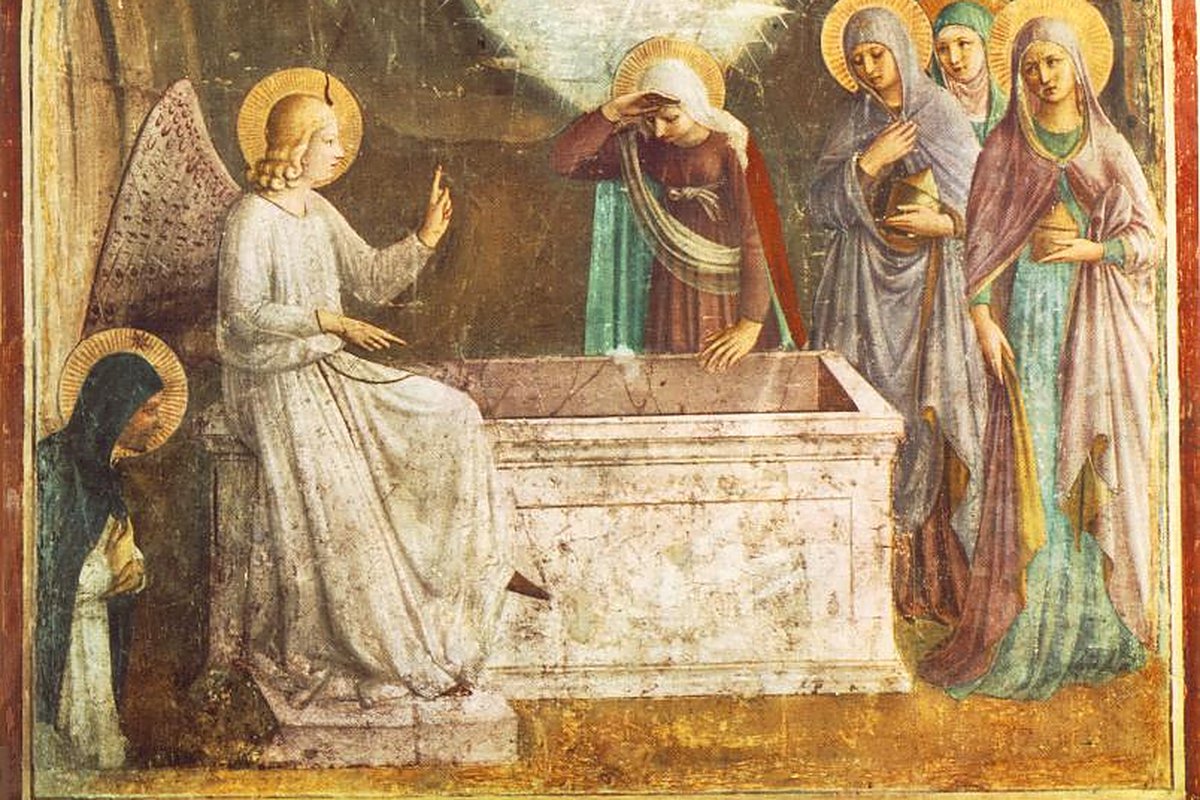
The Angel at the Empty Tomb
What the angel told the women who came to Christ's tomb on Easter morning — and an honest look at why the four Gospels don't describe the scene identically.
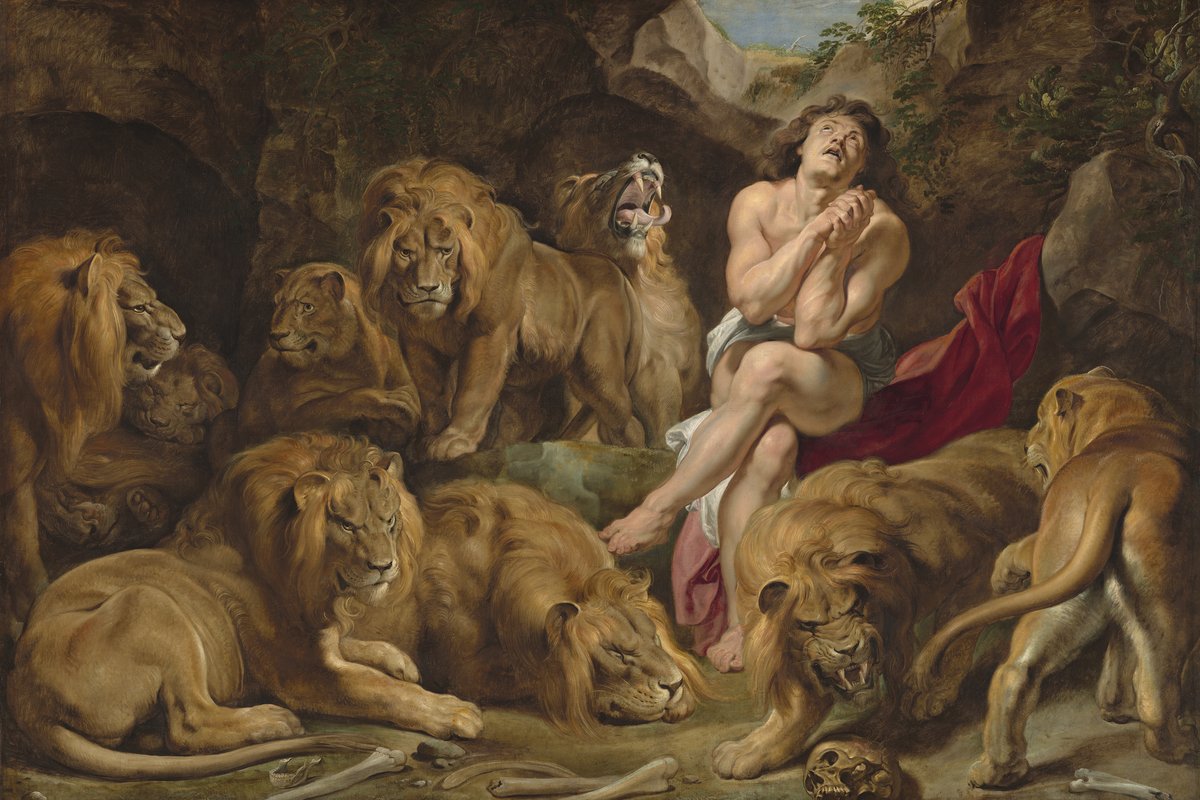
The Angel Closing the Lions' Mouths
How Daniel survived a whole night in the lions' den after political rivals trapped him through his own faith, and the angel he credited with saving him.
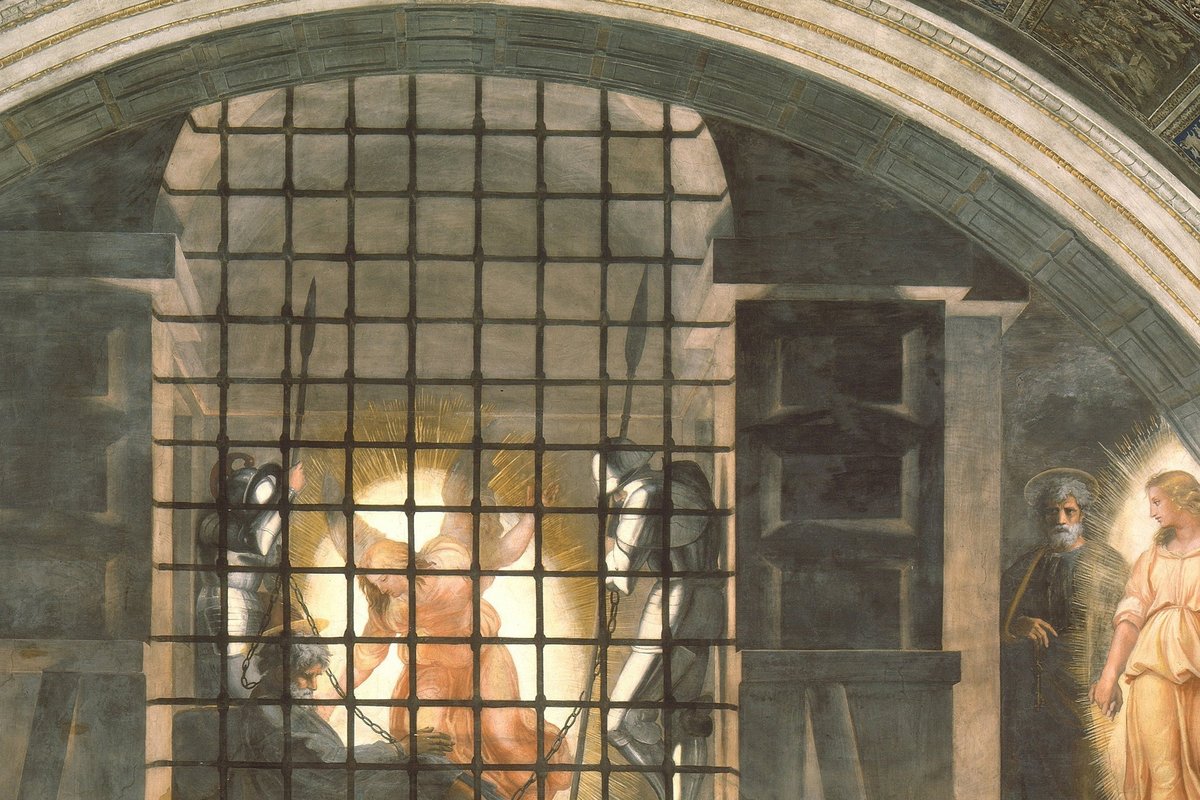
The Angel Freeing Peter from Prison
How Peter escaped a heavily guarded prison cell the night before his trial, and why he thought it was a vision until he found himself alone in the street.
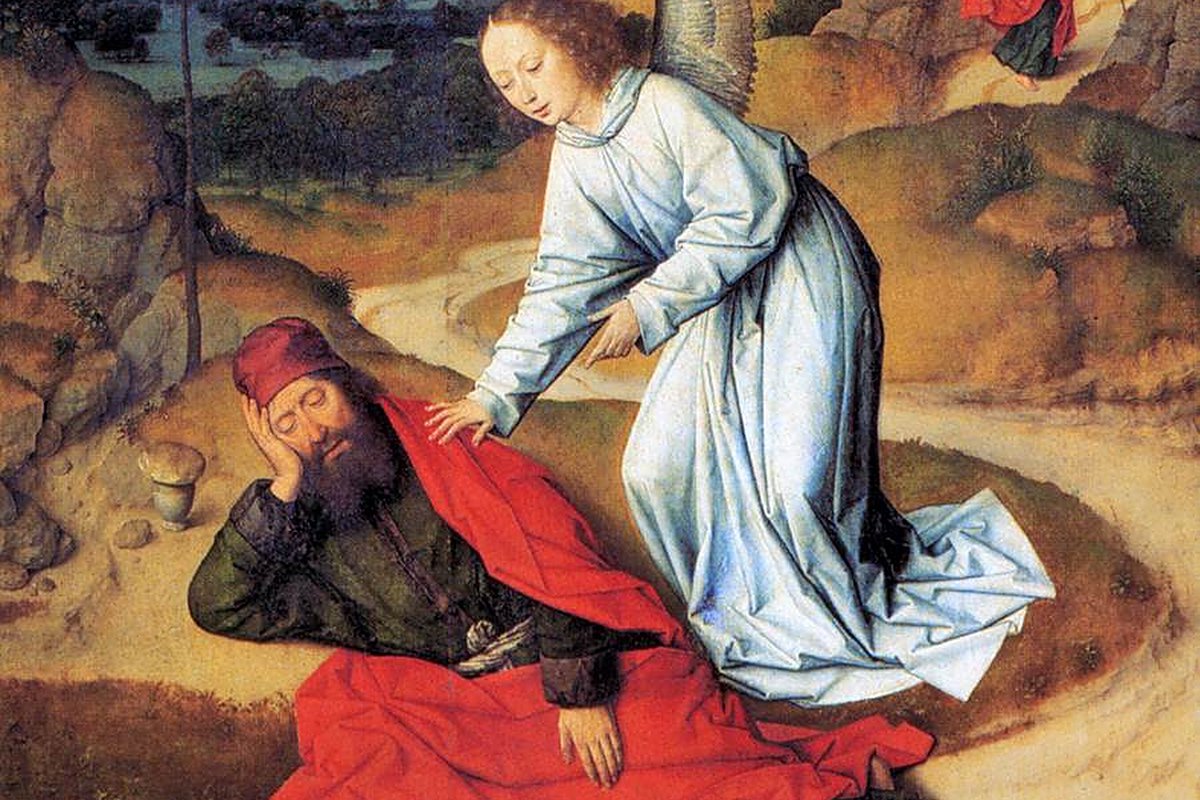
The Angel Strengthening Elijah
After his greatest victory, the exhausted prophet Elijah asked God to let him die. The angel who found him in the desert didn't argue — he simply fed him.
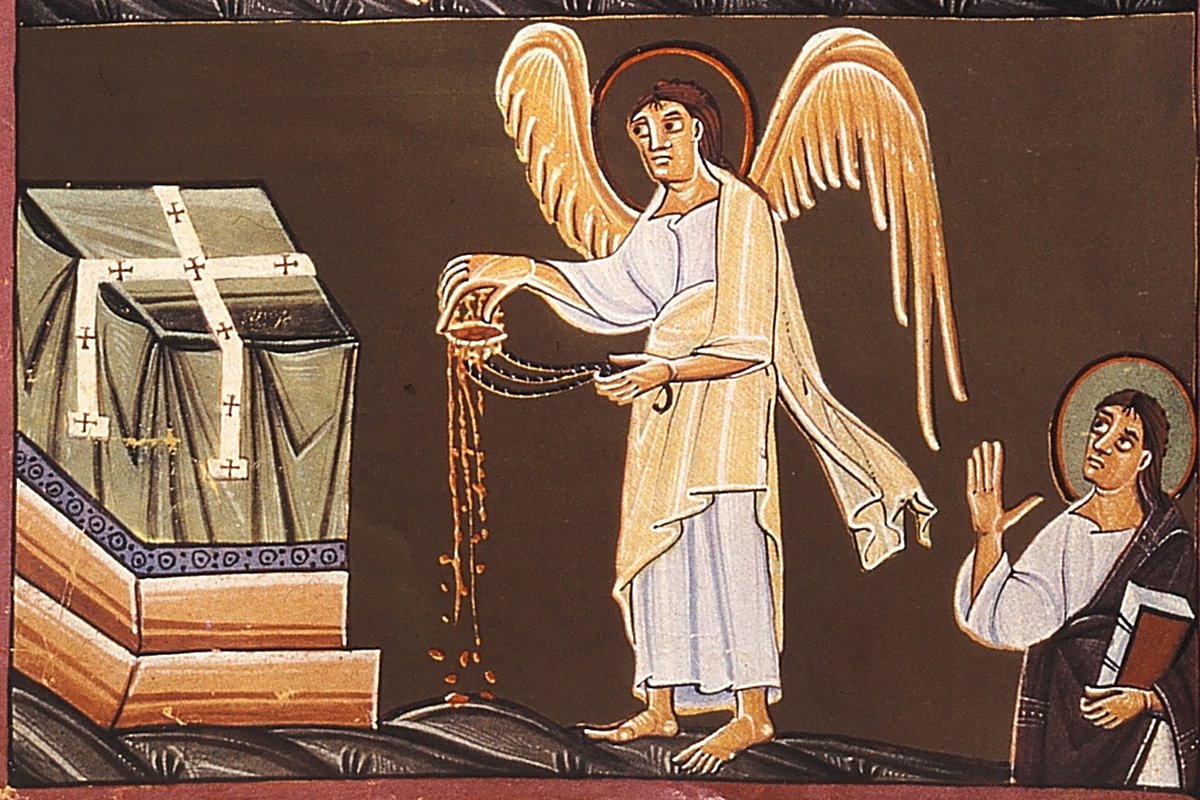
The Angel with the Golden Censer
In John's vision of heaven, an angel carries the prayers of believers up to God mixed with rising incense smoke, then hurls fire from the altar back to earth.
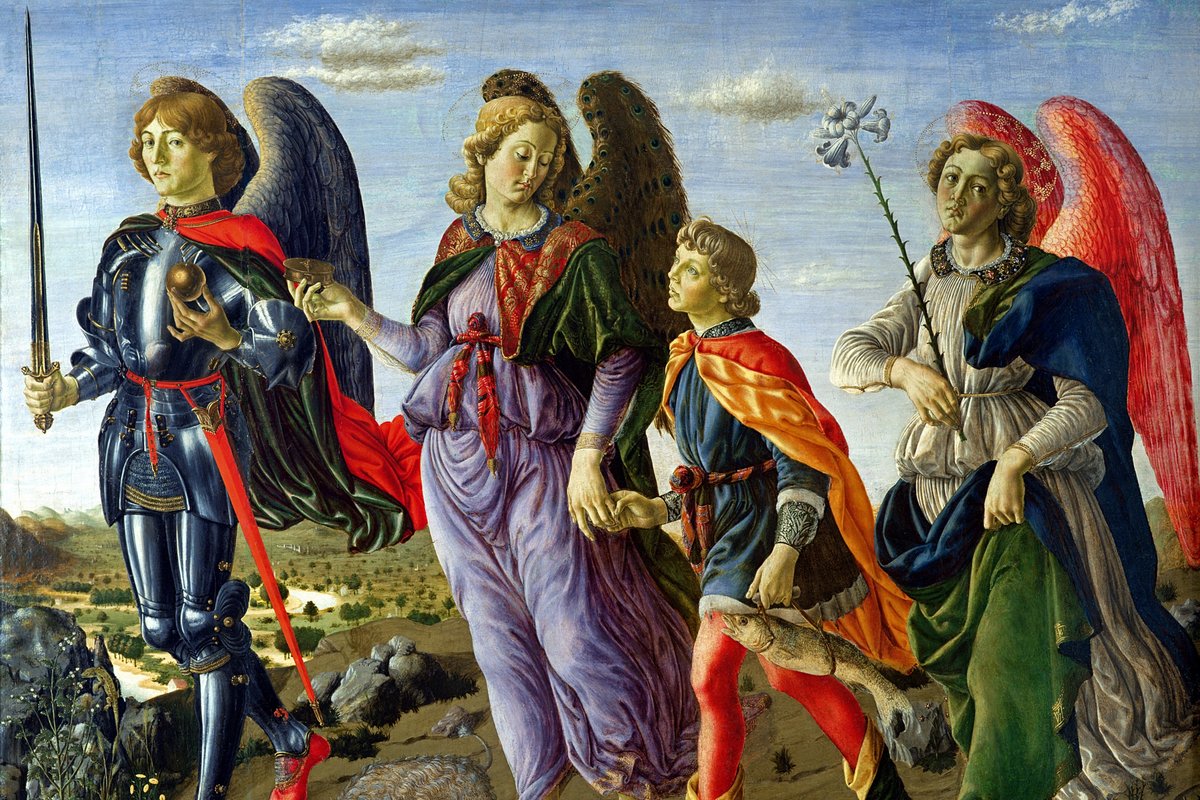
The Archangel Choir
Why the Archangels are the only one of the nine angelic choirs whose members are named individually in Scripture, and what this angelic rank truly means.
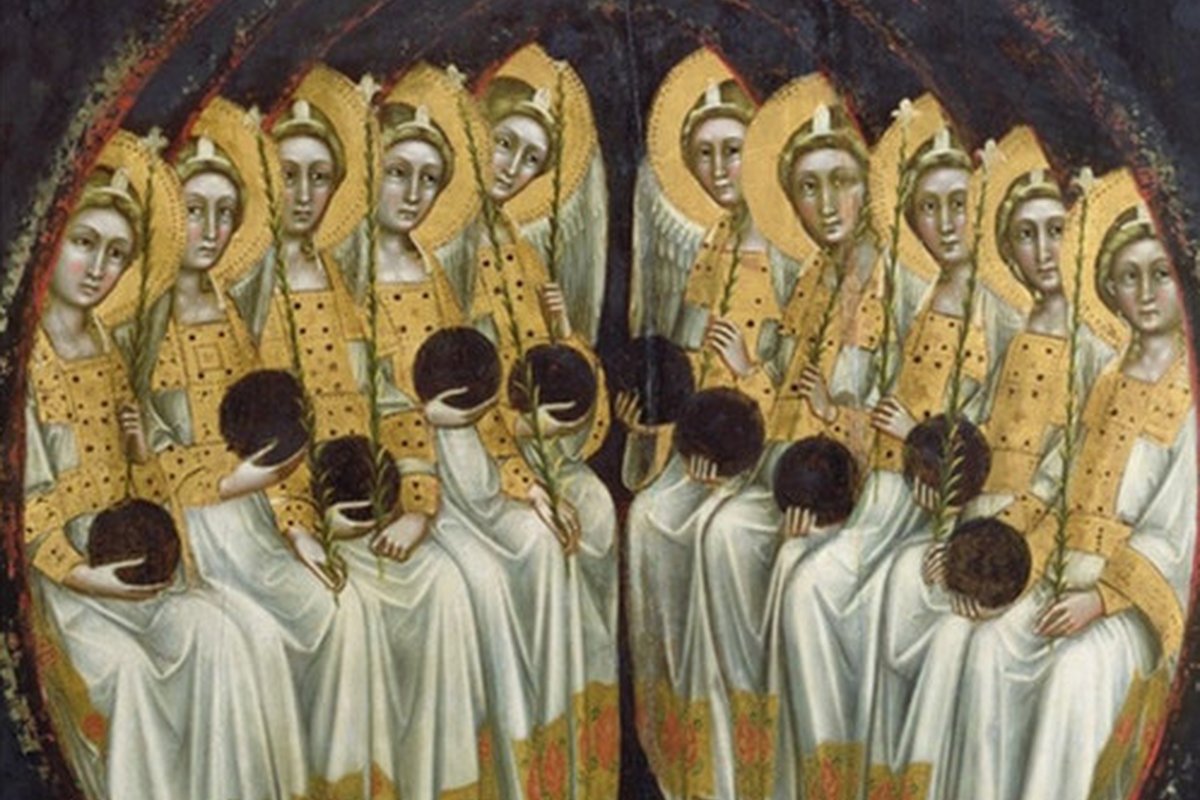
The Dominions
What the Dominions (or Dominations) are in Christian tradition, why Ephesians calls them "dominion," and their odd, distinctly middle-management role.
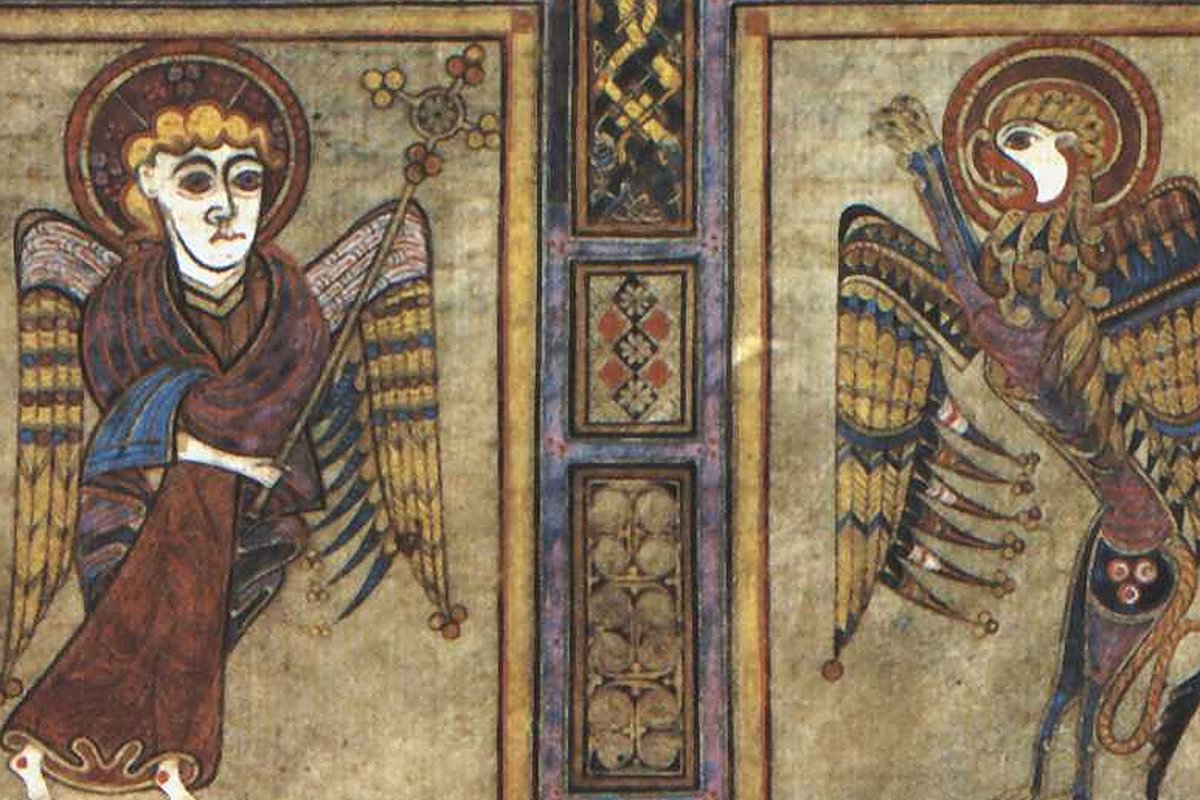
The Four Living Creatures
Part lion, part ox, part man, part eagle — the four creatures of Ezekiel and Revelation's visions, and how Christian tradition linked them to the Gospels.
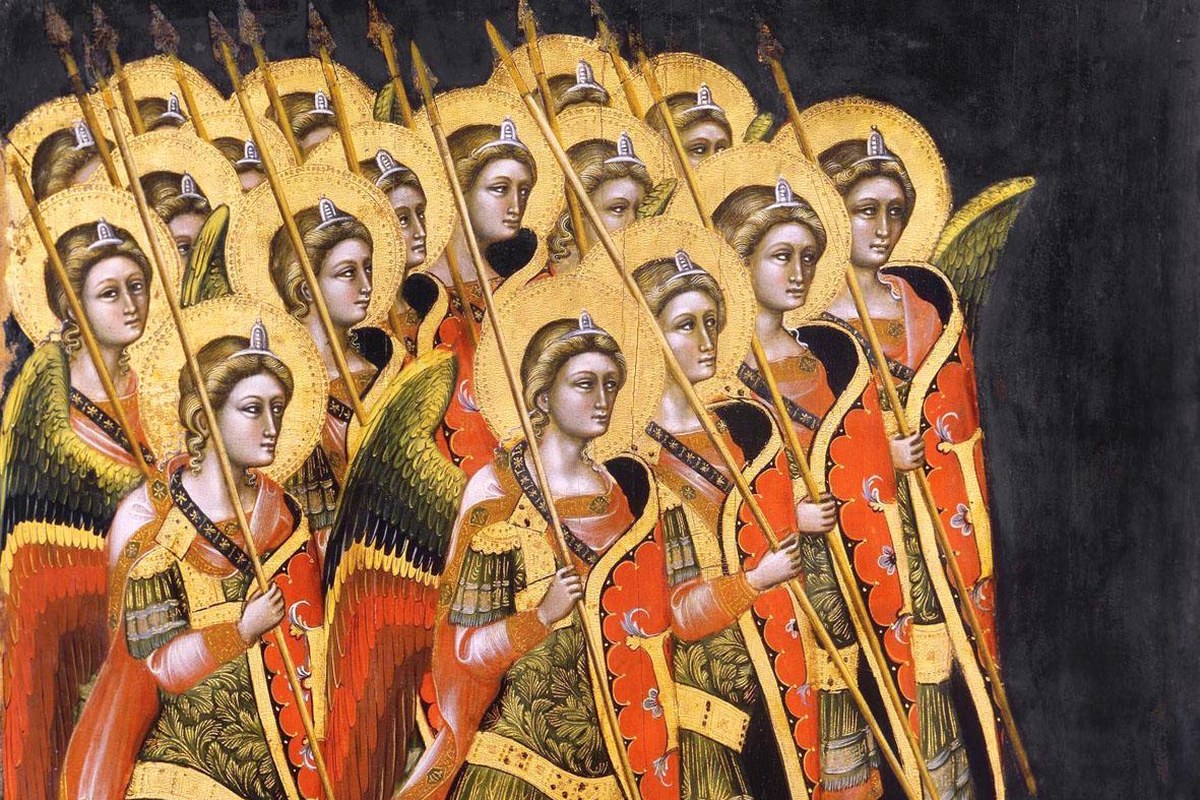
The Nine Choirs of Angels — A Full Guide to the Angelic Hierarchy
A 6th-century writer organized every angel named in Scripture into nine ranks in three triads. Here's the full hierarchy, with the story behind each rank.
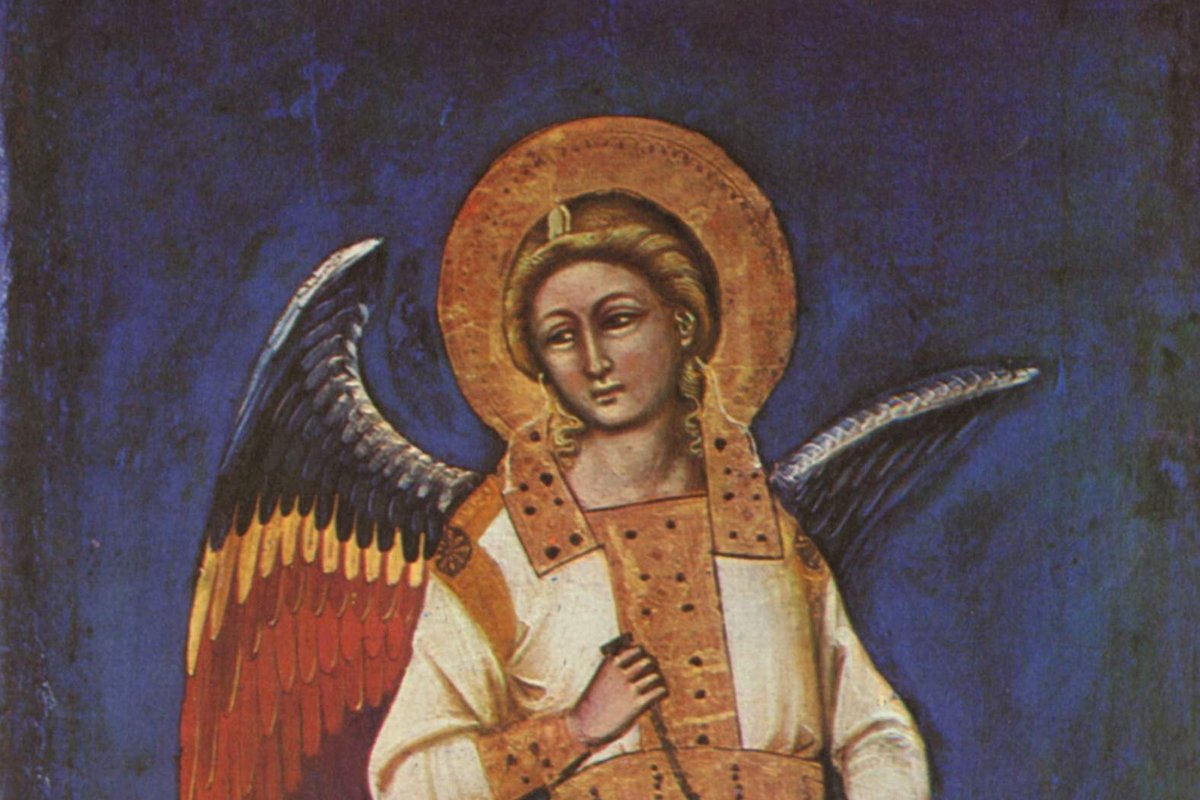
The Powers
Why medieval Christian tradition holds that the Powers guard the border between heaven and evil, and how their name traces to the Greek word for authority.
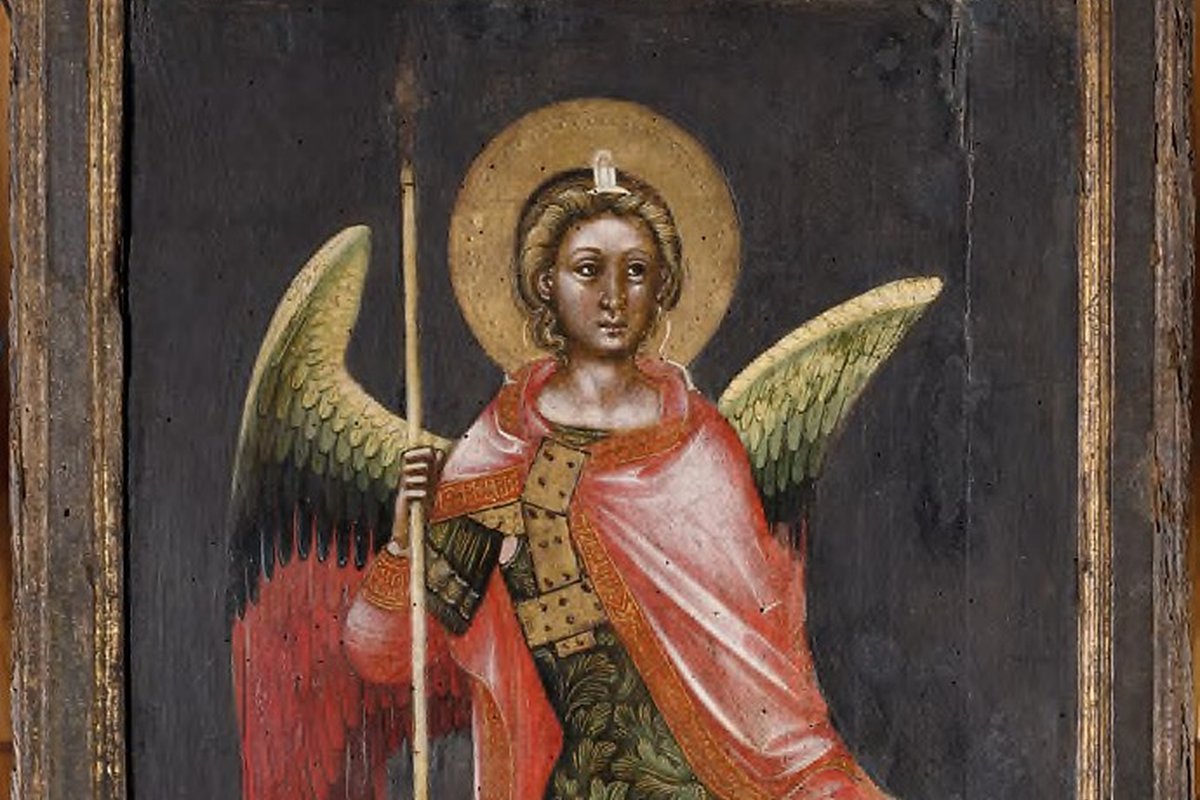
The Principalities: Angels Who Guard Nations
The Principalities are angels Christian tradition holds watch over whole nations and cities -- and how their name shares a root with the word "archangel."
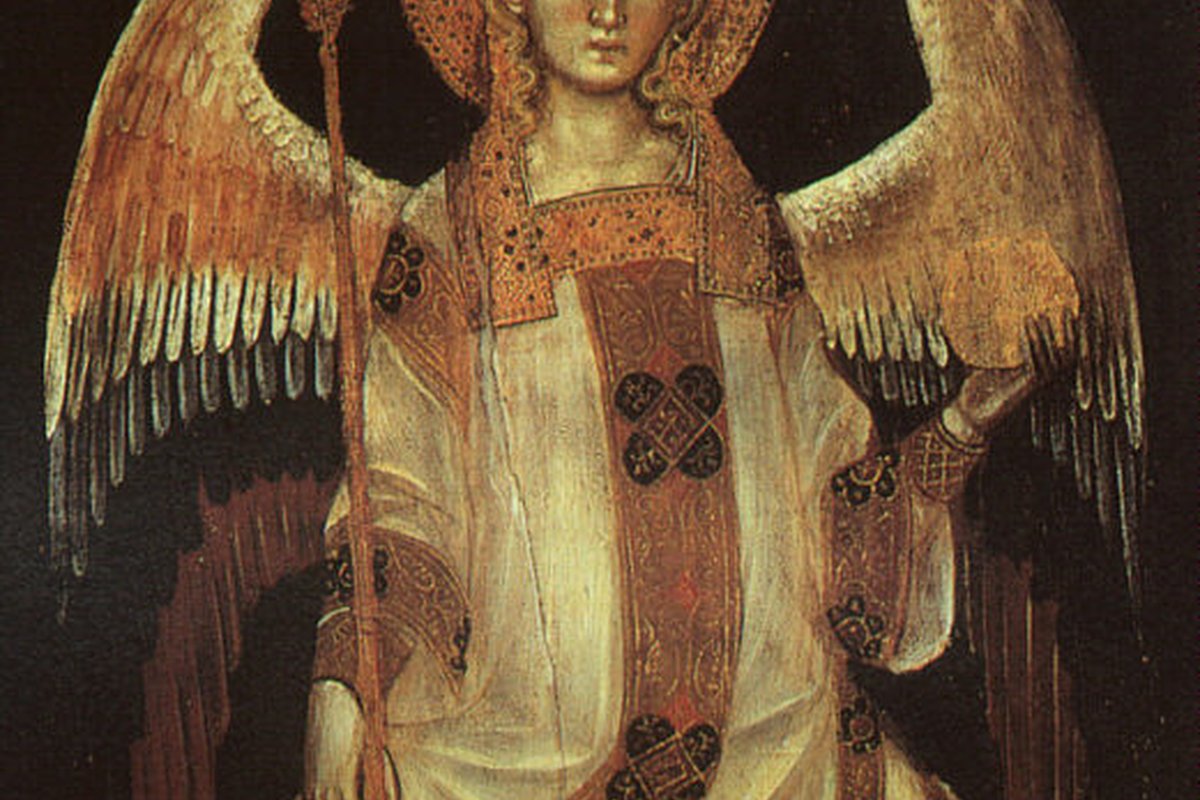
The Thrones
What Colossians 1:16 actually says about "thrones," how the word grew into a rank of celestial judges, and why medieval art painted them as wheels of eyes.
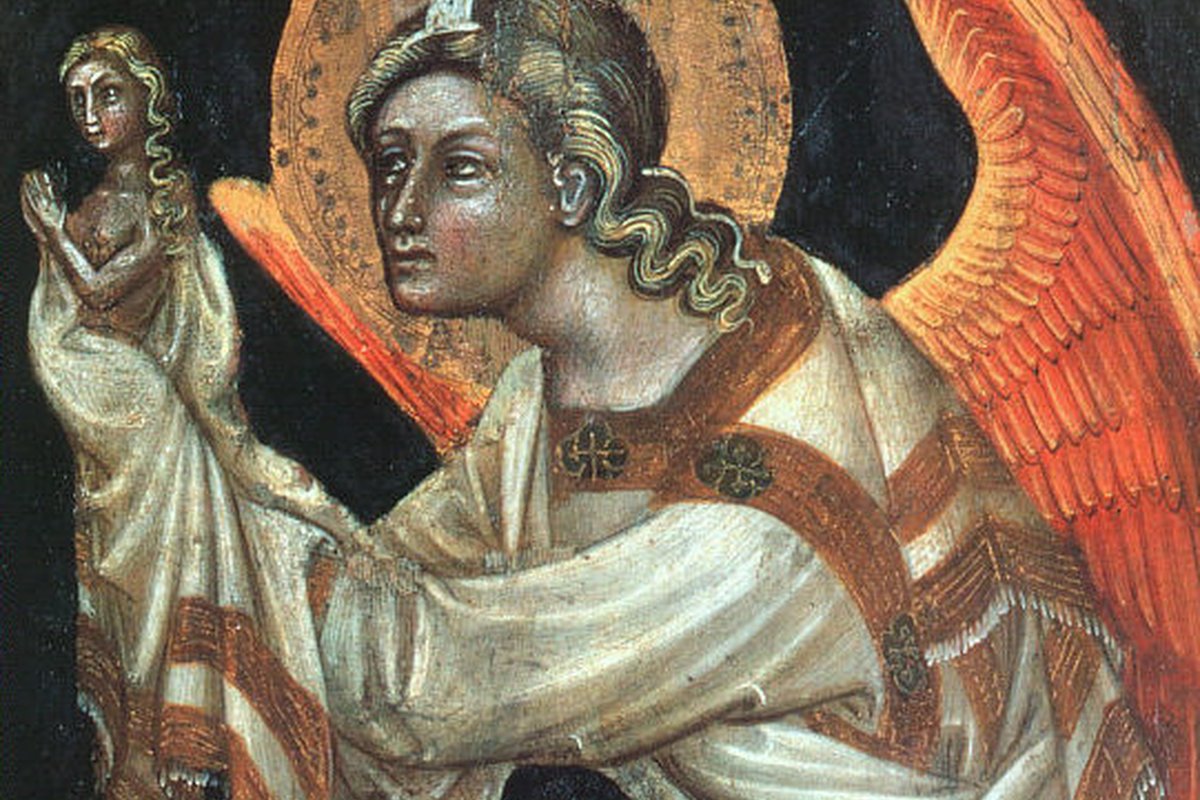
The Virtues
Why the Virtues' name literally means "powers" in Greek — the root behind "dynamite" — and why tradition ties this angelic rank to miracles in nature.
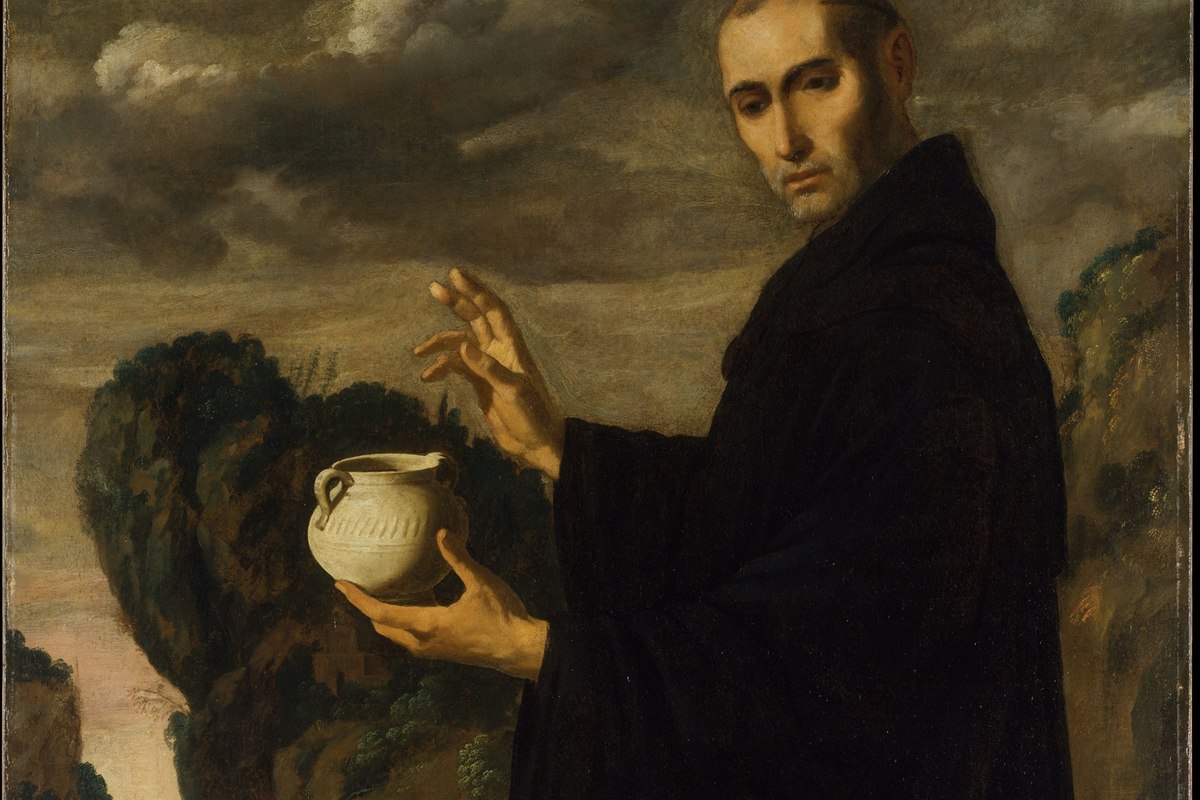
Founders of Catholic Religious Orders — A Directory
From Benedict's monastery at Monte Cassino to Mother Teresa's Missionaries of Charity, a directory of the saints who founded orders covered on this blog.
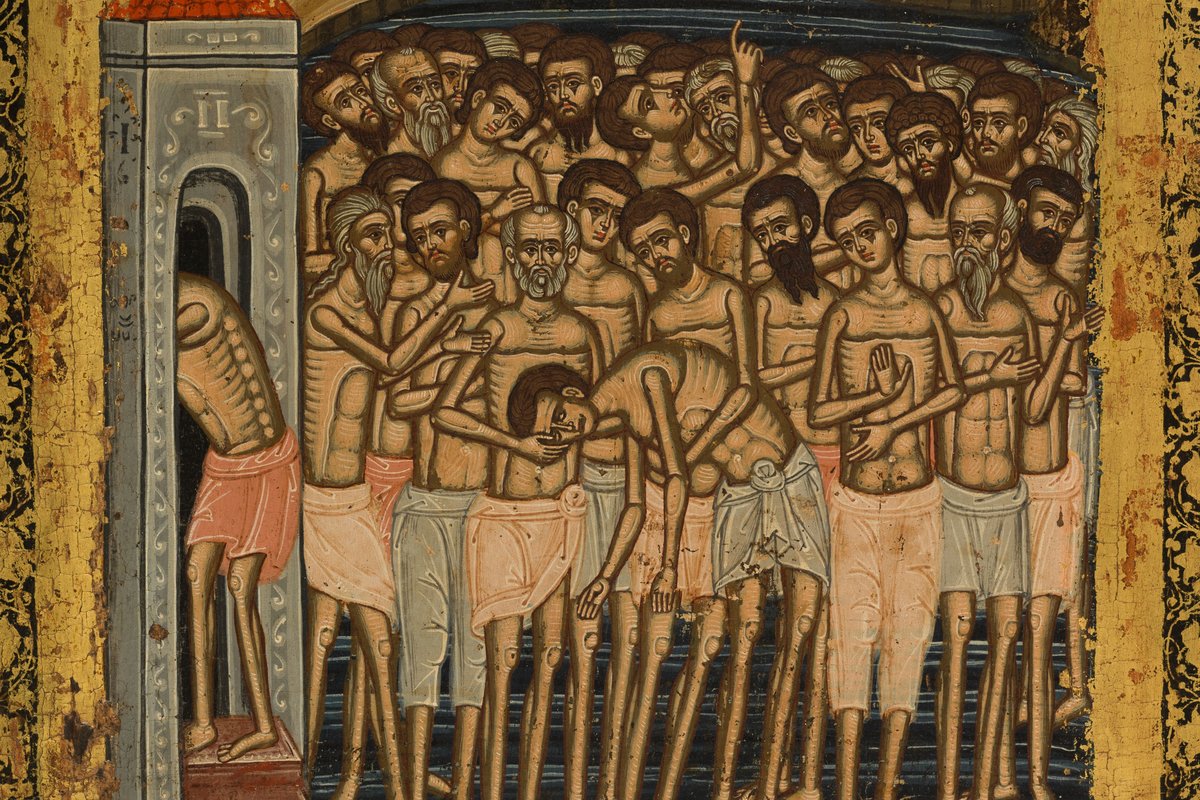
Groups of Christian Martyrs — A Directory
From forty soldiers on a frozen lake to eight Jesuit missionaries in New France, a directory of saints martyred together in groups, with real history.
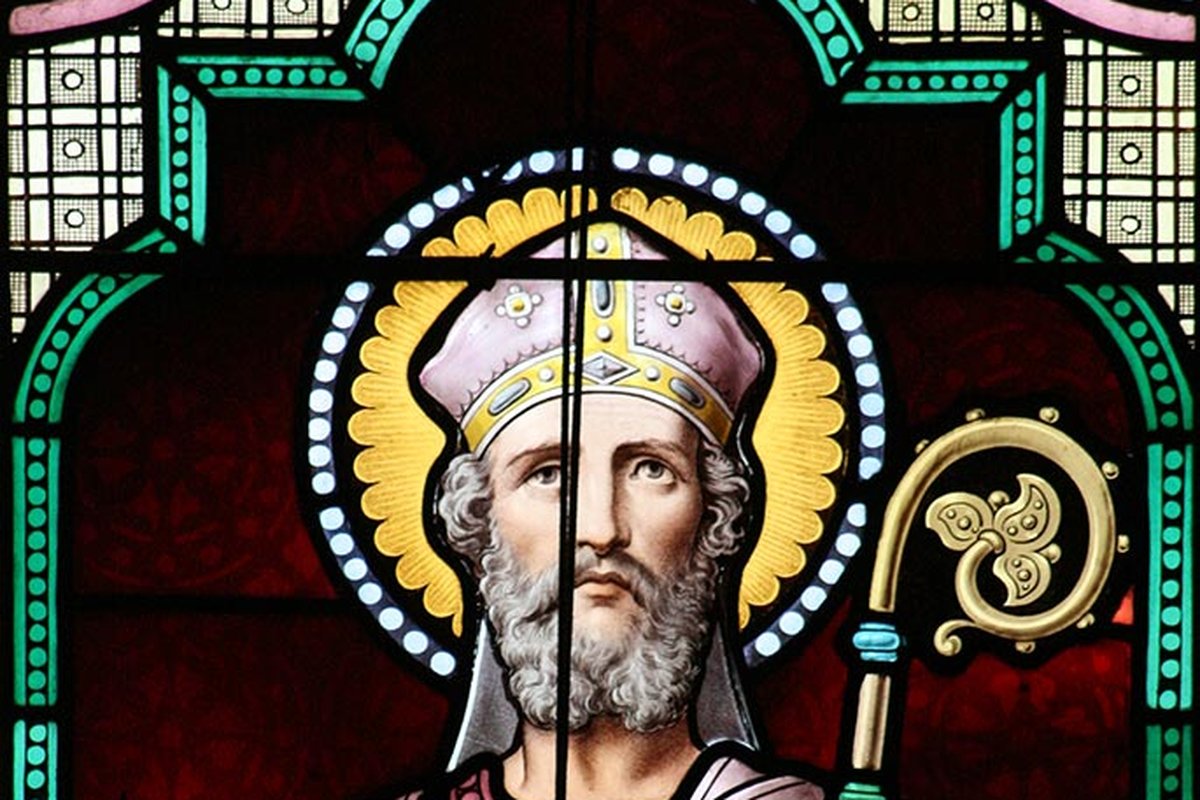
Saint Anselm of Canterbury
An Italian monk became England's archbishop, clashed with two kings over the Church's independence, and tried to prove God's existence with logic alone.