
Blog
Stories of saints, biblical events, angels, and sacred places.
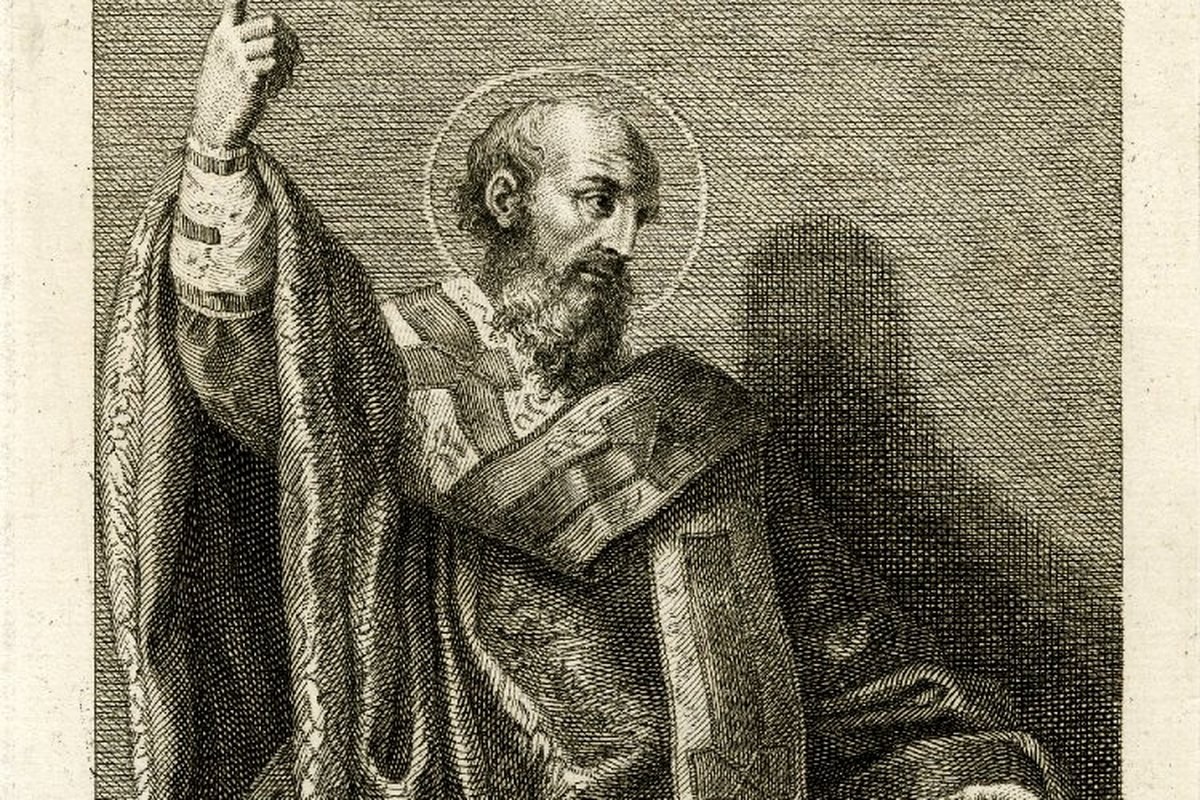
Saint Cyril of Jerusalem
A bishop deposed three times by Arian rivals still found time to write the Church's earliest surviving guide to preparing new Christians for baptism.
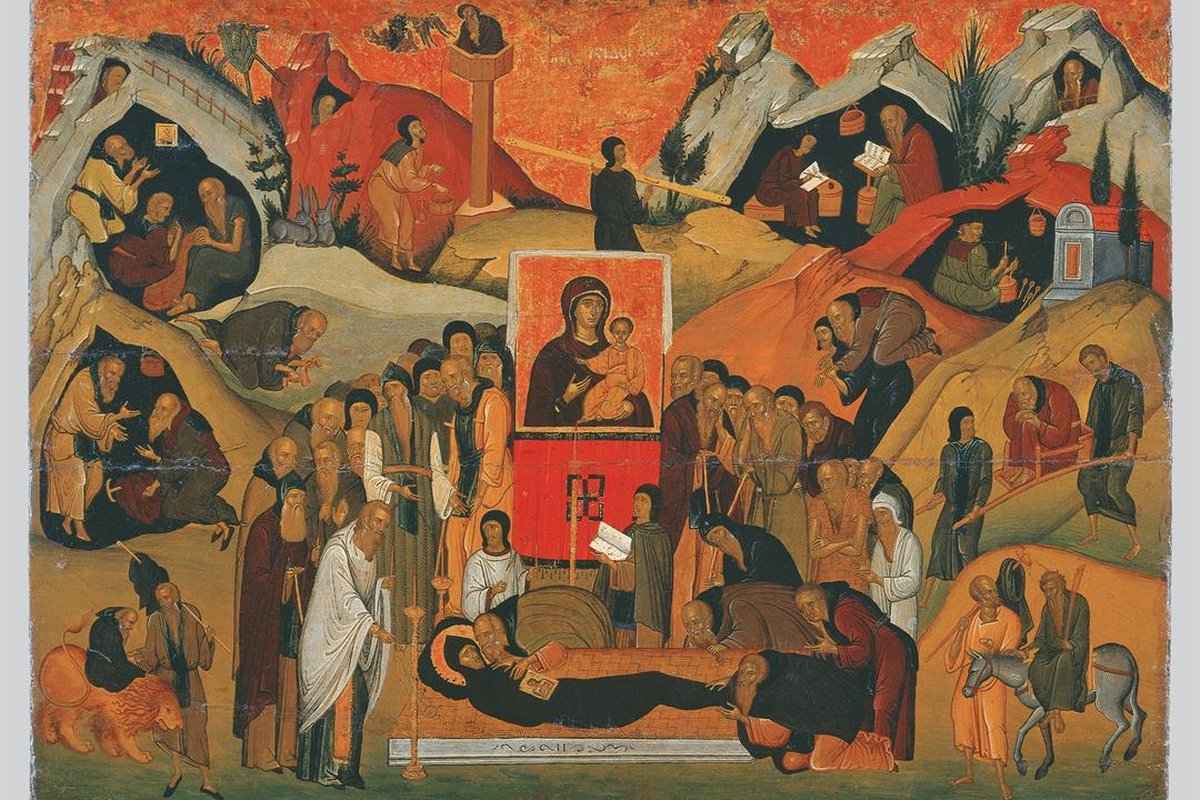
Saint Ephrem the Syrian
A deacon who never sought the priesthood wrote hundreds of hymns so rich and widely sung the Syriac tradition still calls him the Harp of the Holy Spirit.
Saint John Damascene
Writing from a monastery outside imperial reach, this Damascus-born monk built the theological case for icons that later saved them from destruction.
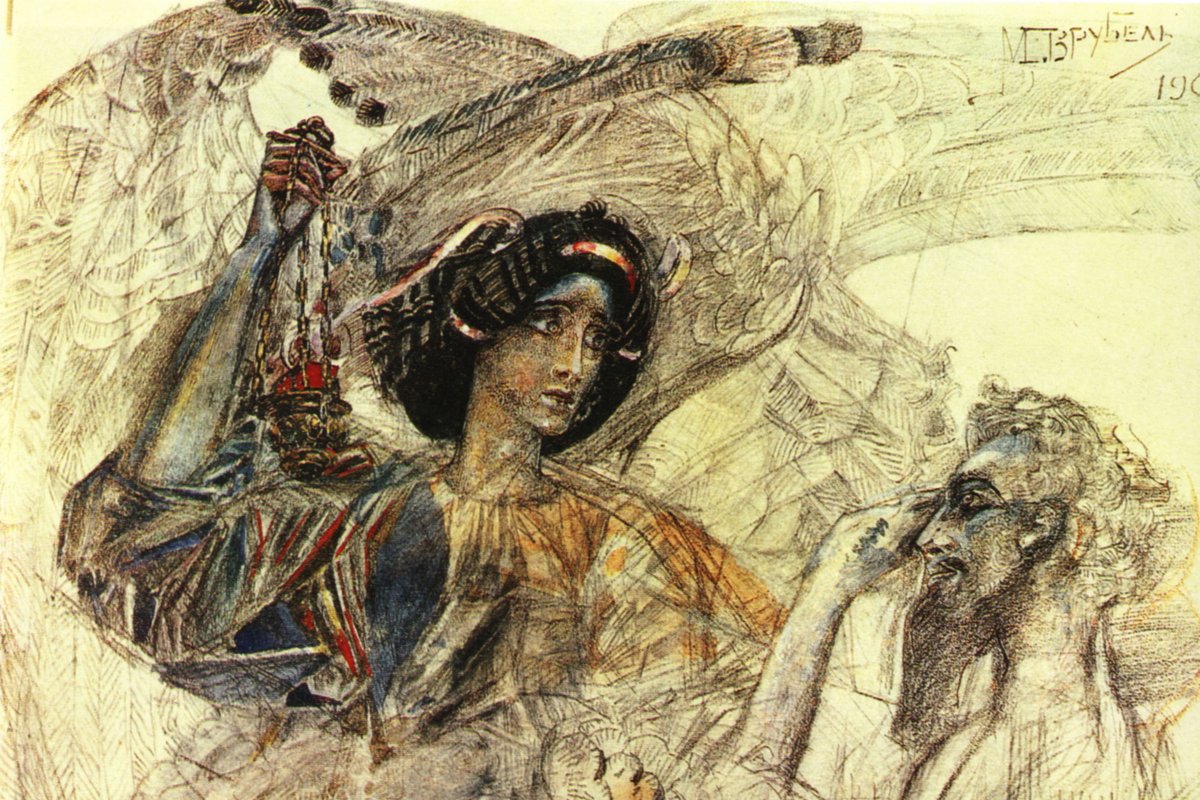
The Seraphim
What the Seraphim are in Scripture and tradition, why Isaiah saw them crying "Holy, holy, holy," and why they rank highest of the nine angelic choirs.
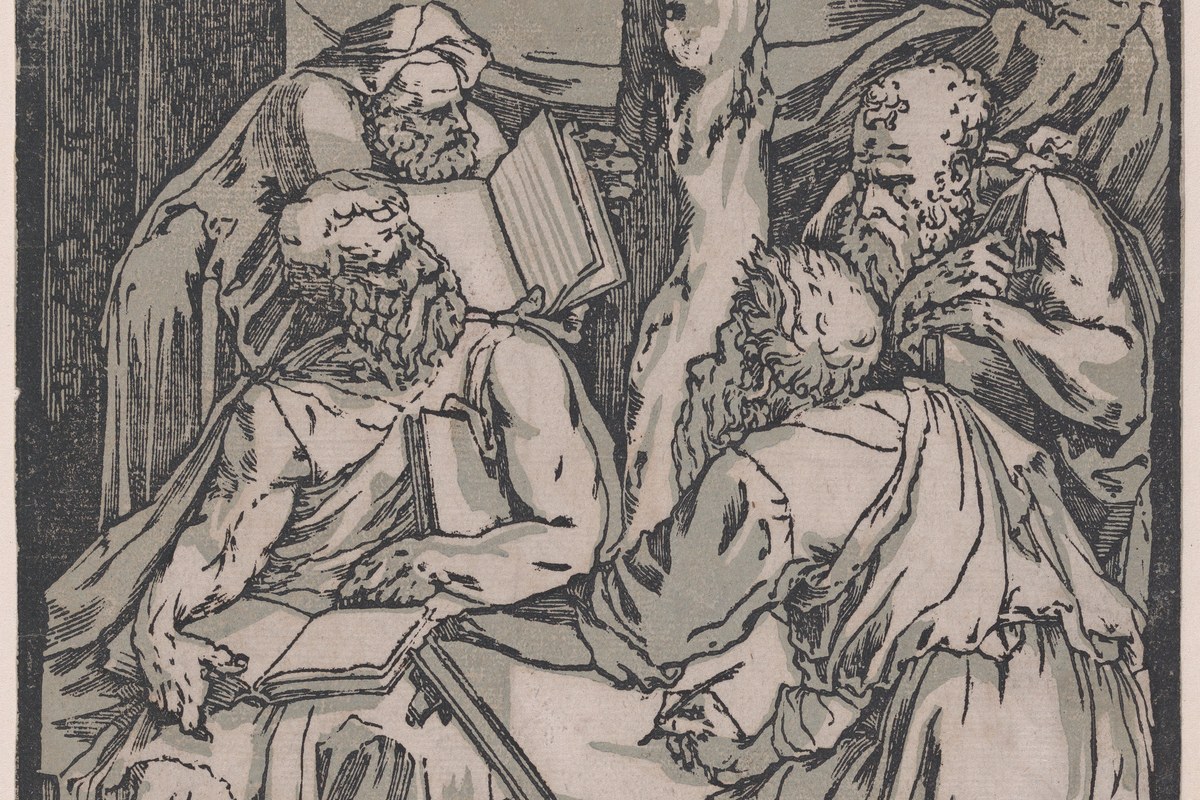
Doctors of the Church — The Full List, and Why Each One Earned the Title
A directory of the 37 Doctors of the Church, the rare title for saints whose writing shaped Catholic doctrine, linking to each one covered on this blog.
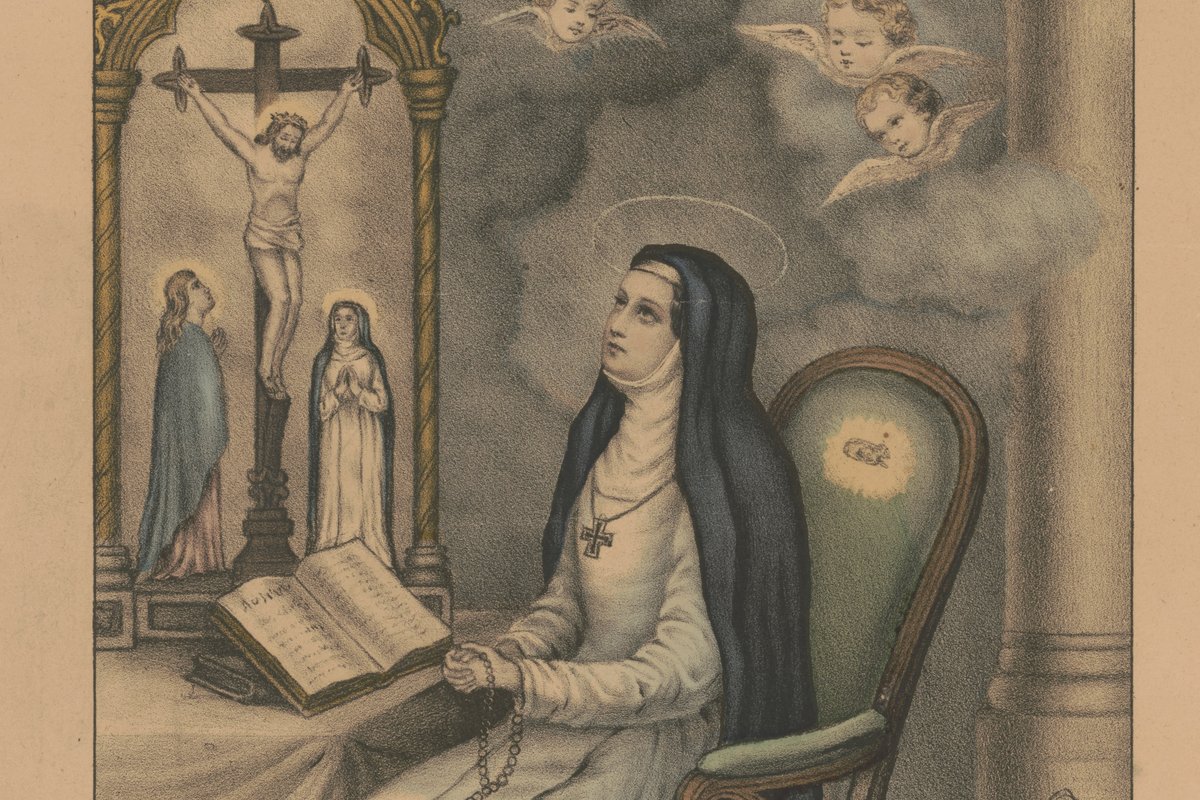
Saint Bridget of Sweden
A Swedish noblewoman raised eight children, buried her husband, then moved to Rome to found an order and spend her final decades badgering popes to come home.
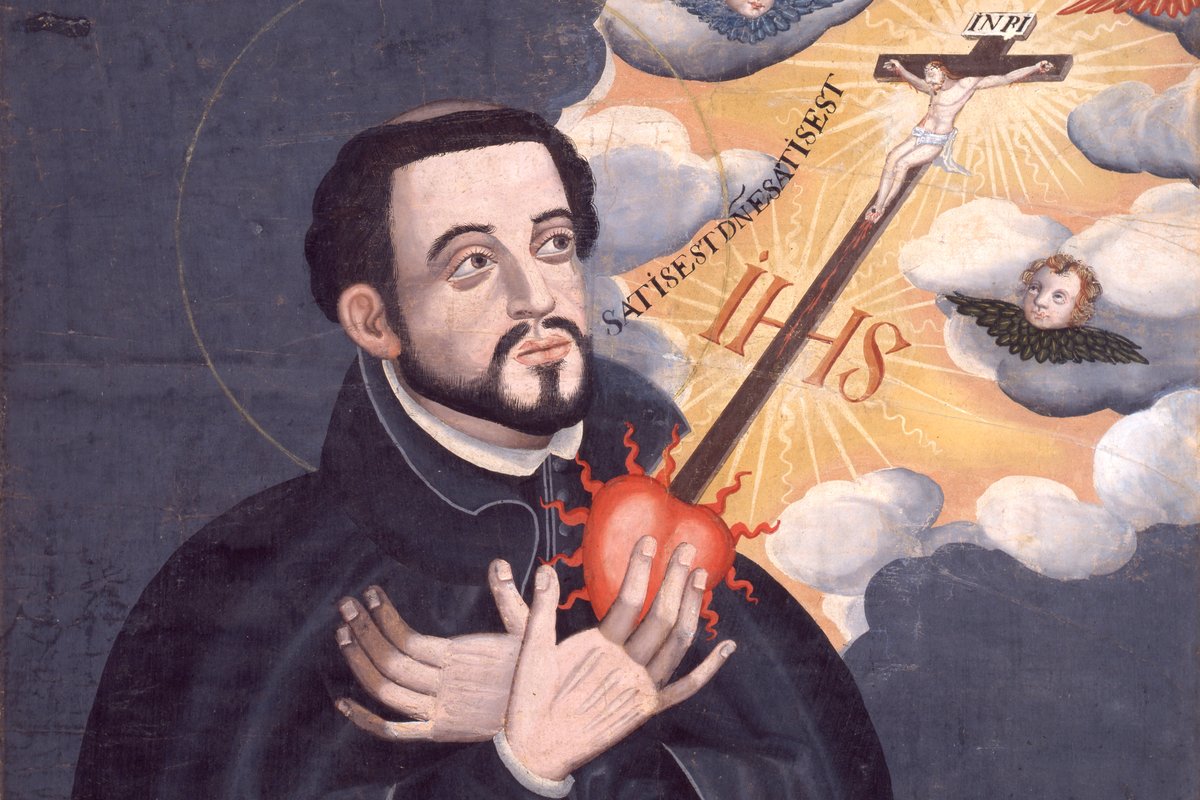
Saint Francis Xavier
A Basque nobleman gave up a promising career in Paris to spend a decade evangelizing India, the Malay Archipelago, and Japan for the newborn Jesuit order.
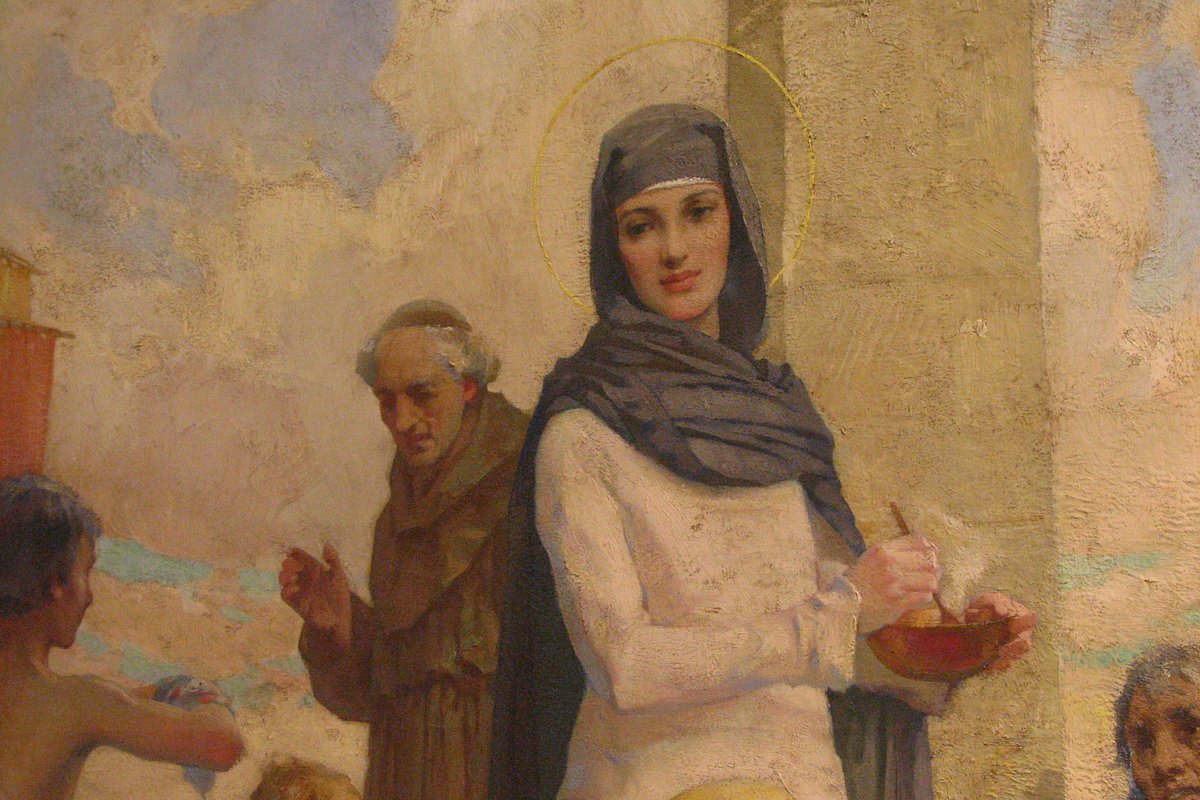
Saint Hilda of Whitby
An abbess who personally favored Celtic customs hosted the 664 synod that decided England would follow Rome instead — then enforced that ruling in her own house.
Saint Juliana of Liège
At sixteen, a cloistered nun began seeing a moon marked with a dark stripe. She kept it private for twenty years before it became the feast of Corpus Christi.
Saint Macrina the Elder
A grandmother survived Diocletian's persecution hiding seven years in the wilderness, then taught her grandsons the faith — two became giants of Christian theology.
Saint Macrina the Younger
At twelve, her fiancé died before their wedding. She called herself already married — then spent her deathbed dictating philosophy to Gregory of Nyssa.
Saint Margaret Mary Alacoque
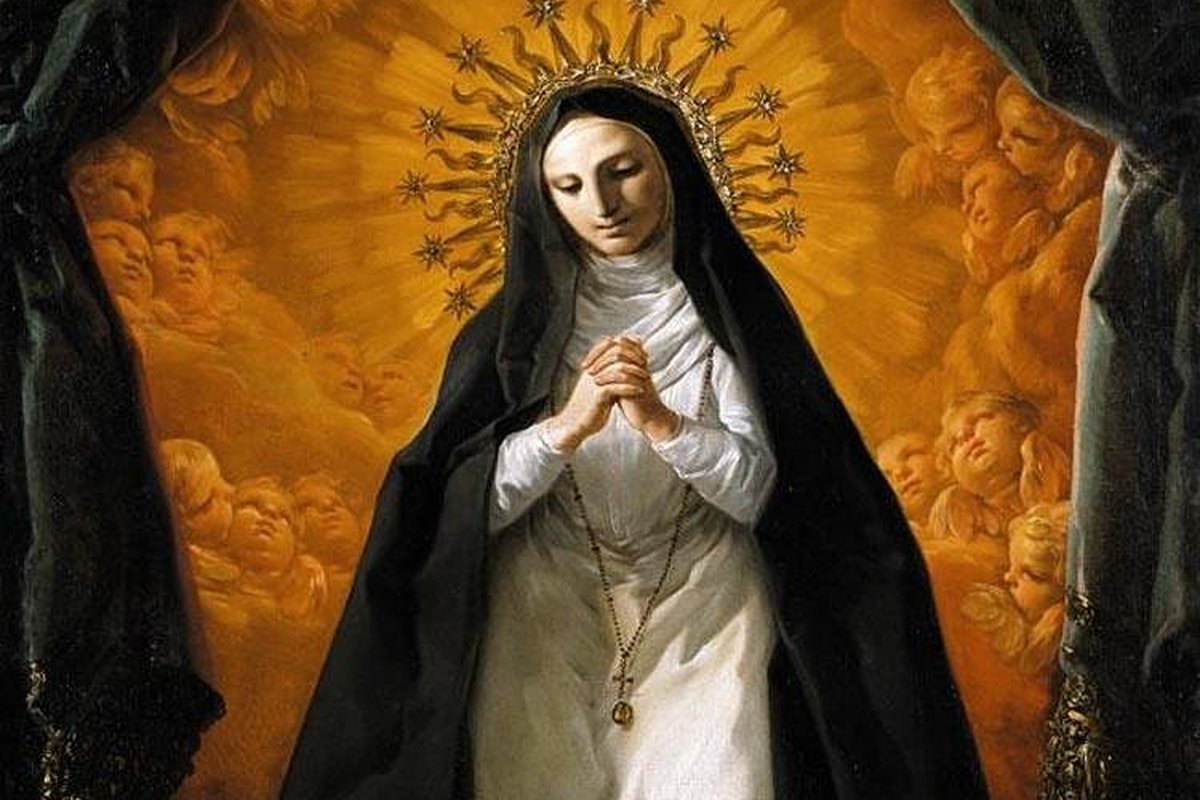
An obscure French nun reported that Christ showed her his own wounded heart in prayer. That private vision became the Sacred Heart devotion millions know today.
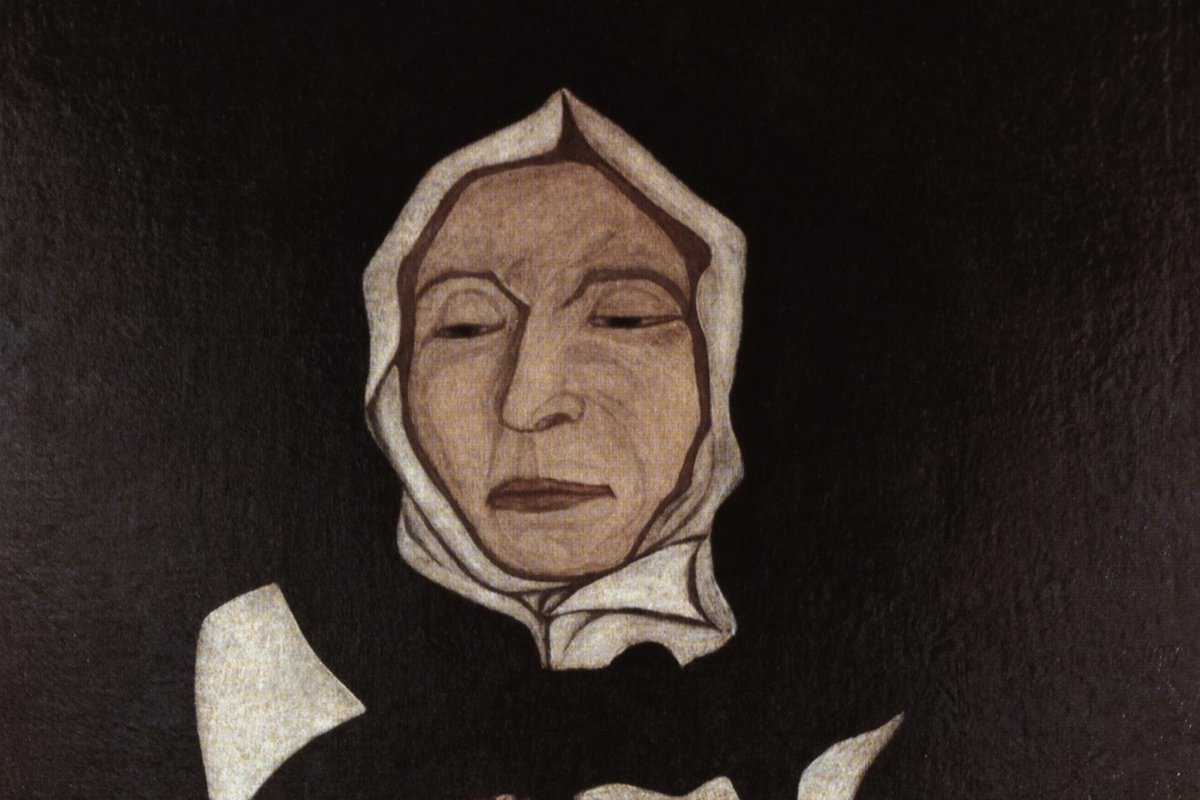
Saint Marguerite Bourgeoys
She crossed the Atlantic to a frontier fort and built a teaching order of unwalled, unveiled sisters — becoming the first female Canadian Catholic saint.
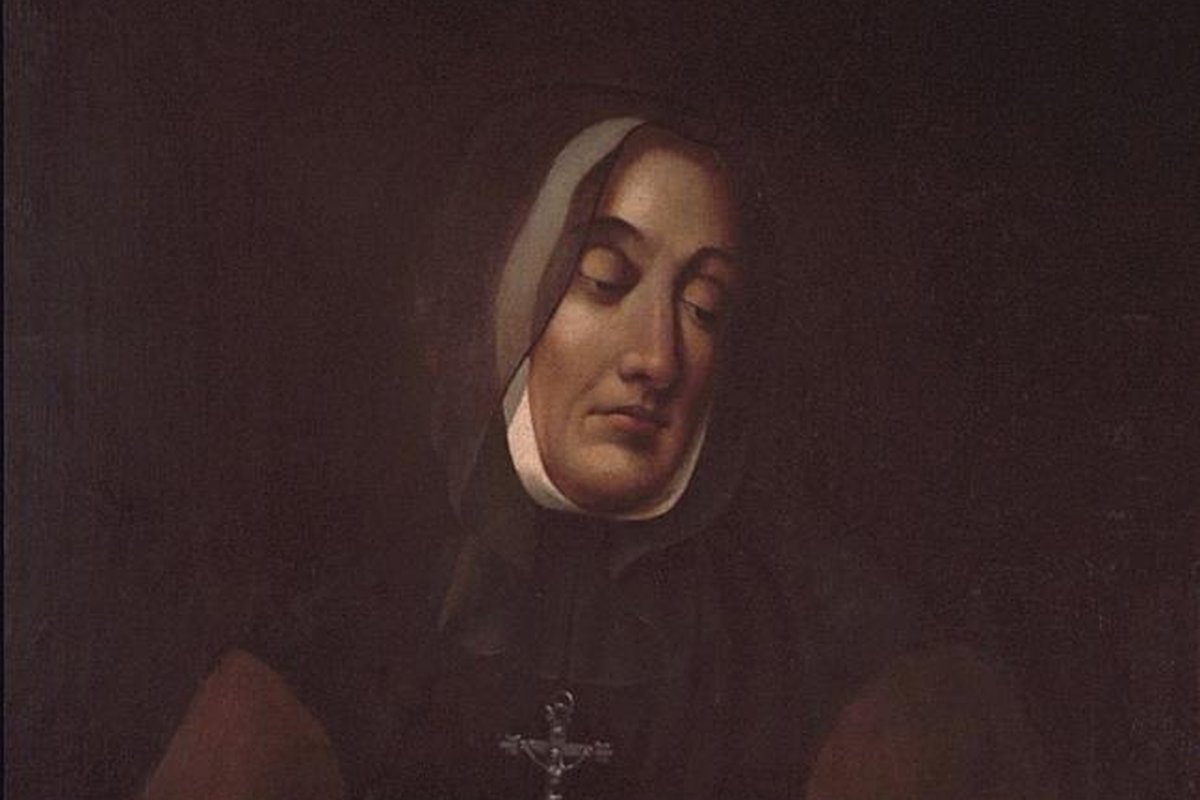
Saint Marguerite d'Youville
Widowed at 29 with crushing debt, she opened her door to Montreal's poorest. Neighbors mocked her with an insulting nickname — the Grey Nuns kept it forever.
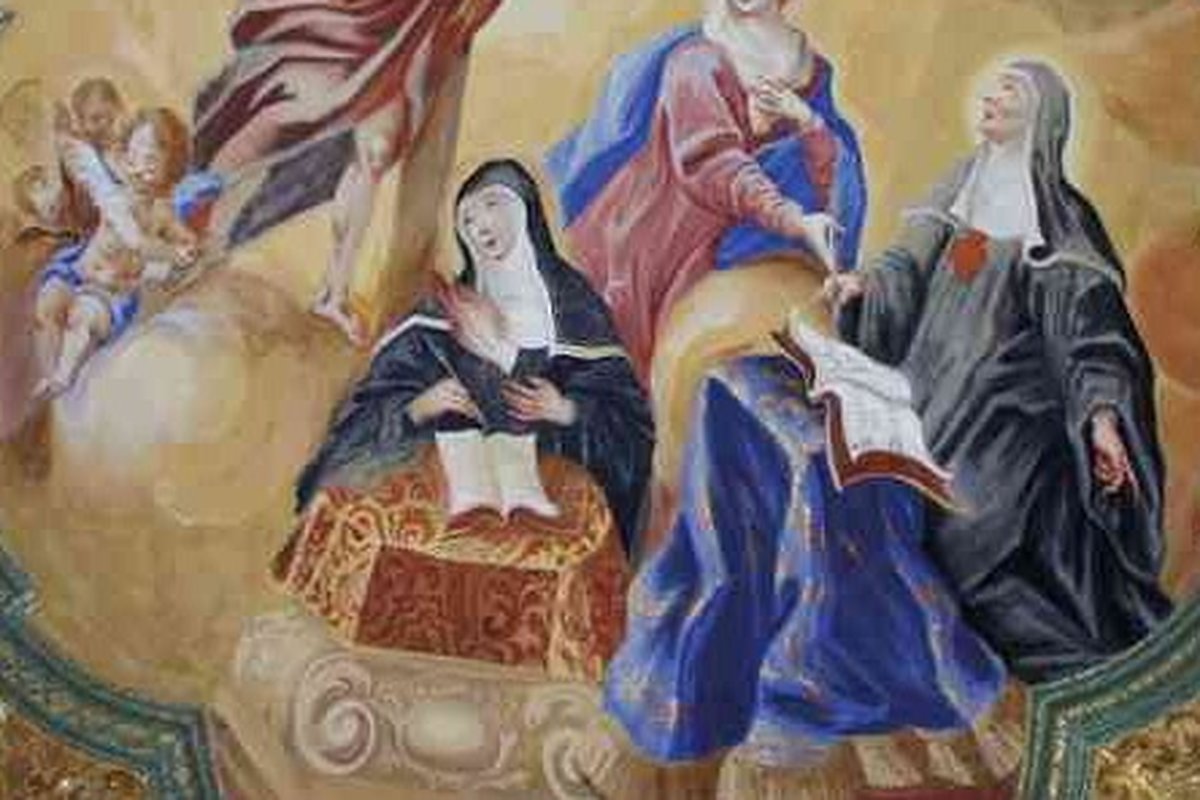
Saint Mechtild of Hackeborn
For years, two fellow nuns secretly wrote down everything she said about her visions. When she found out, she reported being distressed, not flattered.
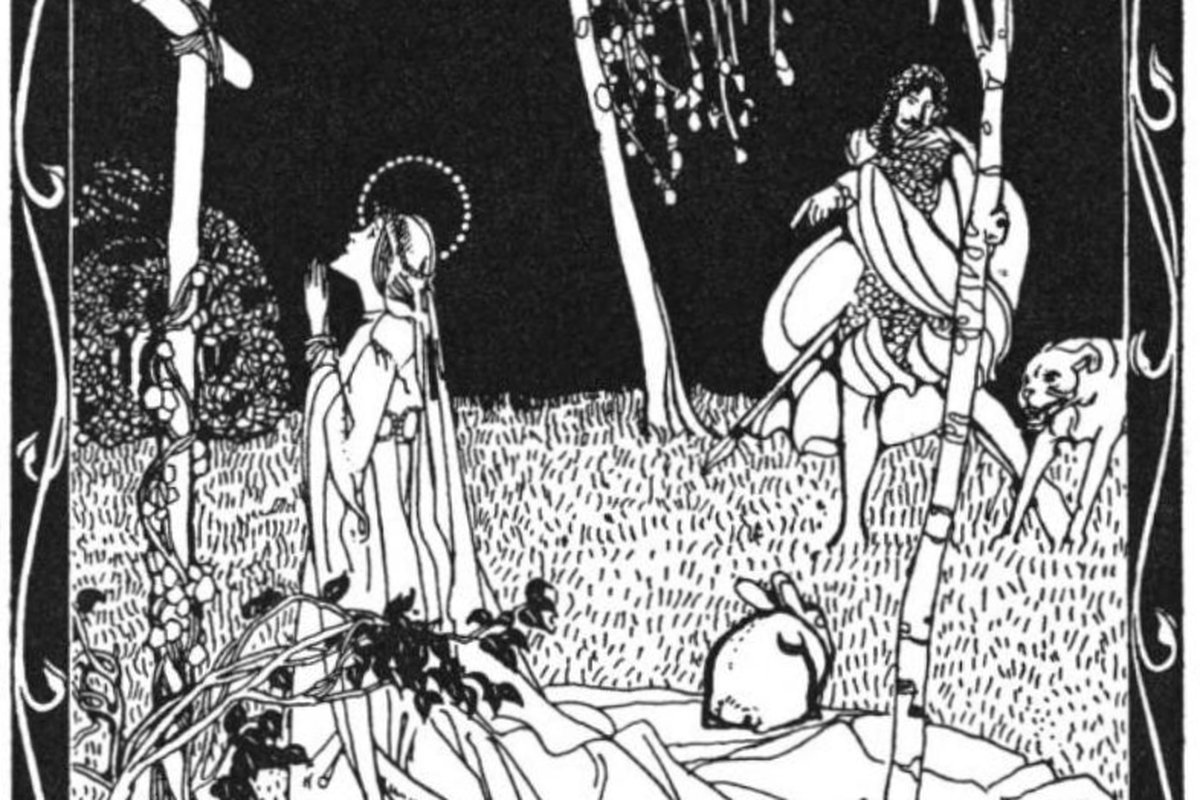
Saint Melangell
A prince chasing a hare found it sheltering in a hermit's cloak — and gave her the whole valley. The tale is charming; it's also almost entirely unverifiable.
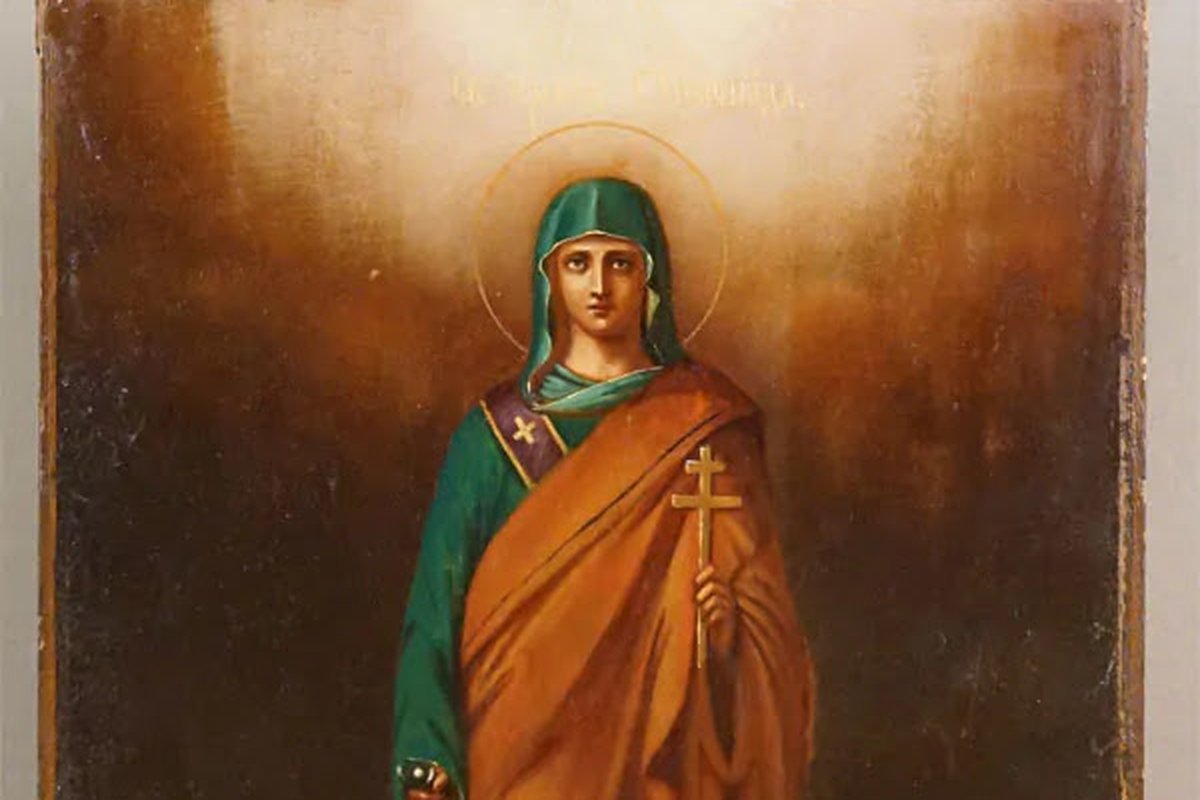
Saint Olympias of Constantinople
She inherited one of the largest fortunes in the Eastern Roman Empire, gave nearly all of it away, and was exiled for refusing to abandon John Chrysostom.
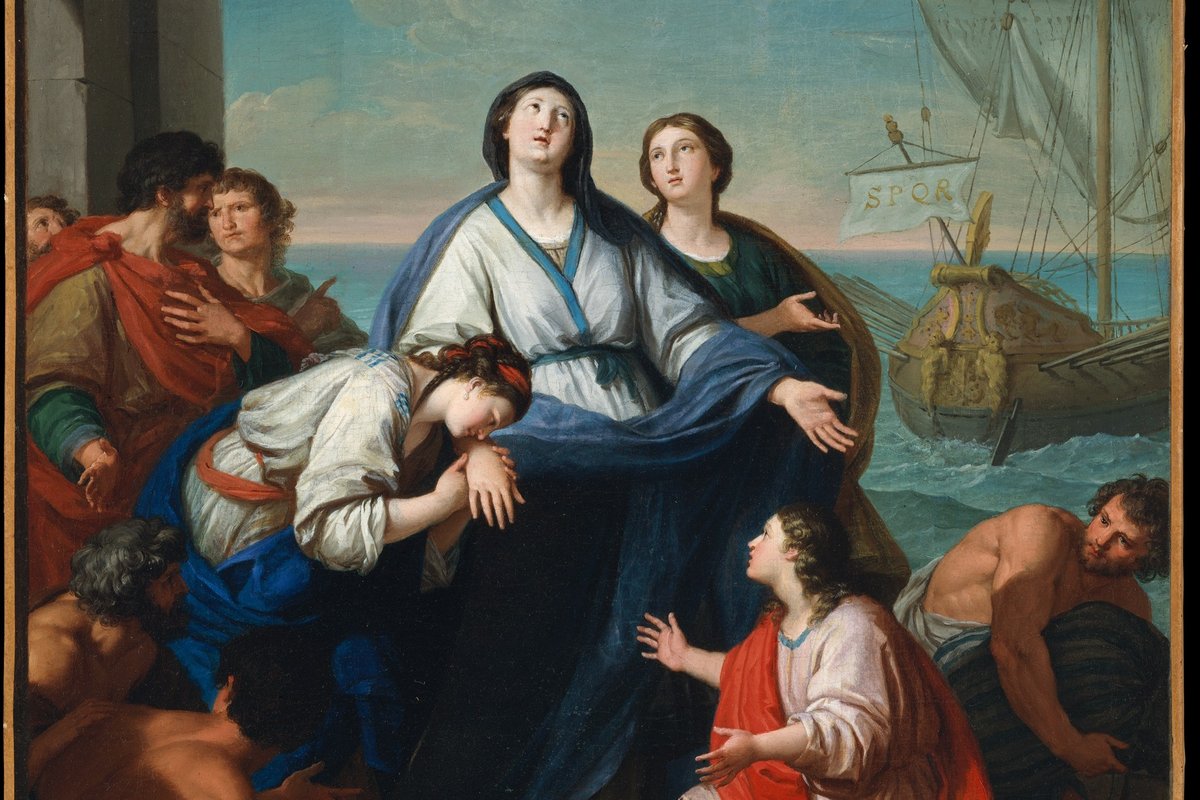
Saint Paula of Rome
A Roman senator's daughter left the Aventine Hill for a cave town in Judea, funding the priest she had recruited there to translate the Bible into Latin.
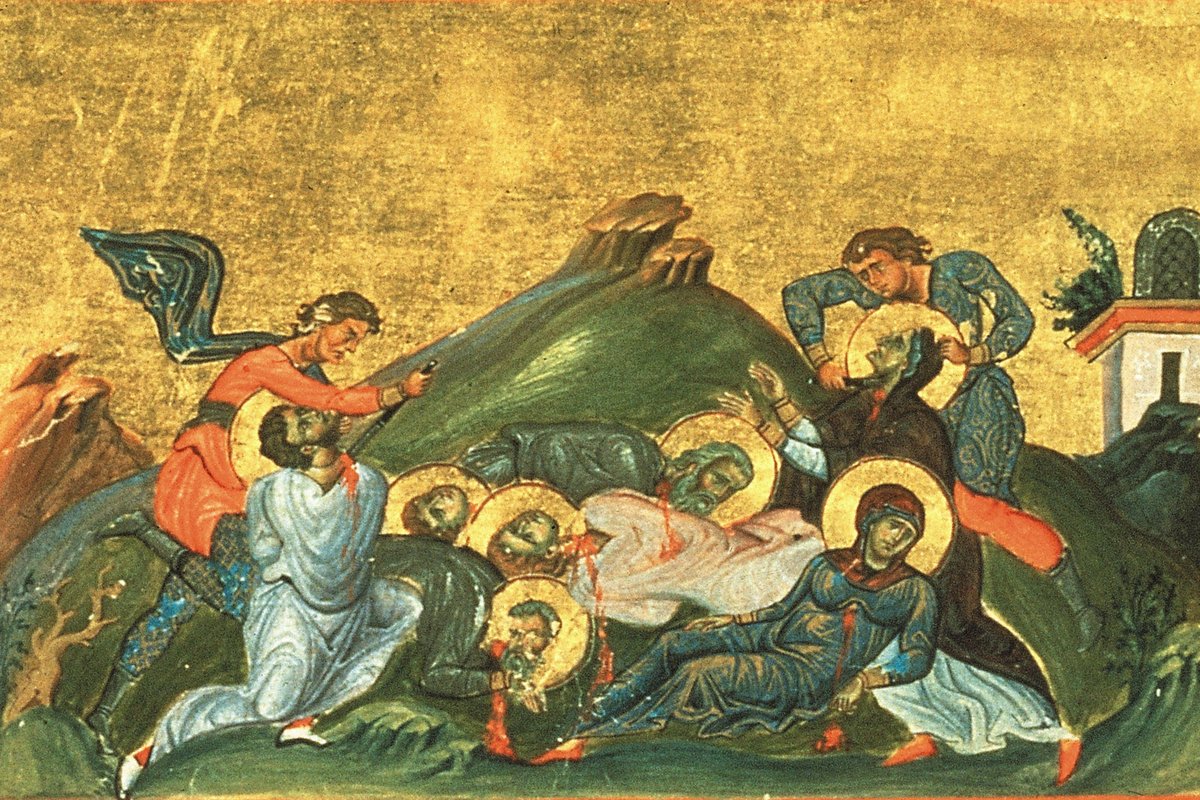
Saints Perpetua and Felicity
A 22-year-old noblewoman kept a prison diary before her 203 AD execution, and it survives — among the earliest surviving writing by a Christian woman.
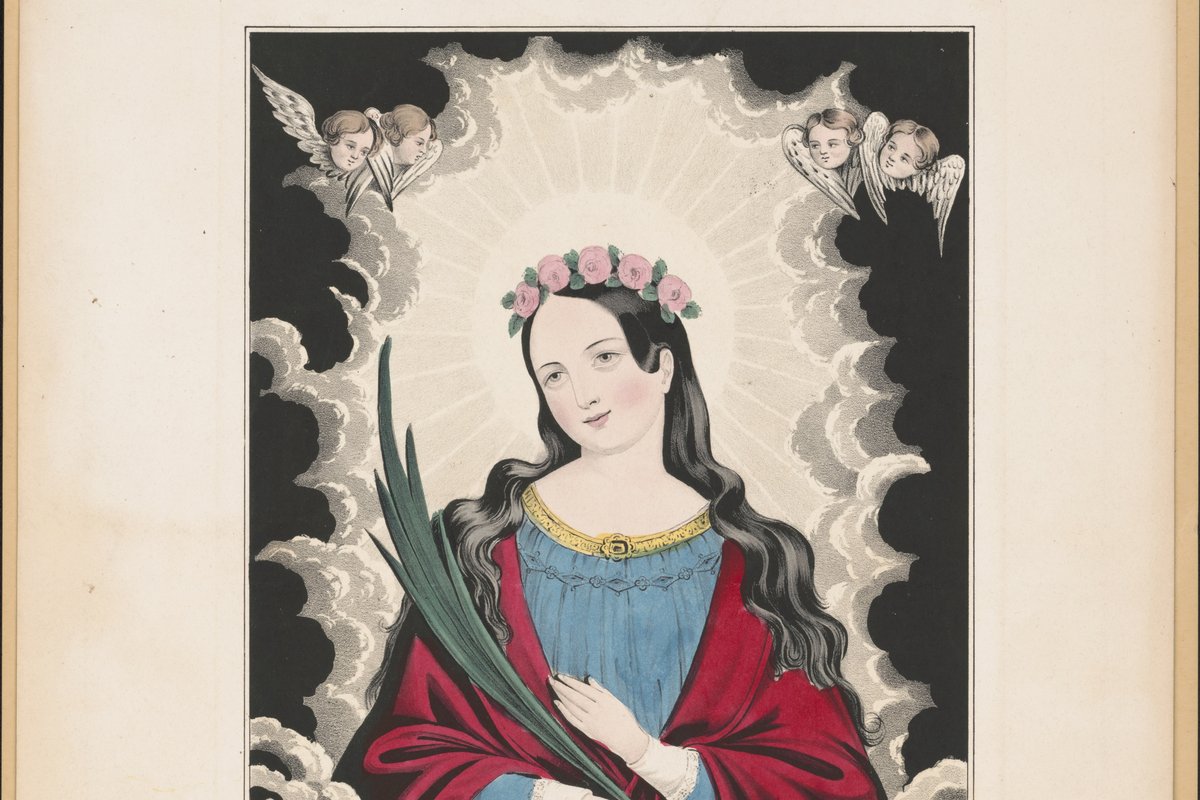
Saint Philomena
In 1802, workers found a sealed Roman tomb with broken tiles spelling a name — her entire life story came decades later, from one nun's reported visions.